Top 10 Common Mistakes With Backcountry Skiing From Our Rides
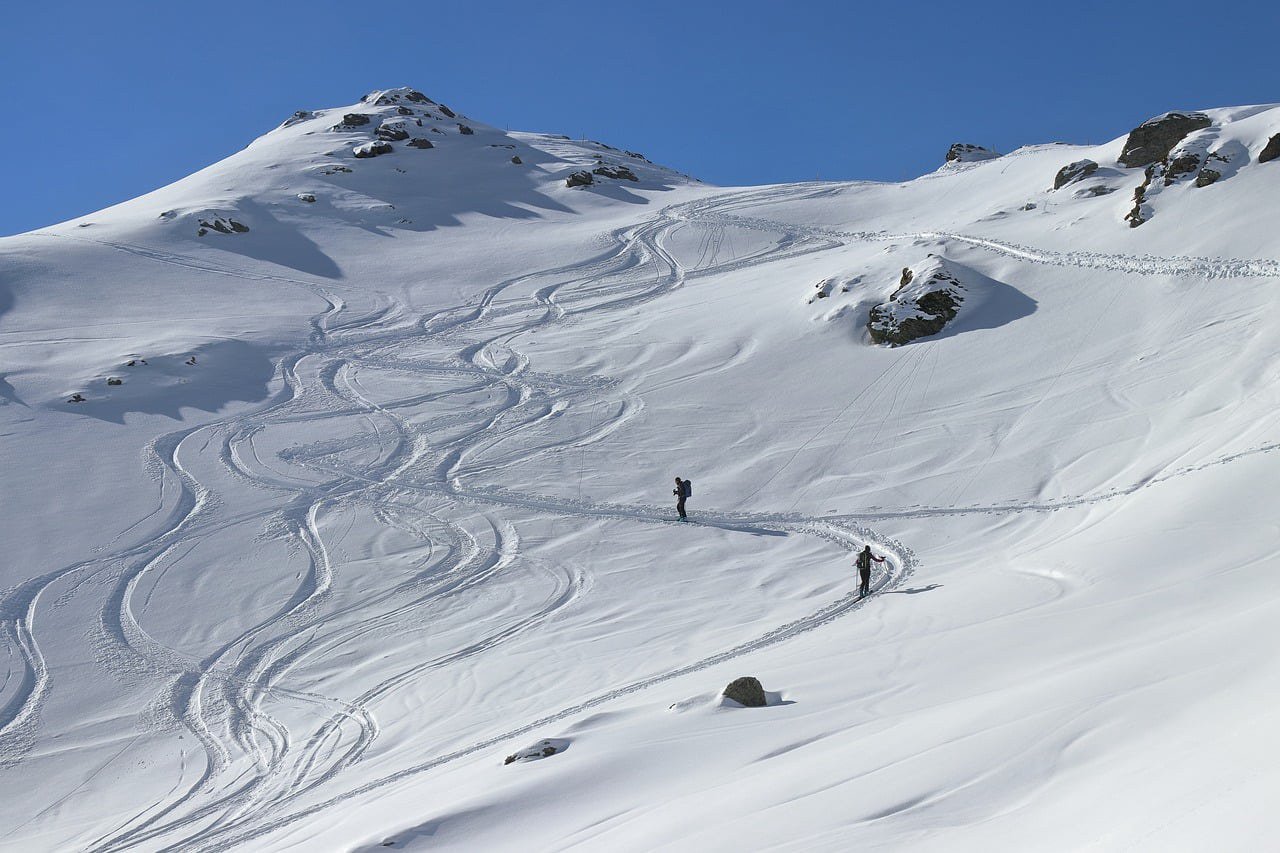
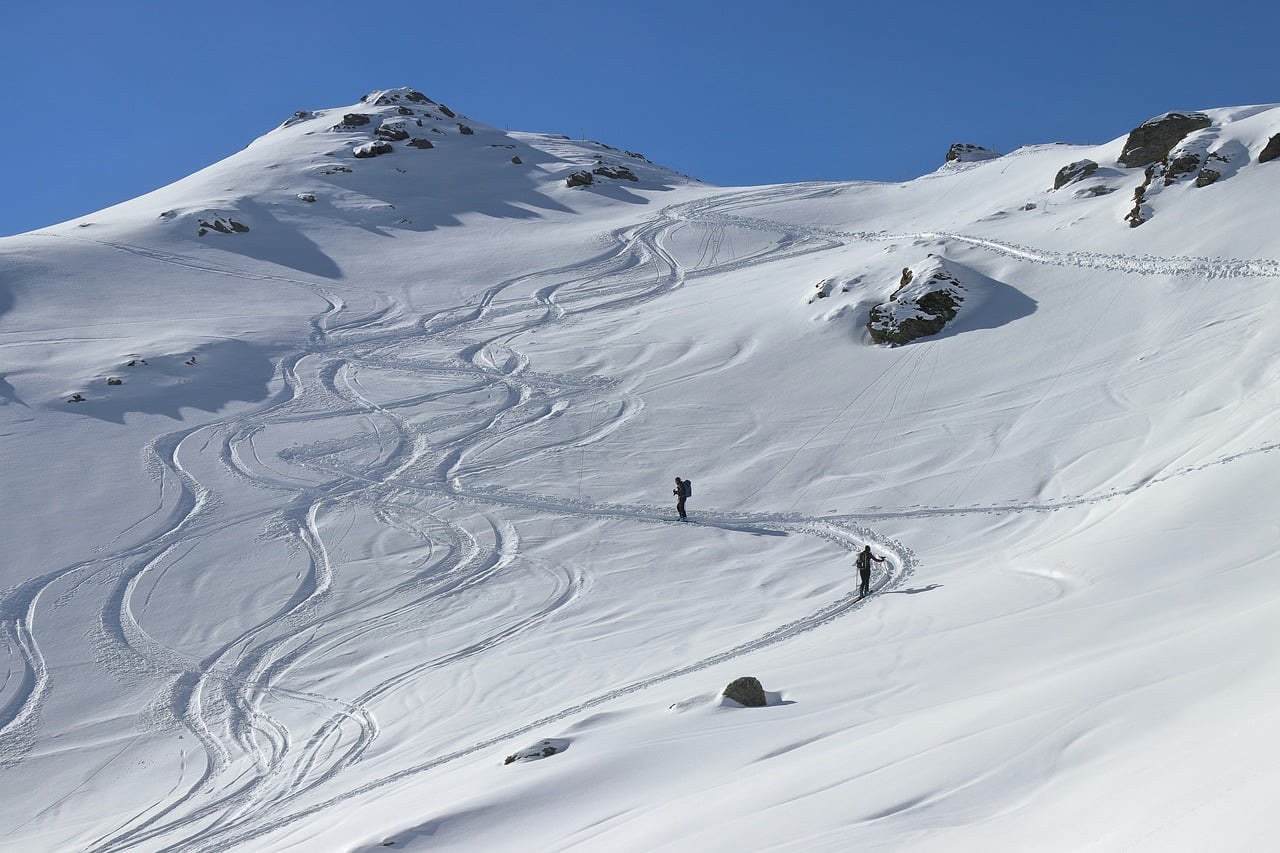
Here are the top 10 common mistakes with backcountry skiing we’ve seen over many seasons on real mountains. Most riders who get into trouble in the backcountry don’t get caught out because the mountain turned on them. They get caught out because they planned too little, or planned the wrong things. Our crew has watched these same errors come up again and again, and some can cost you far more than a bad afternoon on the snow.
How We Ranked These Mistakes
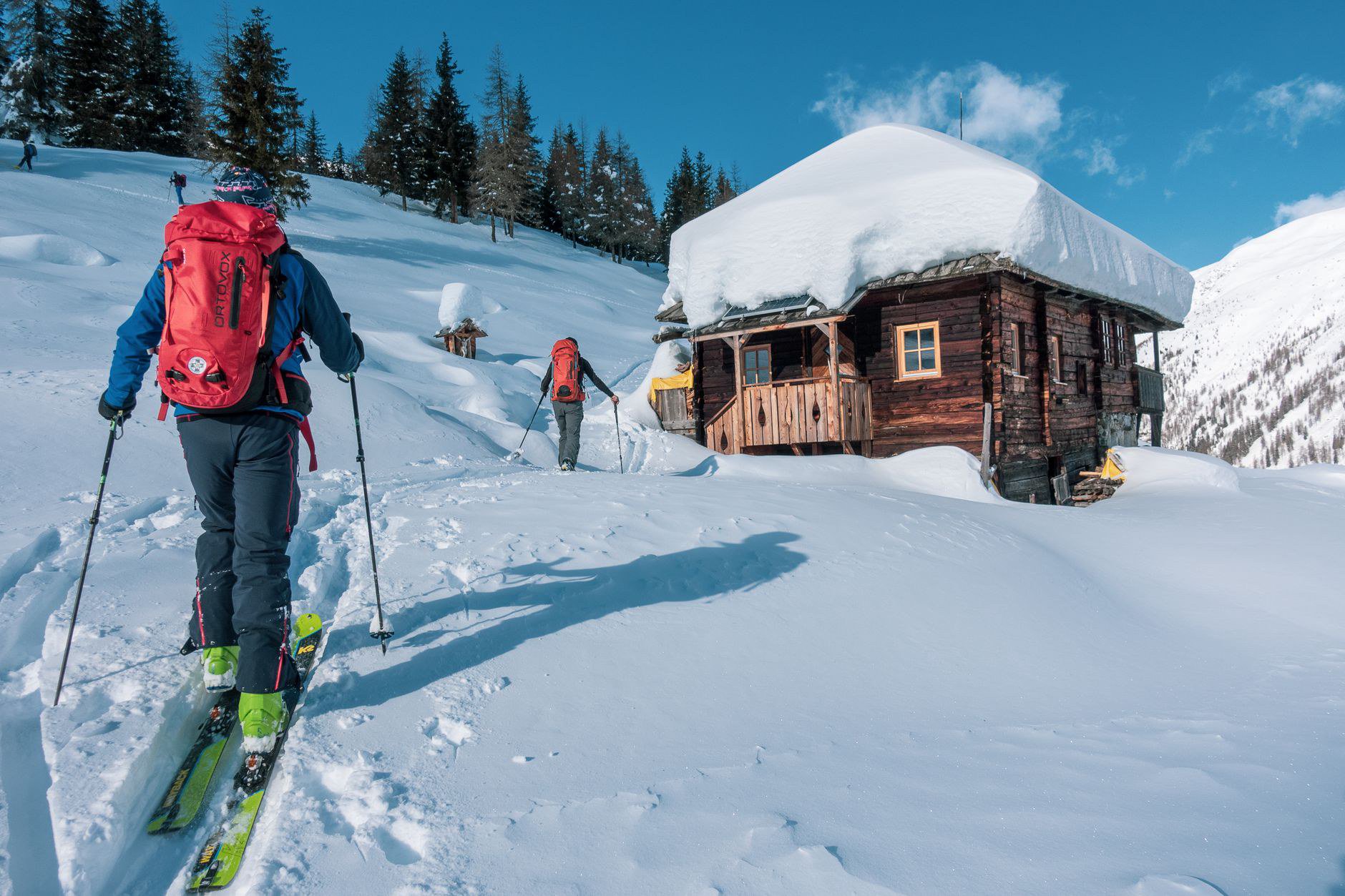
We didn’t pick this list at random. Every mistake was weighed on three things: how often newer riders make it, how badly it can end, and how hard it is to avoid. Anything that can seriously hurt or kill someone goes near the top, even if it isn’t the most frequent slip.
We also tried to be honest about who gets hit hardest. Some errors mostly catch people in their first season. Others show up with riders who have a few winters behind them and have started to feel too confident off-piste. Solo riders and small groups run into a different set, mostly around partner planning and knowing when to bail.
One caveat we always give: snow changes a lot from range to range and from one week to the next. What follows is a set of principles, not a forecast. Check current conditions on the day before you commit to any line.
Mistake 1: Skipping Avalanche Safety Training
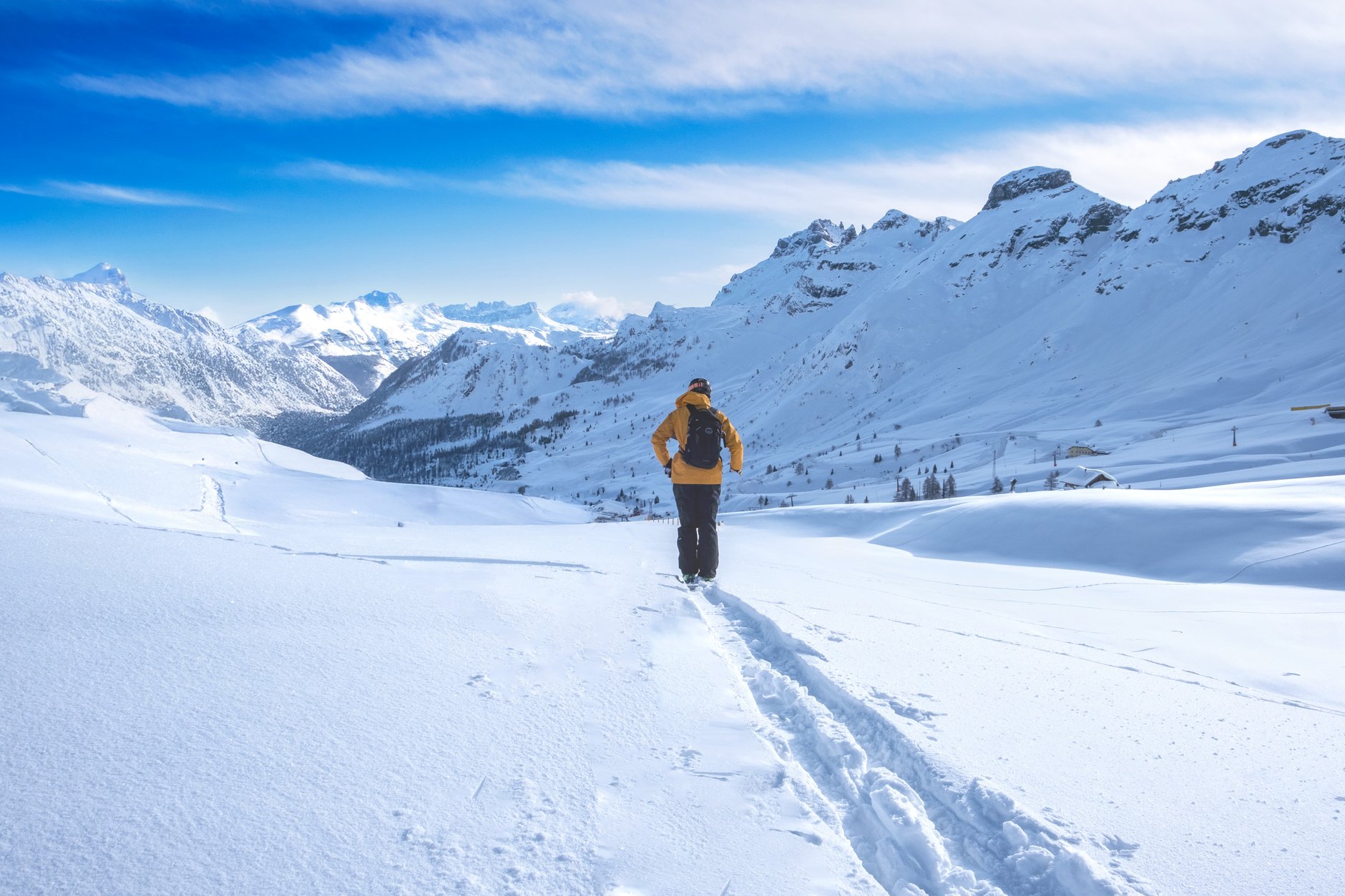
This is the big one. Avalanches are the main hazard in the backcountry, and plenty of strong skiers assume their skill will get them out of trouble. It won’t. A slab releases when a weak layer buried beneath it fails, and that layer is usually invisible from the surface. Good technique doesn’t tell you what’s underneath.
Take a recognized avalanche course before your first real tour. Carry a beacon, a probe, and a shovel, and actually practice with them. Those three tools do nothing if you’ve never rehearsed finding a buried partner under pressure. Run the drills several times in a safe zone before you head out on anything serious.
Mistake 2: Ignoring the Daily Avalanche Forecast
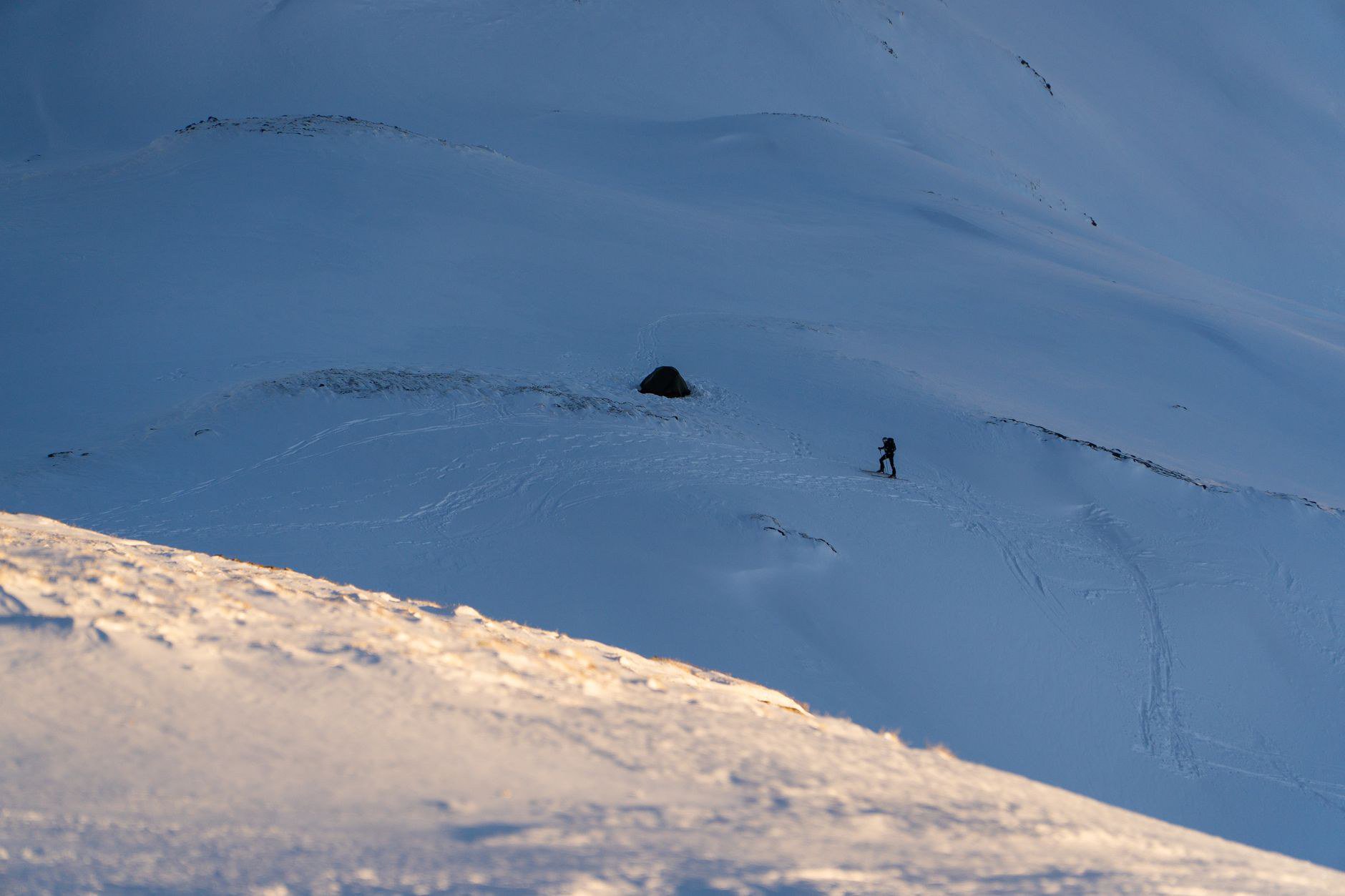
Many people glance at the avalanche bulletin once, nod, and move on. We’ve made that mistake ourselves. Read it on the morning you ride, not the night before, because wind and temperature can reshape the snowpack in hours.
Pay attention to the danger rating and to which aspects and elevations are flagged. The bulletin covers a broad area, so the slope you’re eyeing may behave very differently. Treat the forecast as context for your decision, never as a guarantee.
Mistake 3: Underestimating Terrain
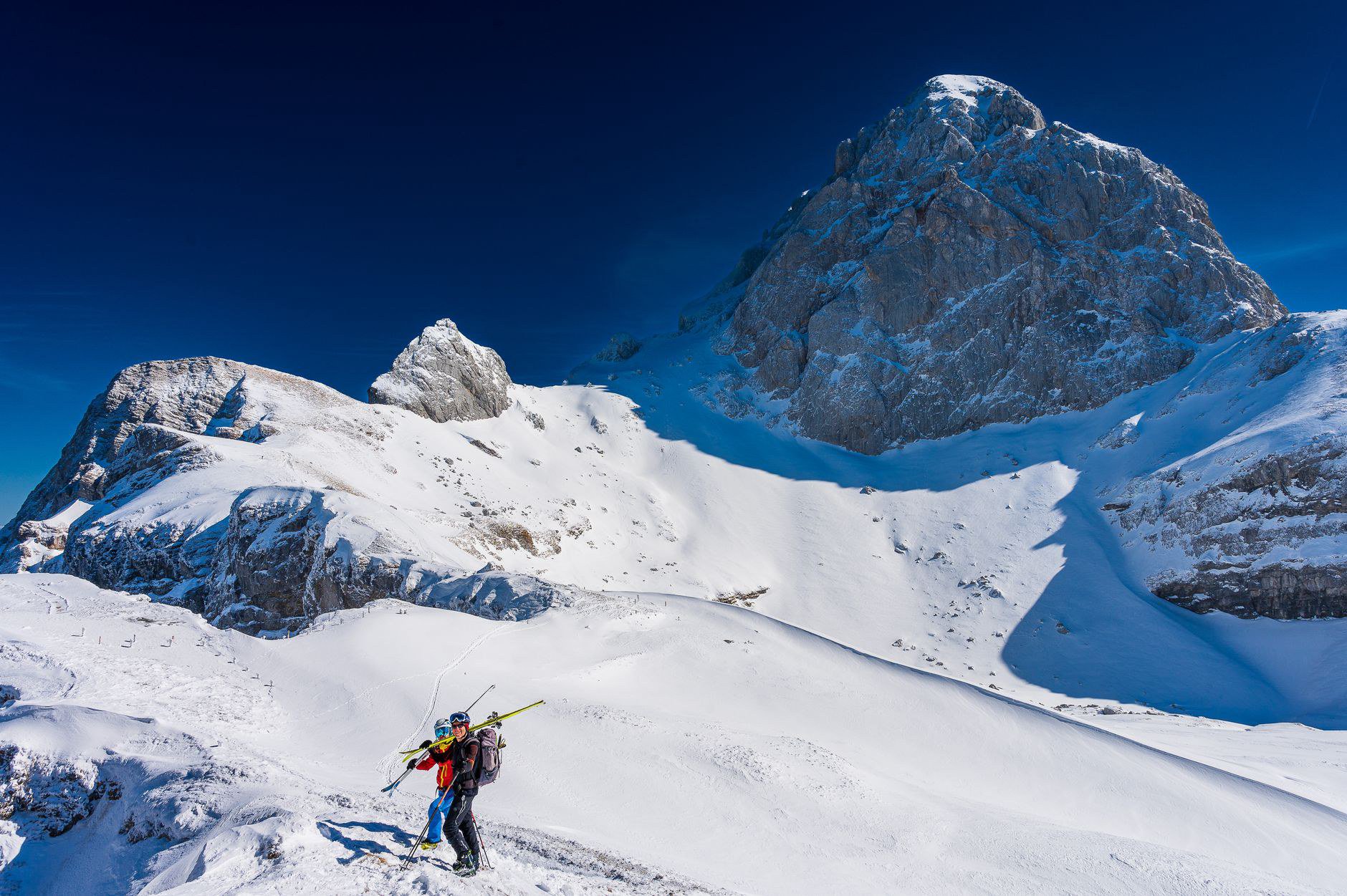
Steep faces, north-facing slopes, and convex rollovers carry far more risk than they appear to. Newer riders get fooled by a line that looks clean and mellow from the bottom, then find the pitch steepens right where they can’t easily stop.
Choose conservative lines and turn around early when the terrain feels unfamiliar. Backing off when you’re unsure is what experienced riders do.
Mistake 4: Going Solo or Without a Partner Plan
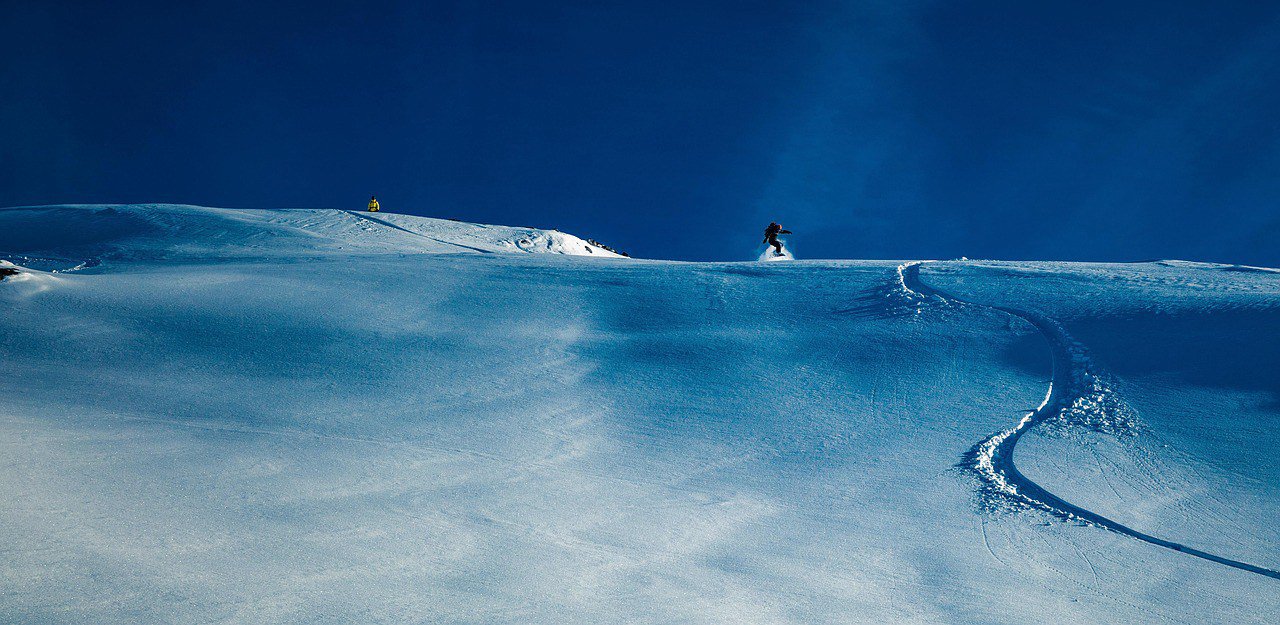
Riding alone removes the one resource that matters most when something goes wrong. Even in a group, if nobody has agreed on a plan, you effectively have no partner at all.
Before you leave the trailhead, agree on the route, the turnaround time, and who you’ll tell back home. Spell out who does what if there’s an incident, so nobody is figuring it out while someone is buried.
Mistake 5: Poor Pacing and Overexertion
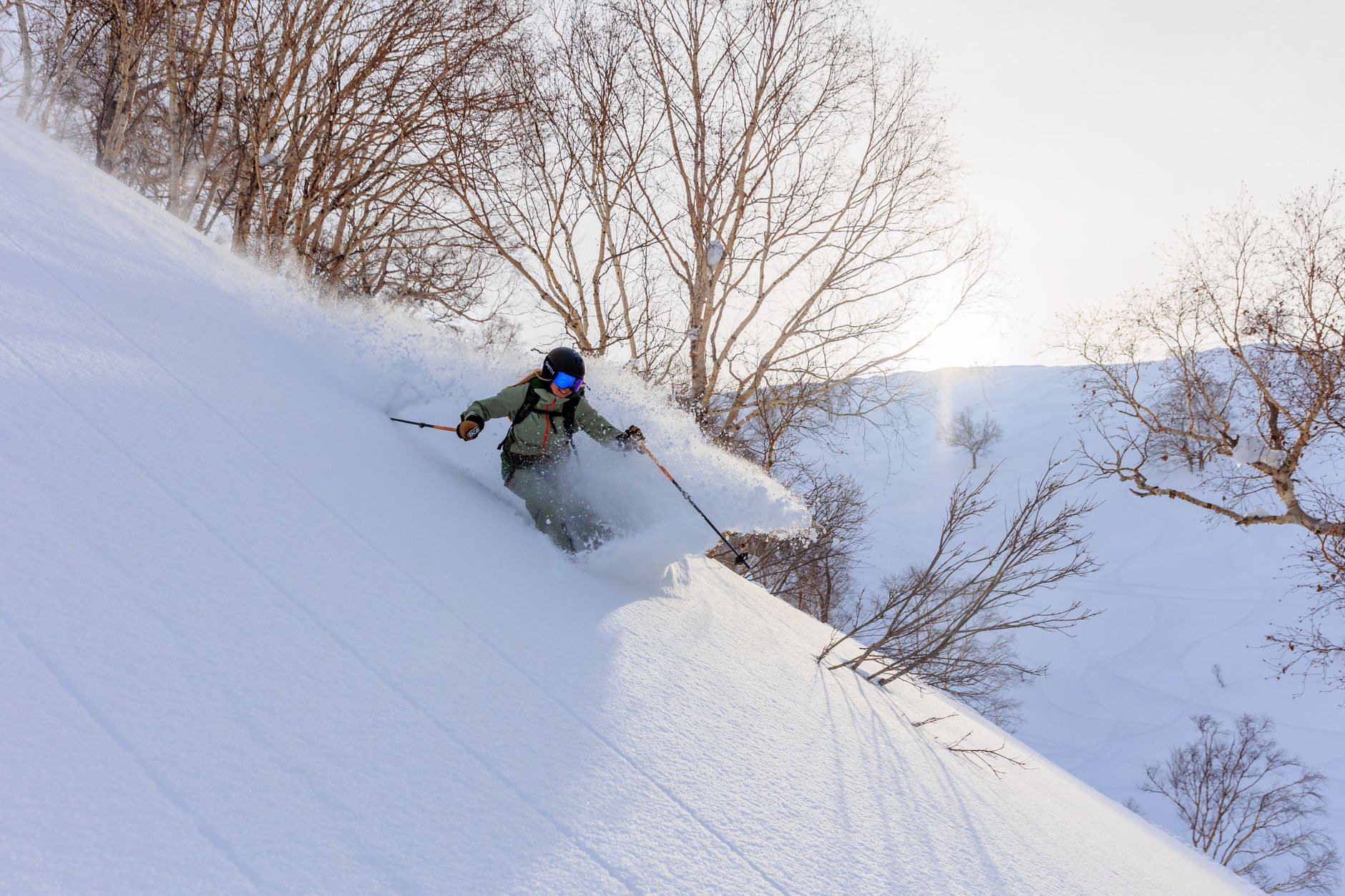
Climbing too hard leaves you soaked and exhausted. Then you stop, and the cold hits fast. Sweat soaking into your layers is one of the most common reasons riders get chilled while waiting at the top.
Keep a steady pace and dress in layers so you can adjust quickly. Peel off a layer as soon as you feel warm, not after you’re already soaked through.
Mistake 6: Packing the Wrong Gear
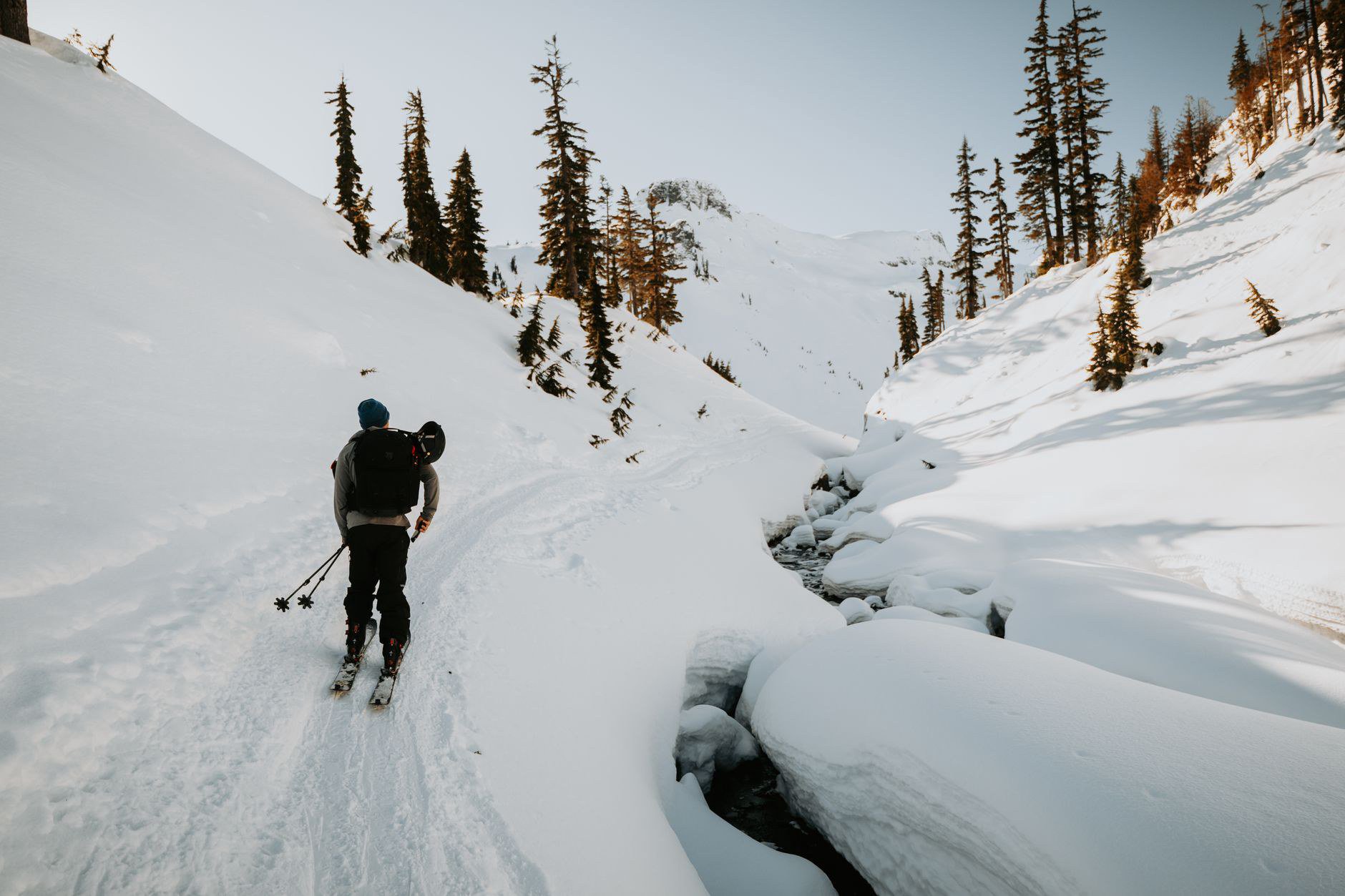
Forgetting something small, like a headlamp, a spare layer, food, water, or a first aid kit, can turn a good day into a bad one. Compatibility is another trap. Bindings, boots, and skins all need to work together, and a mismatch found on the snow is a miserable surprise.
Before you go, check every item and fit your boots into your bindings at home. Don’t discover at the trailhead that they don’t match.
Mistake 7: Ignoring Changing Weather
Wind can load fresh snow onto lee slopes and build unstable slabs, and a short storm can shift snowpack stability within hours. Plenty of riders only notice once it’s too late to change the plan.
Watch for building clouds, sudden temperature swings, and plumes of wind-blown snow off the ridgeline. Each is a cue to rethink your route before you commit.
Mistake 8: Skipping Gear Checks Before the Trip
A weak beacon battery, a loose binding, or a worn edge seem like small problems, but their consequences can be serious. They’re far easier to catch in a warm garage than in the cold at the trailhead.
Test your bindings, check your beacon batteries, and look over your skins and edges the night before. Don’t leave it until you’re standing at the start with cold fingers.
Mistake 9: Overlooking Turnaround Times
Turning around late is extremely common, because people want to finish the line they came for. Coming down in the dark or as the light fades adds serious risk on top of everything else.
Set a firm turnaround time based on daylight and the group’s energy, then stick to it. That time protects you from overconfidence when the snow looks perfect.
Mistake 10: Following Other Skiers Without Judgment
Riding in someone else’s tracks can feel safe, but it’s false comfort. Big groups also make it easy for everyone to stop thinking and simply follow whoever is leading.
Assess the snow on the slope you plan to ride yourself rather than copying the tracks in front of you. Old tracks only prove someone else got through, not that the slope is safe for you.
Common Questions Beginners Ask About Backcountry Skiing
Do I need an avalanche course before my first tour?
Yes. A recognized course teaches you to read the bulletin and perform a rescue if something goes wrong. Until you’ve taken one, keep your riding inside controlled terrain.
Can I backcountry ski without a guide?
You can, but only once you have the knowledge and experience to judge terrain and snow yourself. Newer riders should go with a guide for at least their first few trips.
What gear is essential on a first trip?
A beacon, probe, shovel, headlamp, spare layer, food, water, and a first aid kit. Leaving out any one of these puts you at risk for no good reason.
How do I read the avalanche forecast?
Start with the overall danger rating, then check which aspects and elevations are flagged. Remember it describes the wider area, so always verify conditions where you’re actually riding.
What should I do if a partner gets buried?
Switch your beacon to search mode right away, note where your partner was last seen, and follow the search sequence you practiced. Call for emergency help if you have signal. This is exactly why rehearsing beforehand isn’t optional.
If you’re building a serious setup for these trips, our team has tested a wide range of kit over the seasons. For a broader look at planning a well-run, long-term project, see our notes on SEO tổng thể cho trang web bán hàng.
For more on the gear side, read our best ski bikes for beginners picks, and for a checklist you can run before every tour, see our ultimate backcountry checklist. If you’re still deciding between equipment types, our ski bike vs snowboard comparison breaks down how each performs in deep snow.