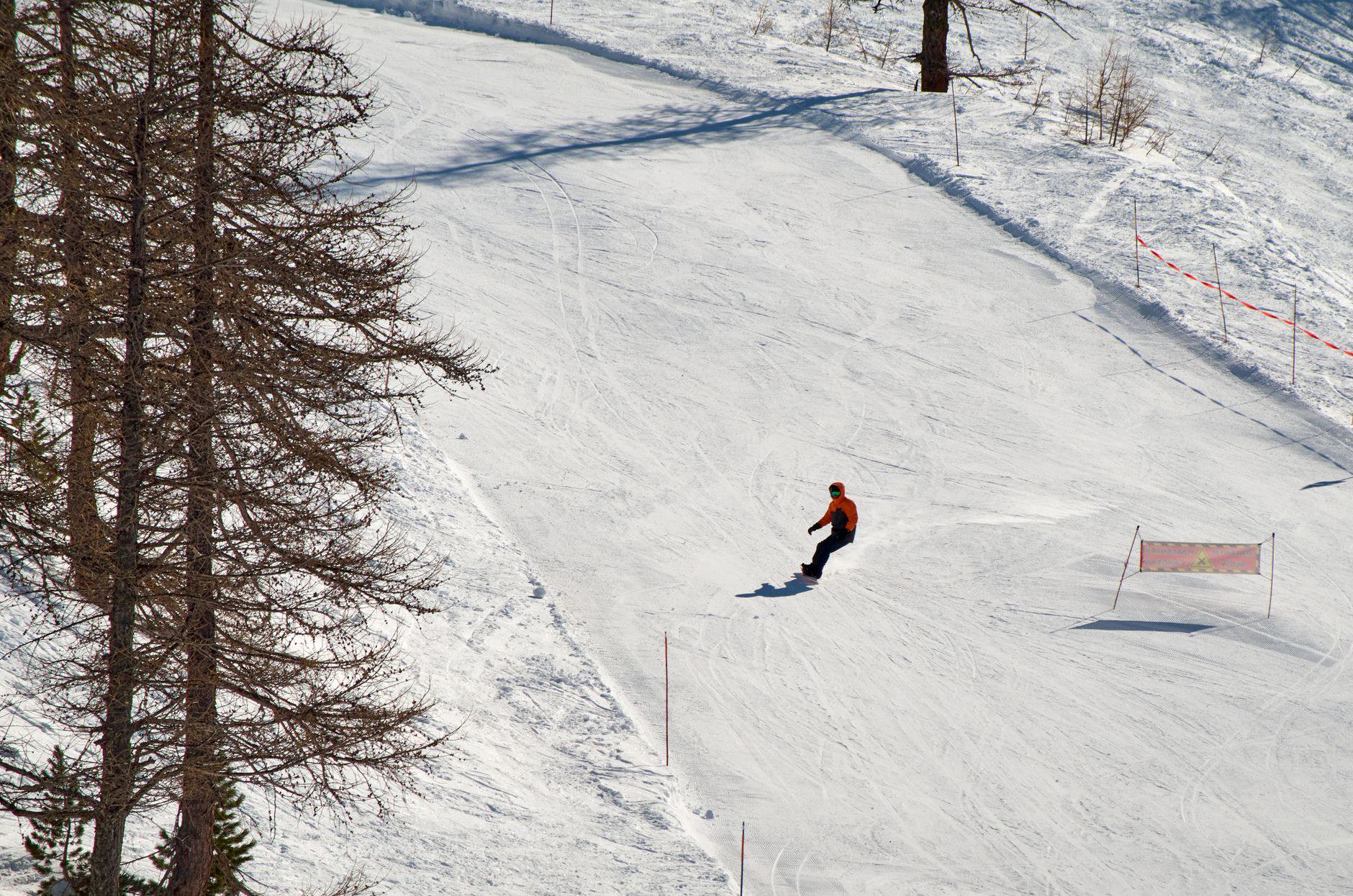
Ski Bike vs Snowboard: Which One Owns the Mountain?
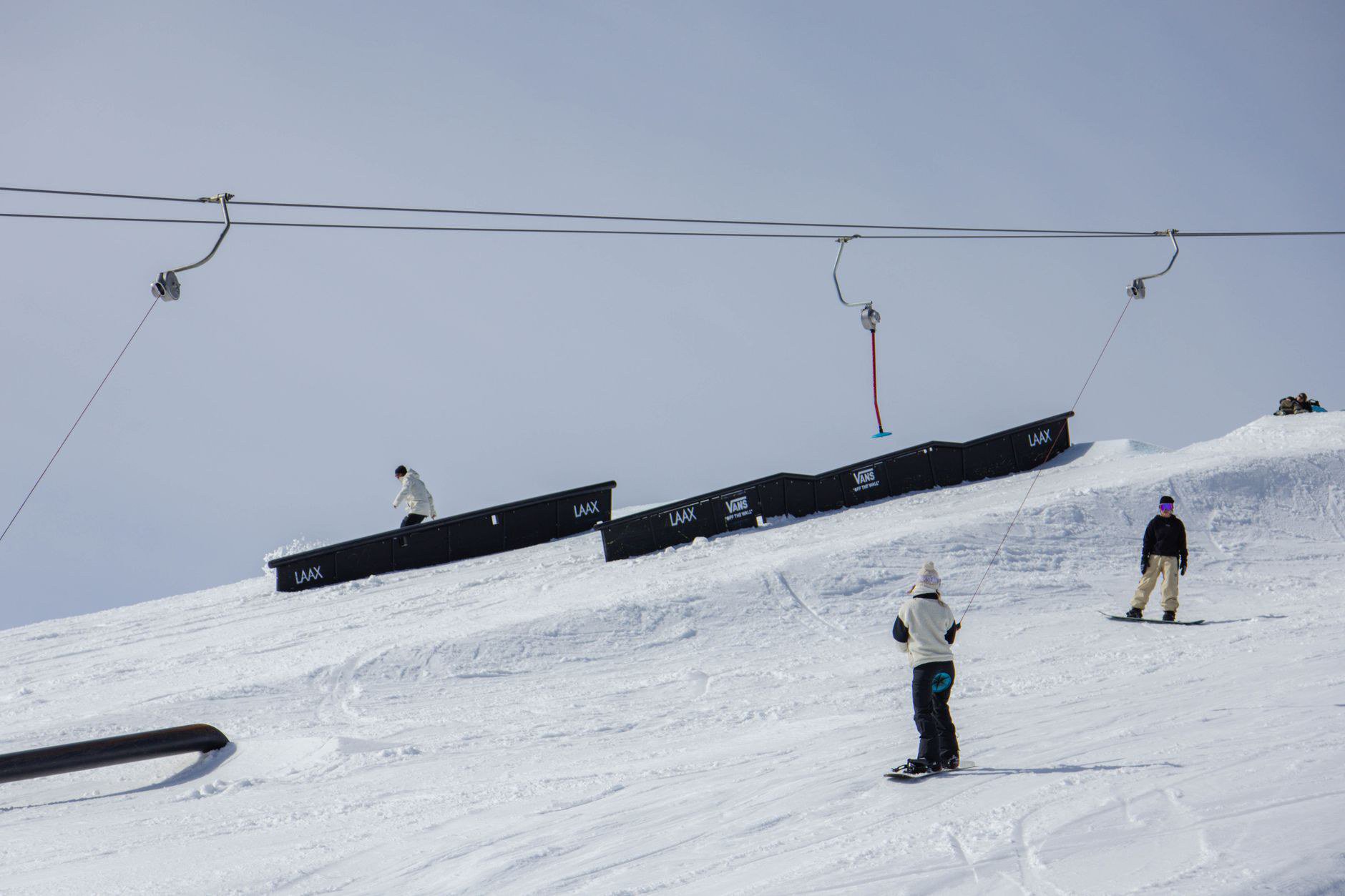
Ski bike vs snowboard is not a contest with one universal winner. A snowboard rewards edge discipline, lower-body timing, and commitment through the fall line. A ski bike gives the rider a handlebar, independent steering input, and a chassis that absorbs terrain differently. I ride both, but I choose between them according to snow quality, terrain, and what kind of session I want.
The real question is not which tool looks more extreme. It is which one matches your movement background and the mountain in front of you. A rider coming from enduro mountain biking often understands a ski bike quickly. A surfer or experienced skater may feel more natural on a board. If you have never seen the mechanics of the newer machines, start with our ski bike primer before comparing the two disciplines.
Ski Bike vs Snowboard: The Core Difference
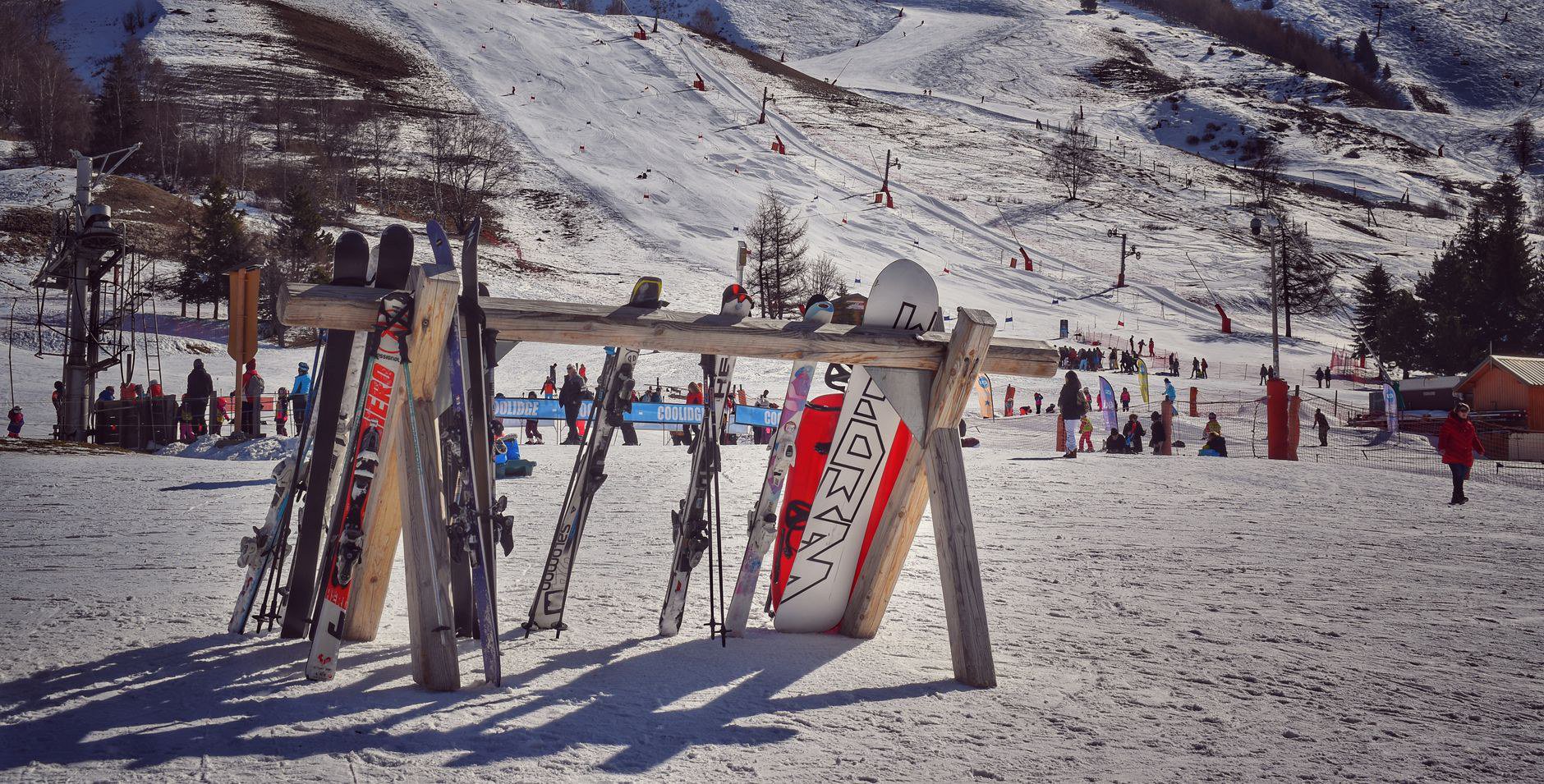
A snowboard connects both feet to one platform. Every movement affects the same edge, so pressure management becomes precise and unforgiving. The rider rotates the hips, flexes the ankles and knees, and commits the body into the turn. When timing is right, the board feels clean and powerful. When timing is late, the edge can release or catch abruptly.
A ski bike separates the contact points. The front ski guides the initial direction while the rear ski or skis support the arc. Foot pegs, bindings, suspension, and handlebars vary by design, but the rider normally has more visible control inputs. That makes the first hour feel less abstract, especially for cyclists.
Neither discipline removes the need for balance. The ski bike is not a bicycle that happens to be on snow. The snowboard is not a large skateboard. Both demand pressure control and the ability to stay relaxed when the surface changes.
Learning Curve on the First Day
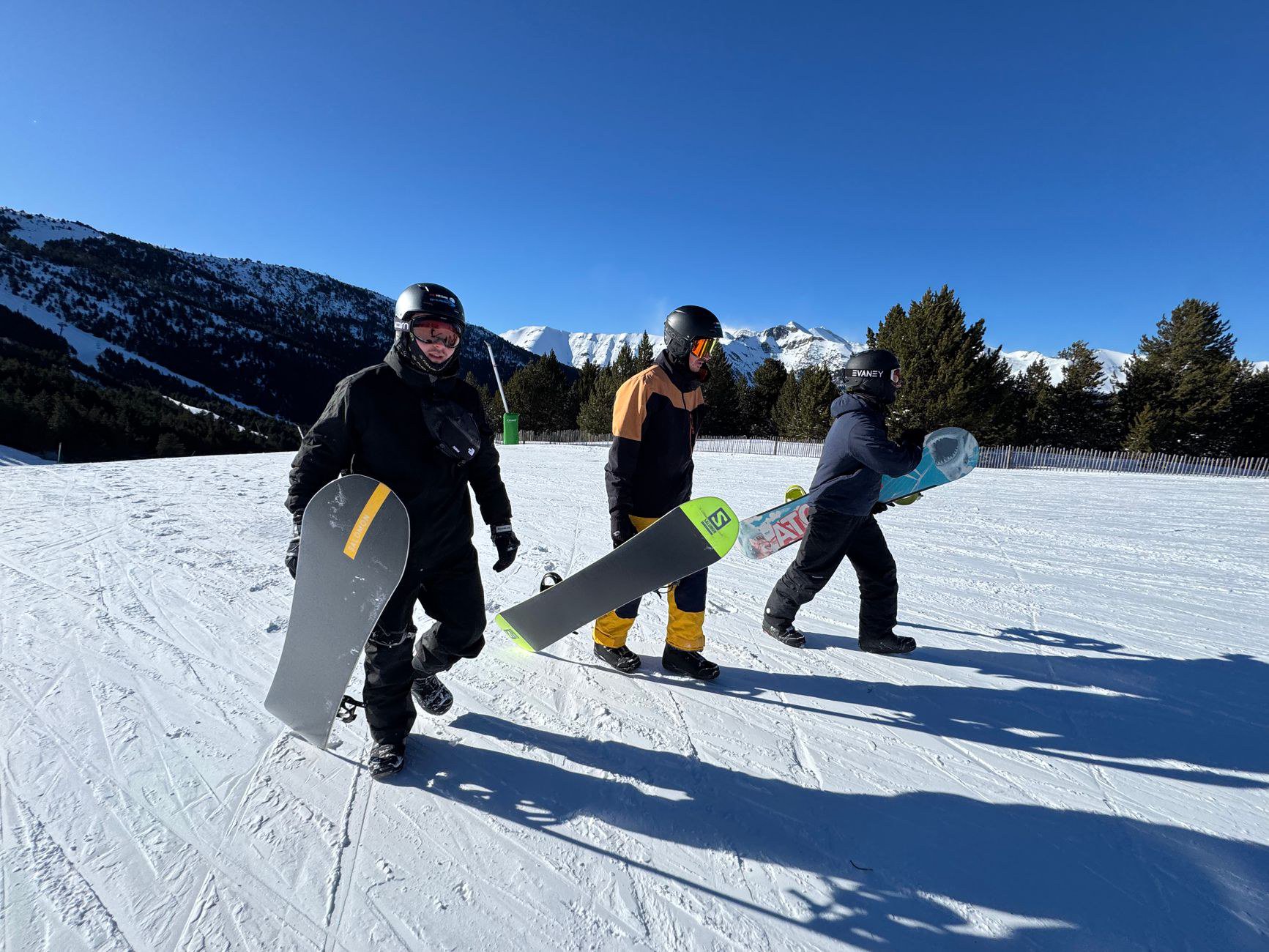
Most adults can move and stop on a stable ski bike within a short lesson. The handlebar gives nervous riders a clear reference, and a seated model lowers the fear of falling. Progress from basic steering to linked turns can happen quickly on a wide groomer.
Snowboarding usually has a harsher opening phase. Beginners spend more time getting up, managing a one-footed lift exit, and learning how not to catch an edge. The reward comes later. Once edge changes become automatic, a board feels fluid in a way few machines can copy.
Quick early progress does not mean ski biking is easy to master. On steep hardpack, a rider who relies on the bar instead of the feet will discover the limit fast. Our transition guide for snowboarders breaks down the habits that transfer and the ones that cause trouble.
Carving and High-Speed Control
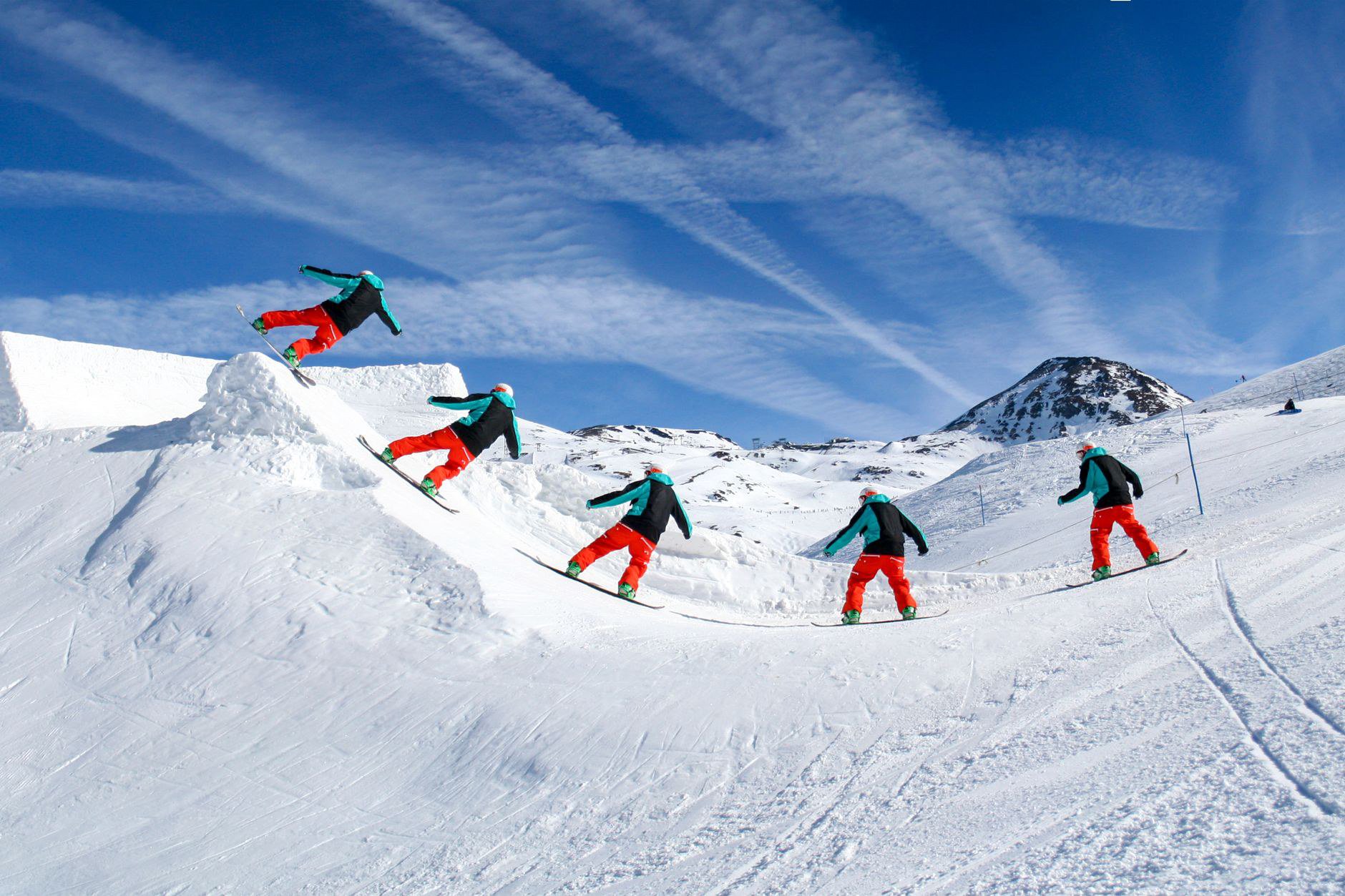
A snowboard produces a long, continuous edge. On clean corduroy, that edge can draw an exceptionally smooth arc. The rider feels pressure build from the front foot toward the tail, then releases it into the next turn. There is almost no mechanical noise between body and snow.
A ski bike feels more like a suspended chassis moving through separate contact patches. Good models remain calm over chopped groomers and small compressions. Suspension protects the rider from repeated impacts, allowing a strong pace after the piste loses its morning polish.
At speed, setup becomes decisive. Too much front-ski pressure makes the bike nervous. Too little leaves it reluctant to finish a turn. Board riders face a different problem: poor stance angles or excessive rear-foot dependence can burn the legs and reduce edge authority.
Powder: Float Versus Maneuverability
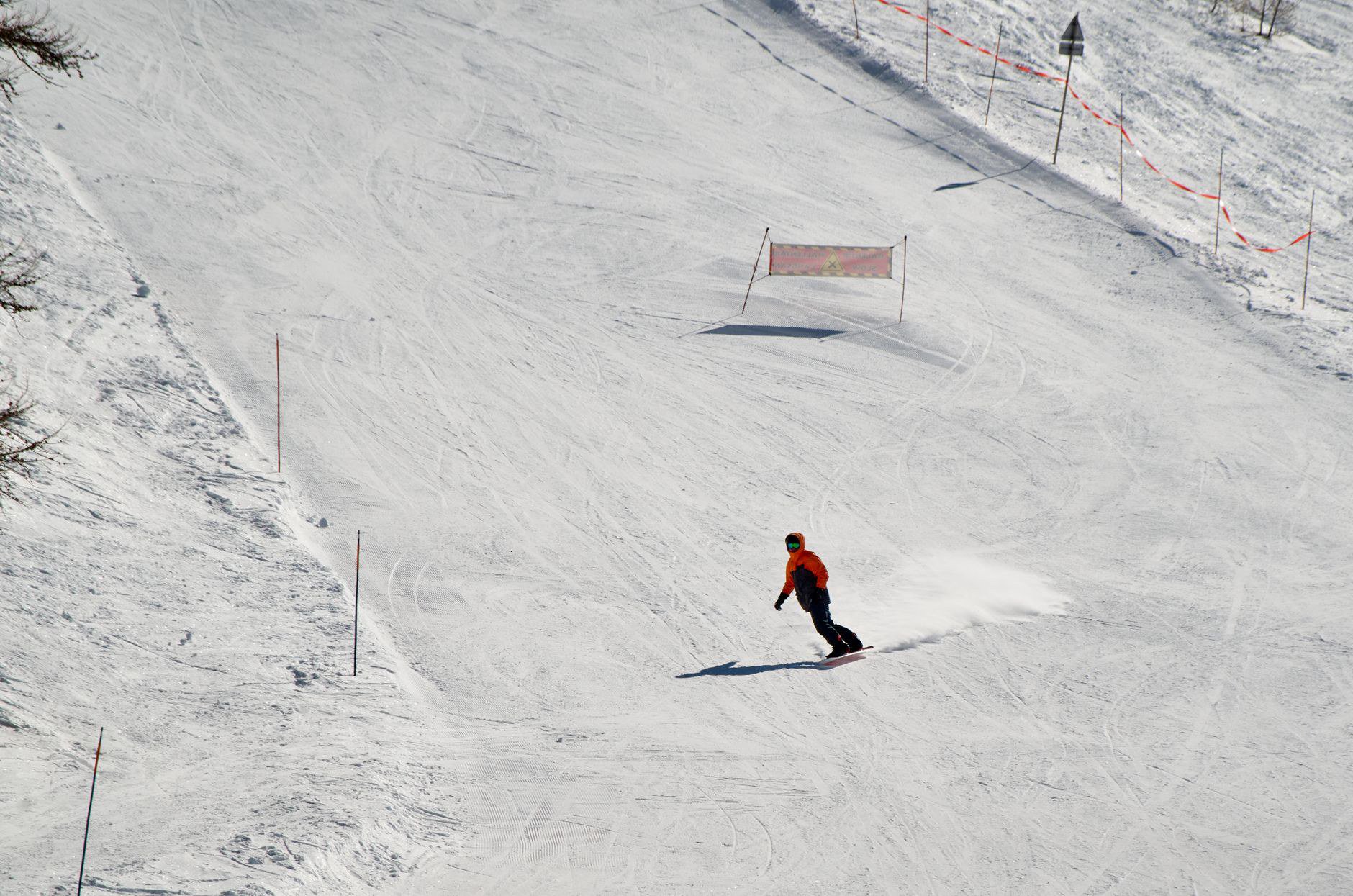
A wide snowboard has natural appeal in powder. Its surface area creates float, and the sideways stance makes surf-style turns feel intuitive. In consistent snow, a board delivers one of the purest sensations in winter sport.
Ski bikes can also work well in soft snow, but ski dimensions and frame geometry matter. A narrow front ski dives. A heavy chassis takes effort to redirect in deep, slow powder. The advantage appears in variable terrain where a bike can punch through tracked sections and use suspension to settle rough transitions.
I choose the snowboard for an open, untracked face with a safe runout. I choose the ski bike when powder is mixed with firm entrances, tight trees, and chopped exits. That preference is personal, yet it illustrates why the mountain matters more than an abstract winner.
Jumps, Drops, and Rough Terrain
Snowboards are exceptionally expressive in the air. Grabs, spins, and presses are built into the culture and the equipment. A skilled rider can load the board through a transition and use its flex for pop. Landings demand accurate alignment because both feet remain locked to one platform.
A ski bike brings mountain-bike logic to snow features. The handlebar and suspension create confidence on drops and rough landings, but they also add mass. Riders must control pitch and avoid pulling the bike sideways without understanding the landing. The sensation is closer to a compact downhill chassis than a board.
Mountain bikers often adapt rapidly here. The same riders should still study how dirt skills change on snow. Our field notes on moving from dirt to powder explain why braking habits and corner entry need adjustment.
Fatigue and Physical Demand
Snowboarding concentrates work in the legs and trunk. Long heel-side traverses can fatigue the calves, while repeated deep turns load the quads. There is no handlebar to brace against, which exposes weak posture immediately.
A seated ski bike can reduce leg fatigue and make long resort days accessible to riders who struggle with constant knee flexion. Standing models remain athletic, and wrestling a heavy frame through lift lines or flat sections adds a different kind of effort. Upper-body tension also becomes a problem when riders grip the bars too hard.
Do not confuse comfort with low consequence. A relaxed position may tempt a ski biker to carry more speed than technique allows. Fatigue arrives quietly, especially when repeated rough sections cause the rider to hang from the handlebar.
Lift Access and Resort Practicality
A snowboard is simple to transport and accepted almost everywhere. Carry it to the lift, release one foot when required, and ride. Storage, vehicle space, and maintenance are straightforward.
A ski bike requires more planning. Resorts may restrict certain designs, require a retention device, or specify how the machine loads onto the chair. Large frames take vehicle space, and ice around pivots or bindings deserves attention. Check local rules before the trip rather than negotiating at the lift gate.
That extra work is manageable for committed riders. The boot and binding setup is especially important because it affects control, comfort, and compliance with mountain policies.
Cost, Maintenance, and Ownership
A complete snowboard setup is generally easier to source. Boards, boots, and bindings exist at many price levels, and technicians understand the equipment. Edge tuning and base repair are routine services.
Ski bikes involve more parts. Frames, suspension units, bearings, ski mounts, and retention hardware all need inspection. Used equipment can be good value, but buyers should look for cracks, play at attachment points, damaged bases, and unavailable proprietary components.
The best ownership decision is often a demo session. Ride more than one format on the same day. A short test reveals whether the machine suits your stance and local terrain better than hours of reading specifications. Outdoor athletes comparing winter options can also browse the broader sports perspective at Lakeland FC, while checking ski-bike details against specialist guidance.
Who Should Choose a Ski Bike?
Choose a ski bike if you come from gravity cycling, enjoy mechanical setup, or want suspension between your body and rough snow. It also makes sense for riders who prefer a forward-facing stance and direct steering reference.
The discipline becomes especially rewarding on mixed resort terrain. Chopped groomers, small drops, and technical lines let the chassis work. Riders who enjoy tuning suspension and experimenting with pressure distribution will find plenty of depth beyond the first easy laps.
Who Should Stay with a Snowboard?
Choose a snowboard if you want a light, simple tool and value the sensation of one continuous edge. It remains hard to beat in clean powder, natural transitions, and freestyle terrain. The equipment is easy to travel with, and resort access rarely requires special planning.
Snowboarding also rewards riders who enjoy refining a small number of direct movements. There are no suspension settings to blame. The board tells the truth about stance, timing, and edge control.
The Mountain Decides the Winner
In the ski bike vs snowboard debate, the snowboard wins for simplicity, pure edge feel, and surf-like powder turns. The ski bike wins for suspension comfort, familiar controls for cyclists, and composure across rough mixed snow. Both can be aggressive. Both punish careless speed.
I would take a snowboard onto a clean powder face and a ski bike into a full day of chopped resort laps with technical features. If you are choosing your first discipline, rent both with proper instruction. The winning equipment is the one that makes you read the mountain more clearly and return for another run with enough control to push harder.