Ski Bike Boots and Bindings: Complete Gear Guide
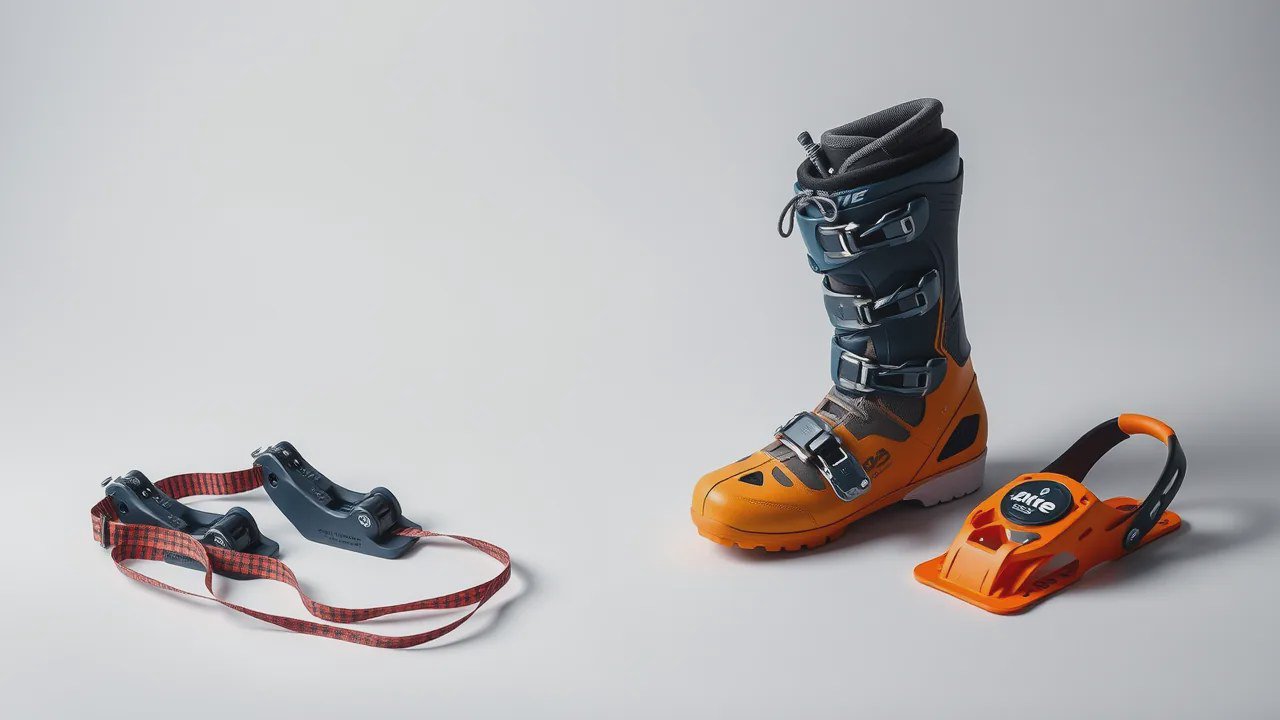
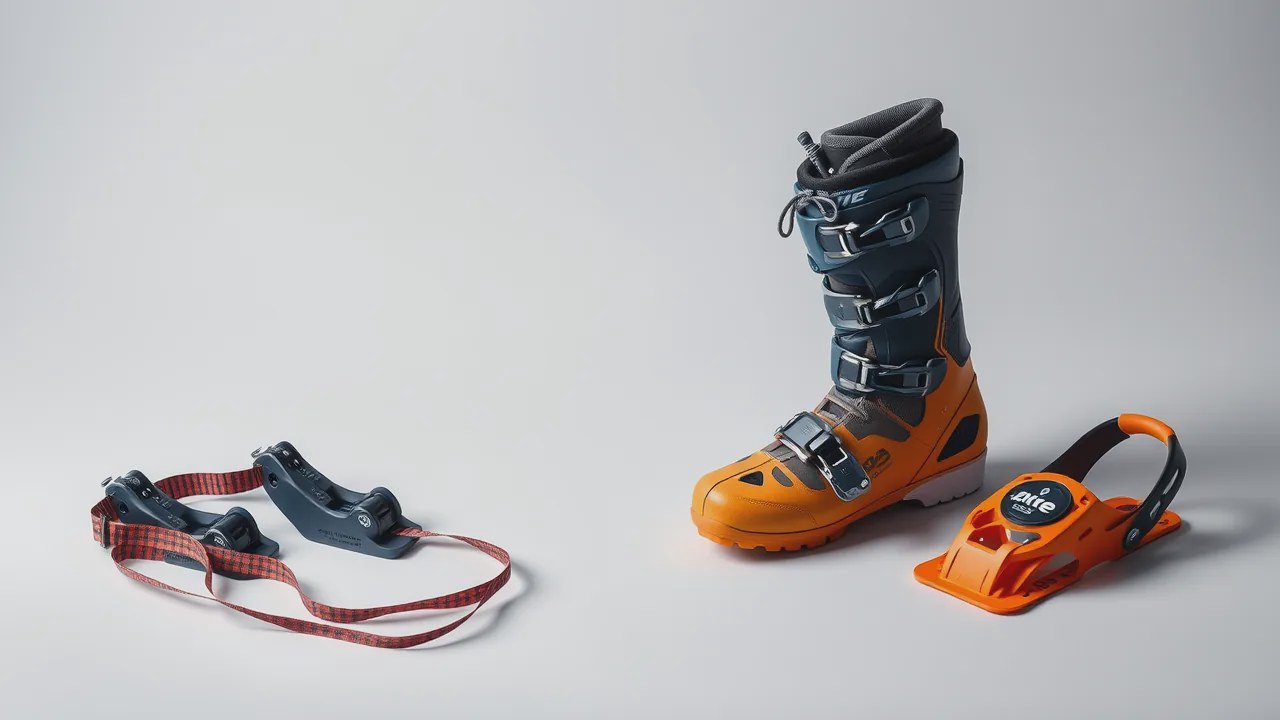
Dialing in your winter alpine setup requires understanding how rider connection dictates overall steering response. While suspension frames and ski sub-assemblies dominate equipment discussions, selecting appropriate ski bike boots and bindings directly impacts downhill stability, edge control, and comfort in freezing temperatures. Whether carving corduroy groomers or floating deep powder bowls, the interface between your feet, pedals, or foot-skis translates rider intention into mountain performance.
Because ski biking blends mountain biking geometry with alpine skiing physics, riders often arrive with differing expectations. Downhill mountain bikers lean toward flat mountain bike shoes, whereas snowboarders and skiers bring stiff plastic boots. Understanding the distinctions across ski bike categories prevents costly gear mismatches and keeps you riding safely all winter.
Understanding Ski Bike Categories and Footwear Demands
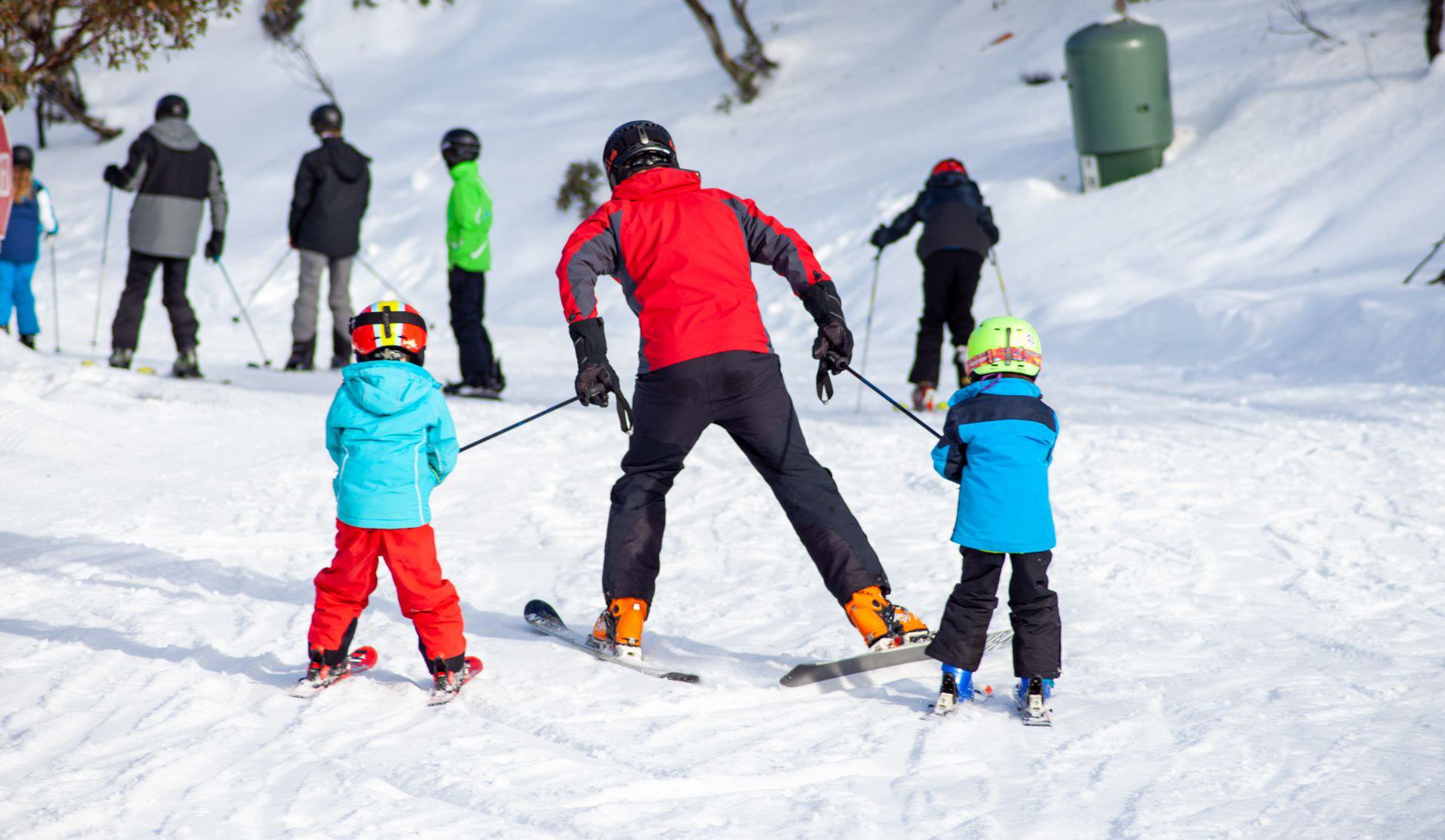
Footwear requirements depend entirely on which style of ski bike you operate. Traditional skibobs feature low saddle positions and rely on short foot-skis attached to the rider’s boots. In contrast, modern freestyle and peg-based ski bikes utilize fixed metal foot-pegs similar to downhill mountain bikes, requiring no foot-skis whatsoever.
For peg-based rigs, insulated waterproof winter boots with aggressive vibram rubber tread deliver optimal pedal traction without restrictive rigidity. In skibob configurations, short foot-skis demand boots compatible with release bindings to protect ankles during sudden stops or falls.
Transitioning from other snow sports involves adjusting your center of mass. Reviewing our comprehensive ski bike versus snowboard transition guide illustrates how body positioning differs when balancing on dual ski runners rather than a single wide deck.
Boot Options: Snowboard Boots vs. Mountaineering Footwear
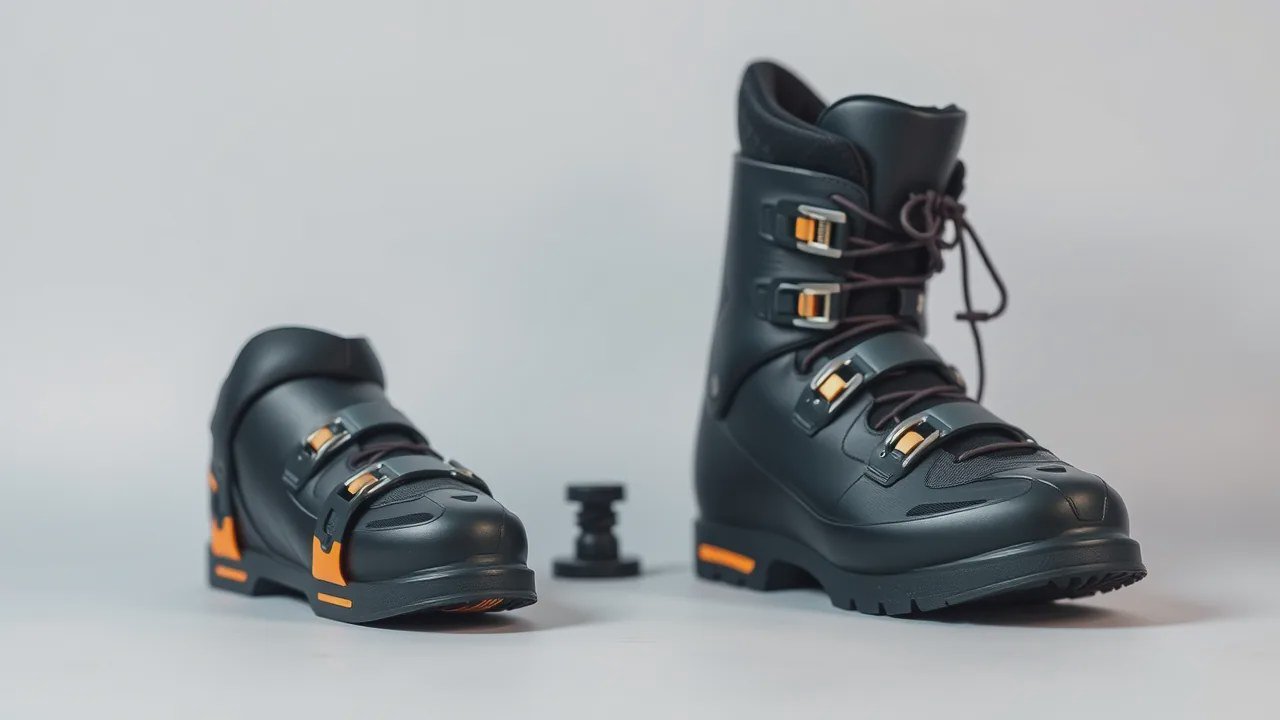
Soft snowboard boots represent the most popular choice for stand-up ski bike pilots. They provide thick closed-cell foam insulation, robust ankle support, and durable rubber outsoles that bite cleanly into spiked metal foot-pegs. Modern dual-zone BOA lacing systems allow riders to cinch lower zones tight for heel hold while leaving upper cuffs slightly flexible for smooth knee articulation.
Insulated mountaineering and winter hiking boots offer a lighter alternative for backcountry touring or cross-country exploration. They excel at walking across icy resort parking lots and booting up ridgelines, though their thinner soles can transmit excessive vibration on hardpacked groomers.
To match boots with compatible bike models, explore specifications in our detailed ultimate ski bike buyers guide before investing in premium winter riding equipment.
Binding Systems and Retention Mechanisms
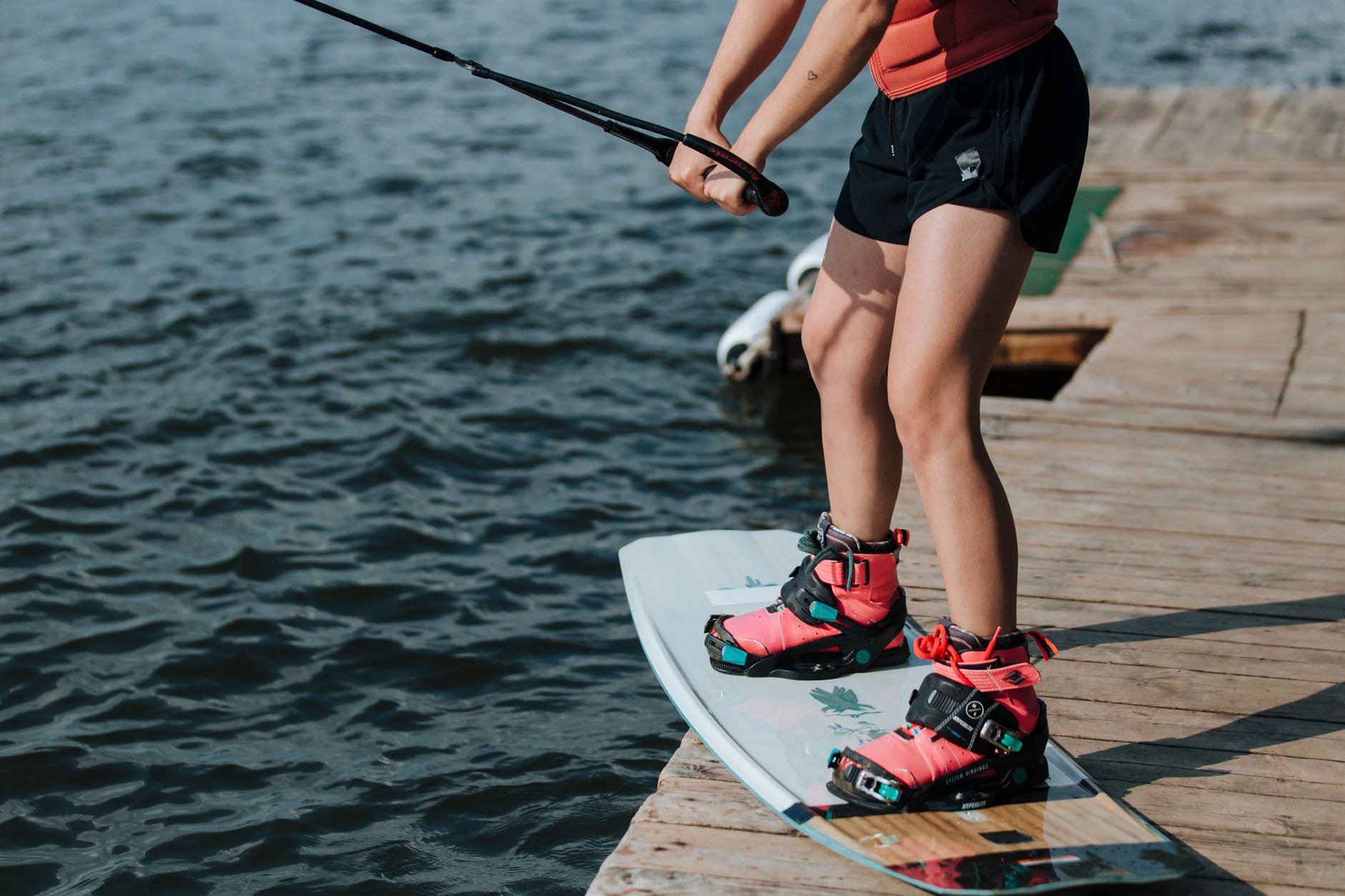
Binding mechanics on ski bikes serve two distinct roles: securing the main skis to the frame suspension, and attaching foot-skis to boots when operating skibob models. Frame-mounted ski retention kits utilize elastomeric pivot blocks or torsion springs that allow skis to pitch smoothly over terrain changes without catching tips in deep snow.
For foot-skis, standard non-release cable bindings or junior alpine step-in bindings are customary. Setting appropriate release values ensures foot-skis detach during hard tumbles, preventing rotational torque on lower leg joints.
Tuning your suspension in concert with binding retention ensures predictable edge bite. Check out our technical overview on dialing in suspension settings for hardpack snow to balance rebound damping with ski flexibility.
Safety Leashes and Mountain Compliance Standards
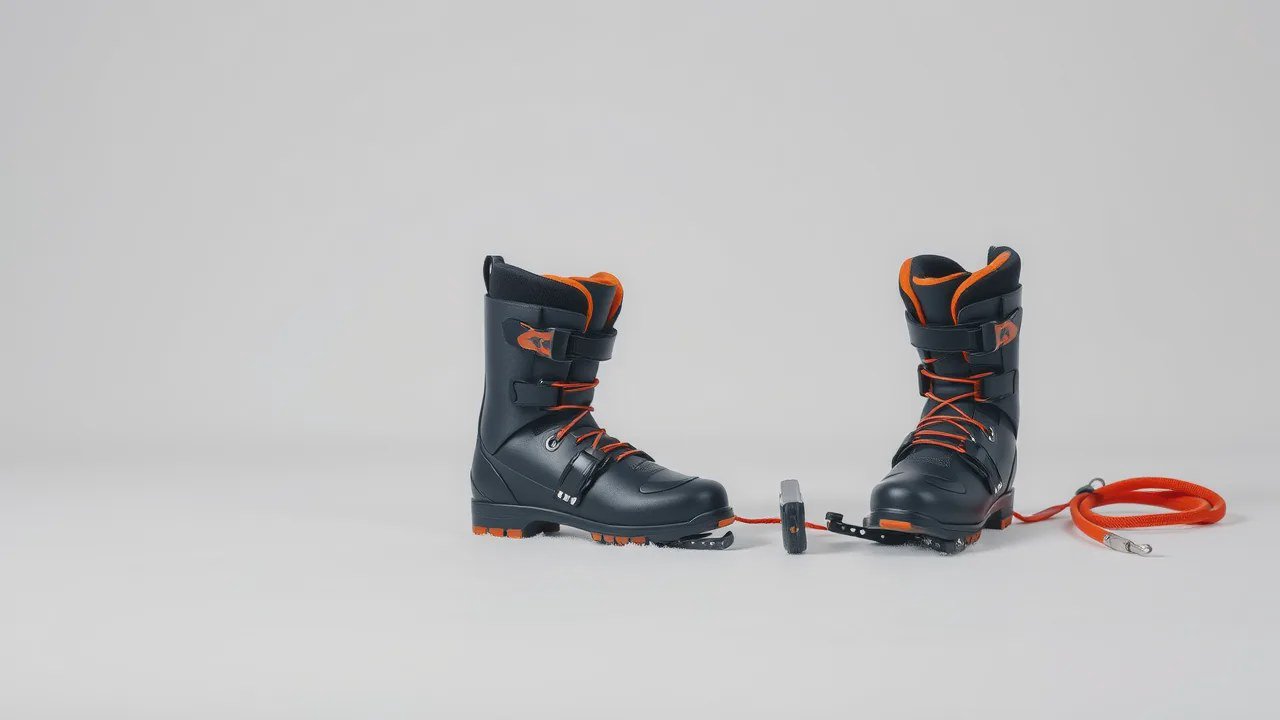
Ski resorts enforce strict equipment regulations to prevent runaway gear on crowded beginner slopes and chairlifts. Most ski areas require certified retention leashes connecting the bike frame directly to the rider or chairlift restraint bar. Foot-skis must similarly feature metal retention cords or functional ski brakes.
Inspect leash webbing, carabiners, and binding pins before every chairlift load. Cold plastic clips can become brittle and fracture under freezing conditions; opt for high-strength aluminum locking clips to ensure peace of mind on steep summit pitches.
Conditioning your leg muscles and stabilizer tendons during pre-season workouts significantly decreases fatigue during long mountain descents. Athletic conditioning programs and grassroots fitness guides shared by lakelandfc.com reinforce core endurance, knee stability, and reactive balance necessary for high-speed snow carving.
Maintenance and Winter Care Protocol
Alpine environments expose gear to corrosive road salt, grit, and moisture. Following a systematic care routine prolongs the service life of boots and mechanical hardware.
- Drying Liners: Remove boot liners after every session and dry them thoroughly using gentle convection air dryers to prevent mold growth.
- Pivot Lubrication: Apply marine-grade grease to binding pivot pins and frame linkage bearings to keep movement silky smooth in sub-zero weather.
- Hardware Inspection: Check mounting bolts on foot-pegs and retention plates weekly, applying medium blue threadlocker to combat vibration loosening.
- Sole Grip Check: Clear packed snow and road grit from boot treads prior to stepping onto spiked pedals to guarantee positive traction.
Custom Insole Support and Thermal Regulation
Cold feet can quickly end an otherwise spectacular day on the slopes. Upgrading factory foam insoles to moldable orthotic footbeds helps support the natural arch of your foot during high-G turns. Custom footbeds distribute downward pressure evenly across the entire surface of your boots, reducing foot fatigue and eliminating painful pressure points over prolonged downhill runs.
For extreme winter conditions where temperatures regularly dip below zero degrees Fahrenheit, consider investing in rechargeable heated boot socks or thin battery-powered heating elements that slip directly beneath your footbeds. Maintaining adequate blood circulation to your toes preserves fine motor control in your ankles, ensuring rapid micro-adjustments when carving through unpredictable ice patches or variable wind-crusted powder.
Conclusion: Choosing Confidence on Every Descent
Selecting matched ski bike boots and bindings provides the foundational stability needed to tackle steep resort groomers and backcountry powder bowls with total confidence. Prioritize warmth, traction, and proper mechanical release according to your specific riding style.
Inspect your connections, calibrate your gear for current snow conditions, and enjoy effortless carving all season long.