Best Ski Bikes for Beginners: 5 Realistic Picks for Your First Season
The best ski bikes for beginners are not always the softest, cheapest, or easiest-looking models in the rack. A good first ski bike should feel calm when the slope gets firm, respond without throwing the rider forward, and offer enough adjustment to support real progression. I have watched strong mountain bikers struggle on nervous short-wheelbase setups, while cautious first-timers found confidence within two runs on a balanced frame.
This guide focuses on five types of ski bikes that make sense for a first season. The picks are based on handling character, setup demands, durability, and how quickly a rider can understand what the bike is doing beneath them. Before comparing models, read our introduction to ski bike fundamentals if the sport and its equipment are completely new to you.
What Makes a Ski Bike Beginner-Friendly?
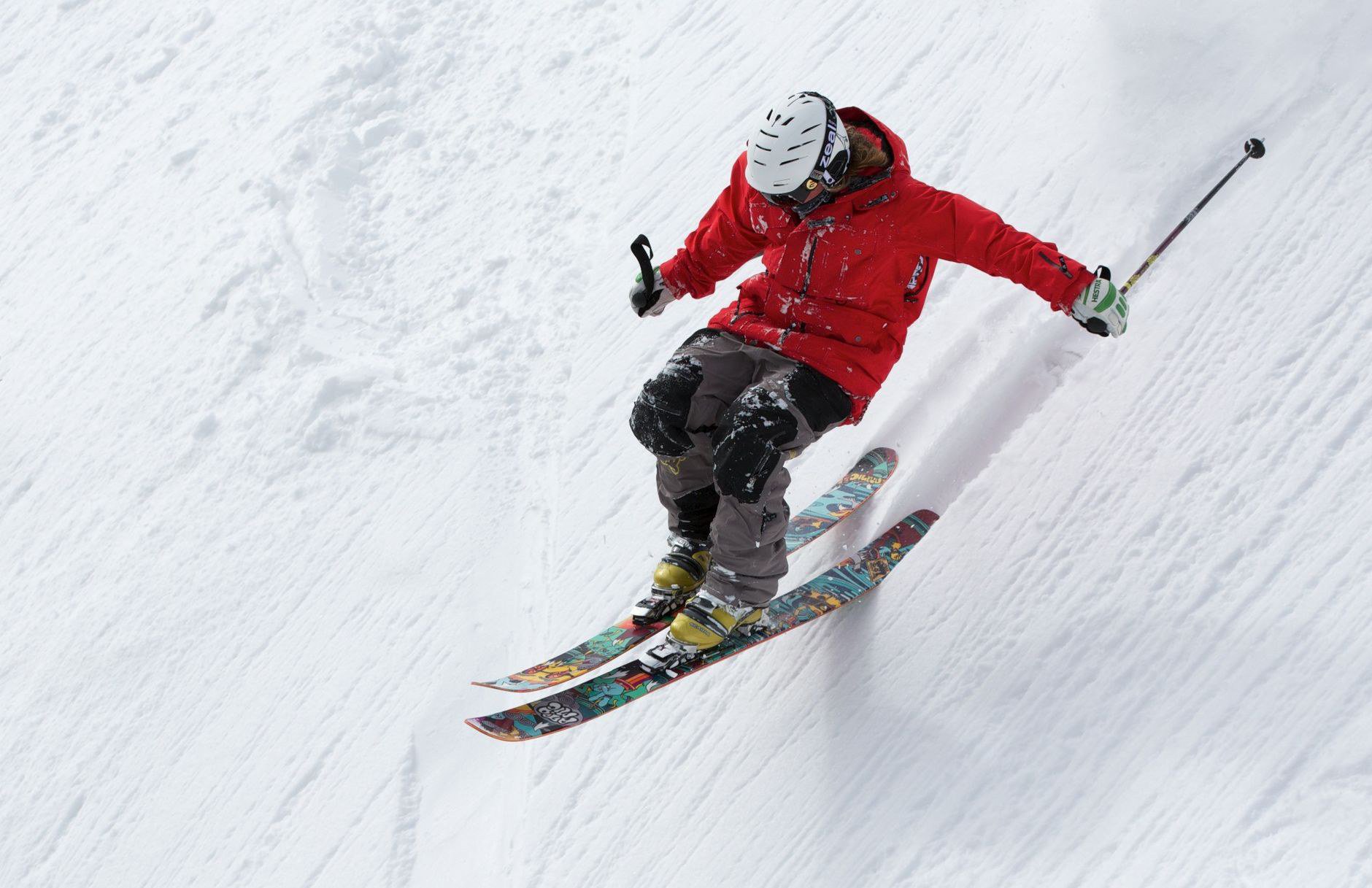
Predictability matters more than raw capability. A beginner-friendly ski bike should initiate a turn smoothly, hold a line without constant correction, and recover when the rider becomes tense or gets too far over the front. That does not mean the frame should feel dull. It means the response should build in a way the rider can understand.
Fit is equally important. Handlebar height, foot position, ski pressure, and suspension sag change how the machine behaves. A premium bike set up for the wrong rider can feel worse than a simple bike adjusted carefully. Riders coming from downhill or enduro cycling usually adapt faster, but the movements are not identical. Our guide to translating downhill skills to snow explains where mountain bike instincts help and where they create bad habits.
I also favor designs with common hardware and accessible adjustments. Your first season involves experimentation. If every change requires a special tool or a proprietary part, small setup problems can cost an entire day on the mountain.
1. Brenter Snowbike: The Stable First Platform
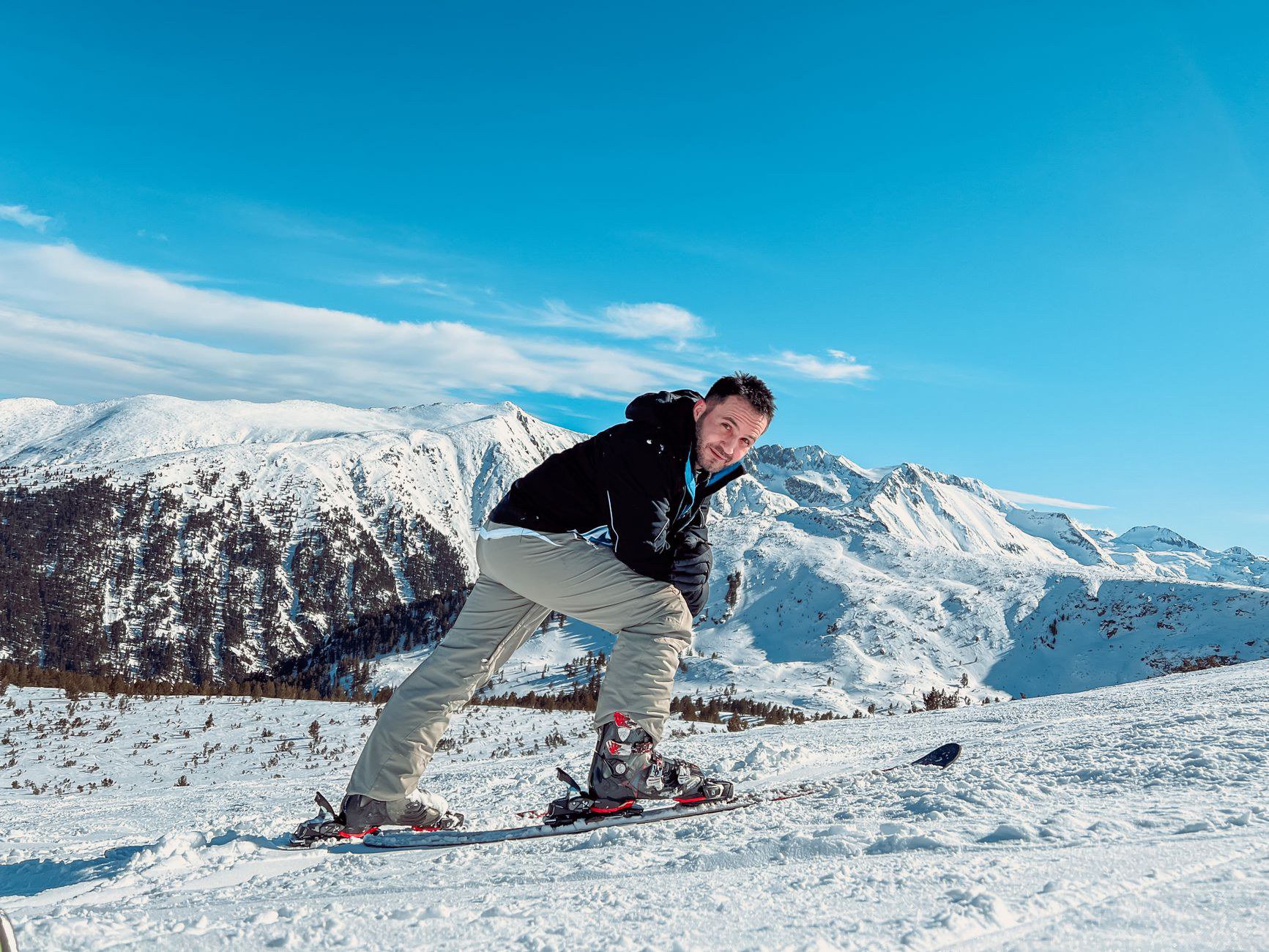
The Brenter-style platform remains one of the easiest ways to understand ski biking. Its seated position, broad stability, and intuitive steering reduce the feeling that the machine is trying to escape beneath you. Riders can concentrate on looking through the turn instead of fighting a twitchy front ski.
It is especially suitable for skiers who want a comfortable transition and for riders who do not arrive with aggressive mountain bike technique. The tradeoff is weight and a less playful response than lighter freestyle-oriented frames. On narrow traverses, the larger chassis can feel cumbersome. On groomed blue terrain, however, that planted character builds useful confidence.
Choose this type if your first goal is controlled linked turns rather than jumps, fast edge changes, or deep backcountry access. It rewards patience and smooth pressure. It does not punish every imperfect movement.
2. SNO-GO Three-Ski Bike: Fast Learning Through Standing Control
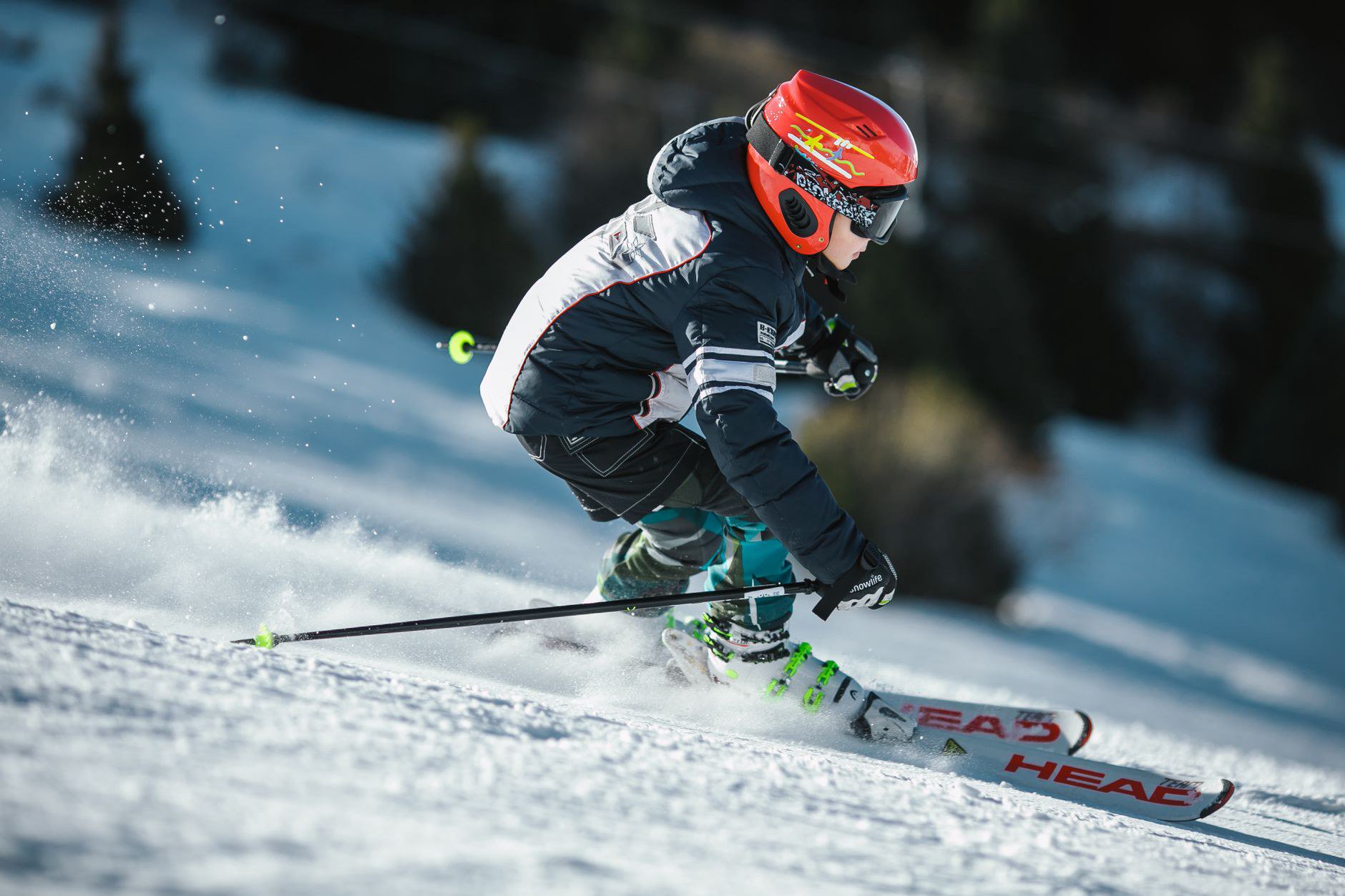
A three-ski standing platform changes the learning process. The wide stance and independent rear skis give the rider a strong base, while the handlebar provides an obvious control point. Many first-timers can move, stop, and change direction quickly because the posture resembles an athletic downhill stance.
The best results come when the rider stays centered and lets the skis work. Pulling hard on the bar makes the front nervous. Sitting too far back overloads the rear platform and delays the turn. Once that balance is understood, the bike feels active without becoming chaotic.
This is a strong choice for snowboarders, wakeboarders, and mountain bikers who prefer to stand. It is less ideal for someone who needs a seat for comfort or who wants the traditional bicycle-like format. Check resort rules before traveling because transport and lift procedures vary by mountain.
3. Lenz Sport Alpine Brawler: A Bike-Like Progression Path
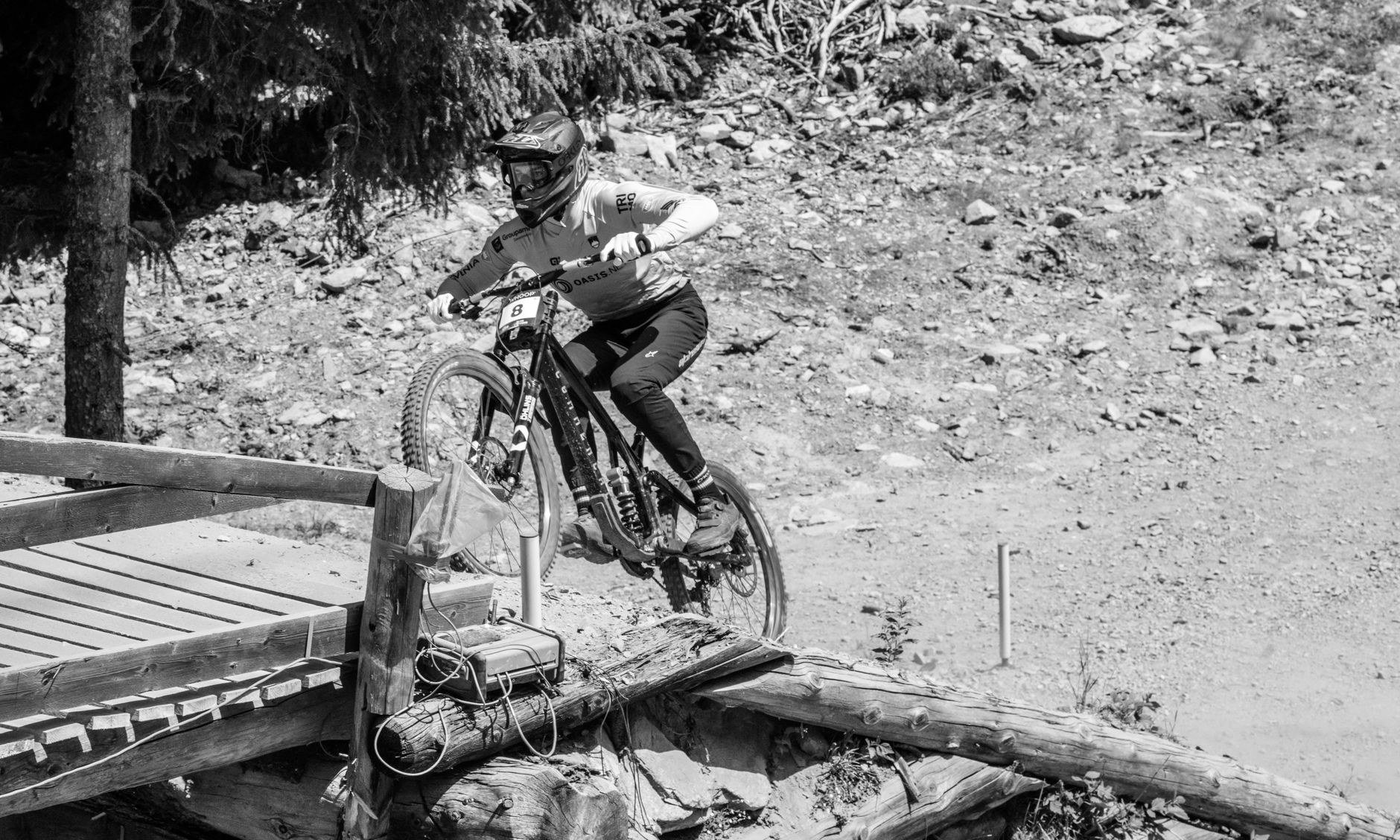
For a rider who wants a familiar frame, suspension, and bicycle cockpit, the Alpine Brawler concept is compelling. The layout feels close enough to a gravity bike that experienced cyclists immediately recognize the contact points. At the same time, the snow exposes sloppy braking-era habits. Steering must come from pressure, position, and patience rather than a rushed handlebar input.
This type of machine has more performance than a cautious first-day rider needs, yet that is not a disadvantage when the setup is neutral. A conservative suspension tune and centered bar position make it manageable. As confidence grows, the same chassis can handle steeper terrain and higher speeds without forcing an early upgrade.
Pay attention to boots and retention hardware. A stable connection at the feet transforms control and reduces fatigue. Our boots and bindings guide covers the choices that matter before buying accessories.
4. Crighton-Style Short Frame: Light, Direct, and Demanding
Short-frame ski bikes can be excellent first machines for athletic riders, but they should not be mistaken for effortless options. Their low mass makes them easy to transport and quick to redirect. The same quality makes them sensitive to abrupt weight shifts. When a rider freezes, the bike communicates that mistake immediately.
I recommend this category to confident skiers or mountain bikers who already understand edge pressure and body position. Start on a wide groomer and focus on round turns. Do not chase speed during the first session. A light bike becomes enjoyable once the rider stops using the handlebar as a lever and begins managing pressure through the feet.
Buyers should inspect the ski base, attachment points, and frame junctions carefully, particularly on used examples. Simplicity is an advantage only when the core structure is sound.
5. A Well-Prepared Rental or Demo Bike
The smartest first ski bike may be the one you do not own. A quality rental or demo fleet lets you compare seated and standing formats on the same snow. That experience answers questions no specification sheet can settle. You will learn whether you prefer a stable long chassis, a compact responsive bike, or a three-ski platform.
A good operator will adjust the machine for rider height, stance, and ability. Ask what was changed and why. Take notes after each run. If the front washes on firm snow, record your body position as well as the setup. If the bike refuses to finish a turn, consider whether you are looking downhill or staring at the front ski.
Demo access also reveals practical details: whether the bike fits your vehicle, how awkward it is in a lift queue, and how much maintenance you are prepared to do. Those factors matter after the excitement of the first weekend fades.
How to Choose Between the Five
Start with your movement background. Skiers who value comfort and controlled carving often adapt well to a stable seated platform. Snowboarders and athletic beginners may prefer a standing three-ski design. Experienced gravity cyclists usually appreciate a suspended bicycle-style frame, provided they accept that snow requires different timing.
Then look at the terrain you will actually ride. A high-performance frame makes little sense if your local access is mostly mellow groomers and your priority is relaxed laps. Conversely, a basic recreational bike can become limiting if you intend to ride steep hardpack every weekend. Our broader ski bike setup and riding guides can help match equipment to terrain.
Do not ignore service support. A nearby dealer or experienced rental shop can be more valuable than a small difference in frame weight. Early setup help shortens the painful stage where the rider cannot tell whether the problem comes from technique or equipment.
First-Day Setup That Prevents Bad Habits
Set the handlebar high enough that you can remain tall without locking your elbows. Use a neutral suspension setting rather than an ultra-soft tune. Excessive sag feels comfortable in the parking lot but can pitch the chassis forward when terrain compresses the fork.
Inspect every attachment before loading the lift. Confirm that retention systems are secure, controls are tight, and ski hardware has no play. Wear a helmet and goggles with clear peripheral vision. Riders exploring other winter disciplines can compare additional equipment perspectives at Lakeland FC, but ski-bike-specific fit and resort policies should guide the final decision.
On snow, begin with traverses and deliberate stops. Link two or three turns, reset, and repeat. The goal is not to survive a full run. It is to recognize how pressure builds and releases. When that sensation becomes familiar, speed arrives naturally.
Which Ski Bike Would I Put a New Rider On?
For a cautious beginner, I would start with the stable Brenter-style platform or a properly fitted demo bike. For an athletic rider who learns through movement, the SNO-GO format provides immediate feedback and a strong stance. A mountain biker committed to the sport may be better served by the Lenz-style suspended frame because it offers room to progress.
The best ski bikes for beginners create confidence without hiding mistakes. They let the rider feel the difference between balanced pressure and forced steering, but they do not turn every error into a crash. Choose the format that matches your body, terrain, and riding ambitions. Then spend money on professional setup and mountain time rather than chasing specifications that will not matter during the first ten runs.