Mountain Biking Cross Training Winter Sports: Full Guide
Preparing your body for alpine powder shouldn’t mean spending endless hours on a stationary exercise bike in a dark garage. True athletic conditioning starts on living dirt singletrack, months before the first resort chairlift opens. Skiers, snowboarders, and ski bikers require identical athletic capacities to perform at their best: explosive quad stamina, rotational core strength, and split-second ocular reflexes to pick clean downhill lines. Engaging in mountain biking cross training winter sports preparation delivers all three attributes simultaneously while keeping training outdoors under natural sunlight.
While traditional gym squats and dumbbell lunges offer valuable strength benefits, static gym weights never challenge your dynamic balance across loose gravel, off-camber tree roots, or sudden drops. Mountain biking keeps your nervous system actively firing at full throttle. When you spend summer and autumn flowing through technical trails, switching over to winter snow feels completely natural.
Mountain Biking Cross Training Winter Sports: Shared Biomechanics

Riding loose dirt trails and carving sharp edges on alpine snow demand remarkably similar biomechanical movements. Both pursuits require a balanced, loaded athletic stance: knees bent, hips hinge back, chest proud, and weight centered firmly over the pedals or foot-pegs. Athletes who practice this body positioning on dirt arrive at winter ski resorts moving intuitively without needing remedial stance corrections.
To establish a structured pre-season routine, explore our recommended off-season MTB drills for winter descents to prepare your lower-body muscles for demanding descents. Long downhill trail sections force your quads, hamstrings, and glutes into intense isometric contractions—the exact physical demands required to carve through deep moguls and variable crust.
Translating balance from dirt to snow is explored in our guide on translating downhill dirt skills to ski bikes, showing how micro-adjustments made over roots translate into effortless float across deep winter snowbanks.
Trail Vision and Neurological Reflexes at High Speed
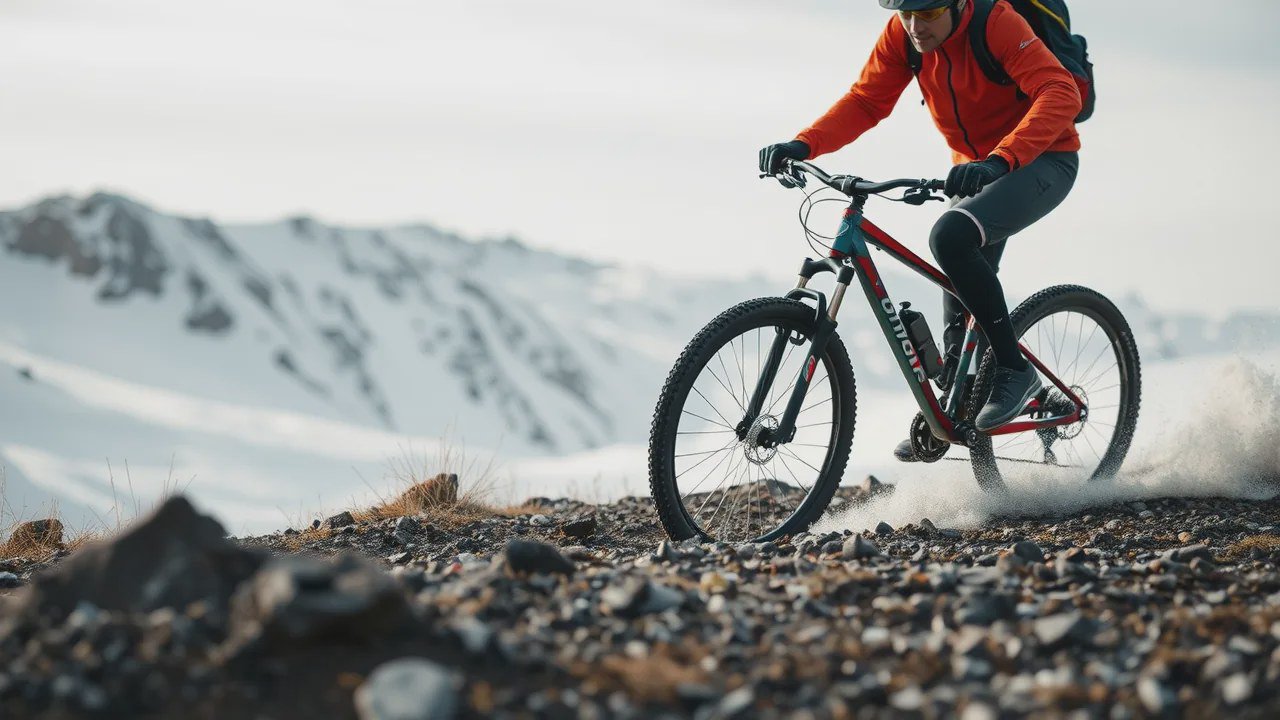
High-speed singletrack riding harshly penalizes tunnel vision. If you stare fixated at your front wheel, you will inevitably hit rocks twenty feet down the trail. Mountain bikers develop wide panoramic vision, scanning fifty feet ahead while subconsciously processing trail textures directly beneath their tires. This visual agility keeps skiers composed during blinding blizzards and helps snowboarders navigate crowded pistes calmly.
Equipment choice plays a significant role in conditioning. When selecting an off-season training rig, review our recommendations for choosing an all-mountain bike for year-round riding. A bike with 140 to 160 millimeters of plush suspension travel mimics the dynamic compression of alpine skis, absorbing terrain shocks without punishing rider joints.
Upper-body conditioning during technical riding is equally substantial. Navigating wide handlebars through boulder gardens builds forearm grip, shoulder stability, and lat engagement—vital attributes when stabilizing heavy snow equipment or poles over multiple hours.
Mental Commitment and Line Choice on Steep Pitches

Beyond cardiovascular stamina, mountain biking builds emotional resilience. Peering down a steep, rocky chute triggers an authentic fight-or-flight nervous response. Learning to regulate your breath, suppress panic, and execute your chosen line with unwavering commitment translates directly to standing atop double-black diamond ski chutes in mid-winter.
When athletes overcome intimidating lines on dry summer dirt, winter descents stop feeling daunting. Overcoming fear is a practiced habit, not an innate personality trait. Mastering technical commitment in summer fosters absolute poise when dropping into couloirs or powder bowls.
General athletic conditioning protocols and field mobility exercises promoted by grassroots sports clubs at lakelandfc.com reinforce how multi-sport cross-training enhances reactive agility, balance, and injury resilience across demanding athletic seasons.
Smart Recovery Habits to Avoid Seasonal Burnout
Cross-training succeeds only when paired with intentional recovery. Over-training during summer months leaves joints depleted just as opening day arrives at alpine resorts.
- Targeted Myofascial Release: Foam roll the iliotibial (IT) bands, quadriceps, and hip flexors after intense rides to prevent patellar tendon tracking issues on snow.
- Electrolyte Hydration: Replenish mineral salts and fluids during warm rides to maintain muscular elasticity and prevent cramping.
- Mobility Maintenance: Incorporate weekly yoga or thoracic spine mobilization sessions to retain flexibility for unexpected falls.
- Restorative Rest: Prioritize deep sleep cycles so micro-tears in muscle tissues regenerate into stronger, more resilient fibers.
Footwear and Interface Consistency
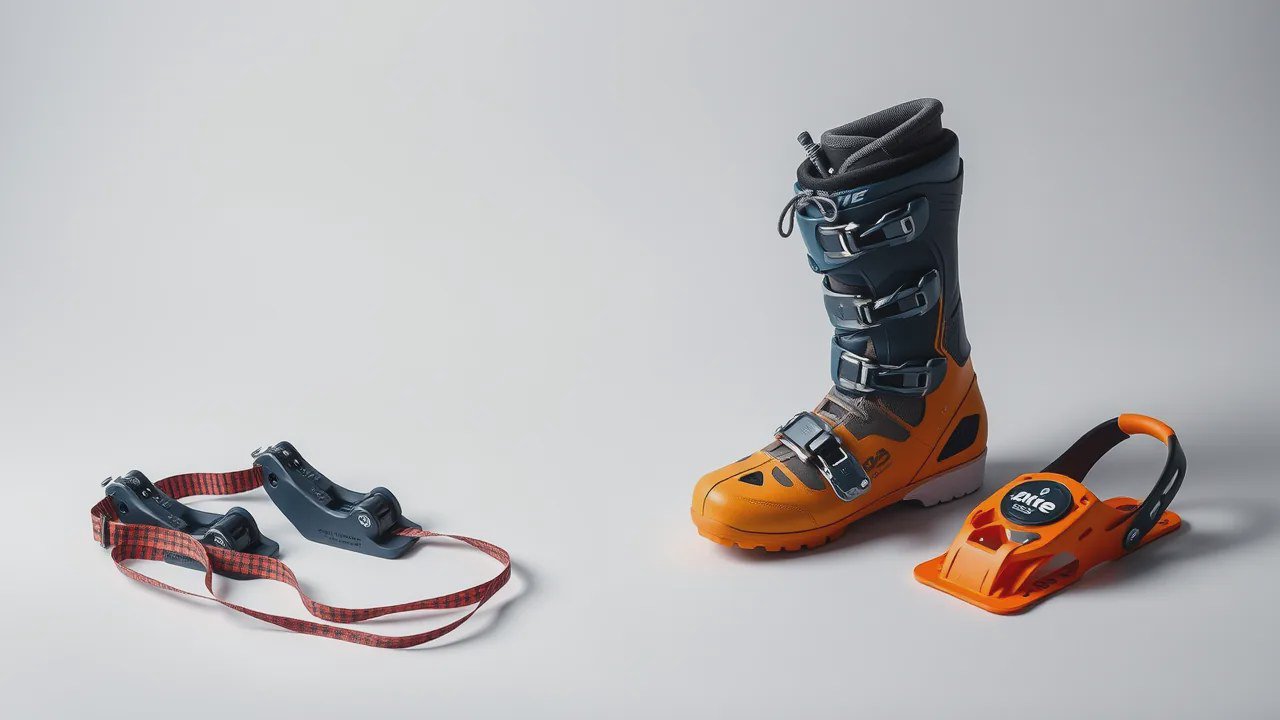
Notice the connection between your shoes and pedals during summer training. Learning how stiff soles transfer power prepares riders for the rigid interfaces found in winter riding. Exploring footwear reviews in our breakdown of ski bike boots and bindings choices highlights how direct foot support maximizes carving precision on frozen resort groomers.
Cardiovascular Thresholds on High-Altitude Climbs
Pedaling up steep backcountry fire roads and high-altitude singletrack passes pushes your VO2 max to its absolute peak. Sustained aerobic climbing teaches your circulatory system to maximize oxygen uptake under intense lactic burn. When winter arrives and you find yourself skinning up a steep ridge or navigating a twenty-minute non-stop downhill run, your lungs and cardiovascular engine handle the high-altitude demands without gasping for breath.
Conclusion: Bridging Summer Dirt to Winter Powder
Embracing mountain biking cross training winter sports protocols ensures you never begin winter from a physical deficit. By logging rewarding dirt miles, honing line choices, and building ironclad leg endurance all summer, you enter the snow season feeling agile, explosive, and ready to dominate the mountain from your very first descent.
Keep your pedals spinning, trust your instincts on technical trails, and arrive at opening day at peak performance!