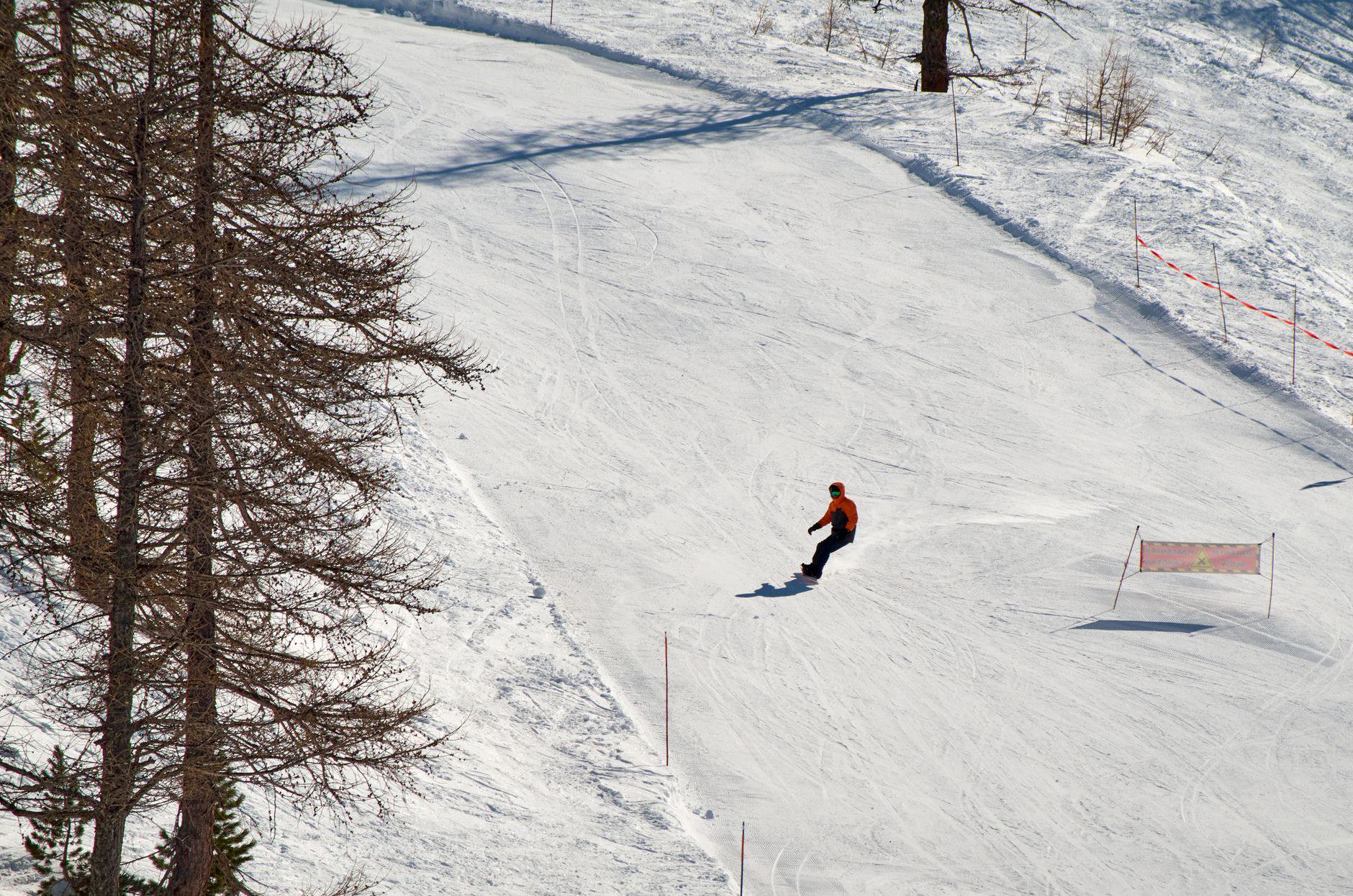
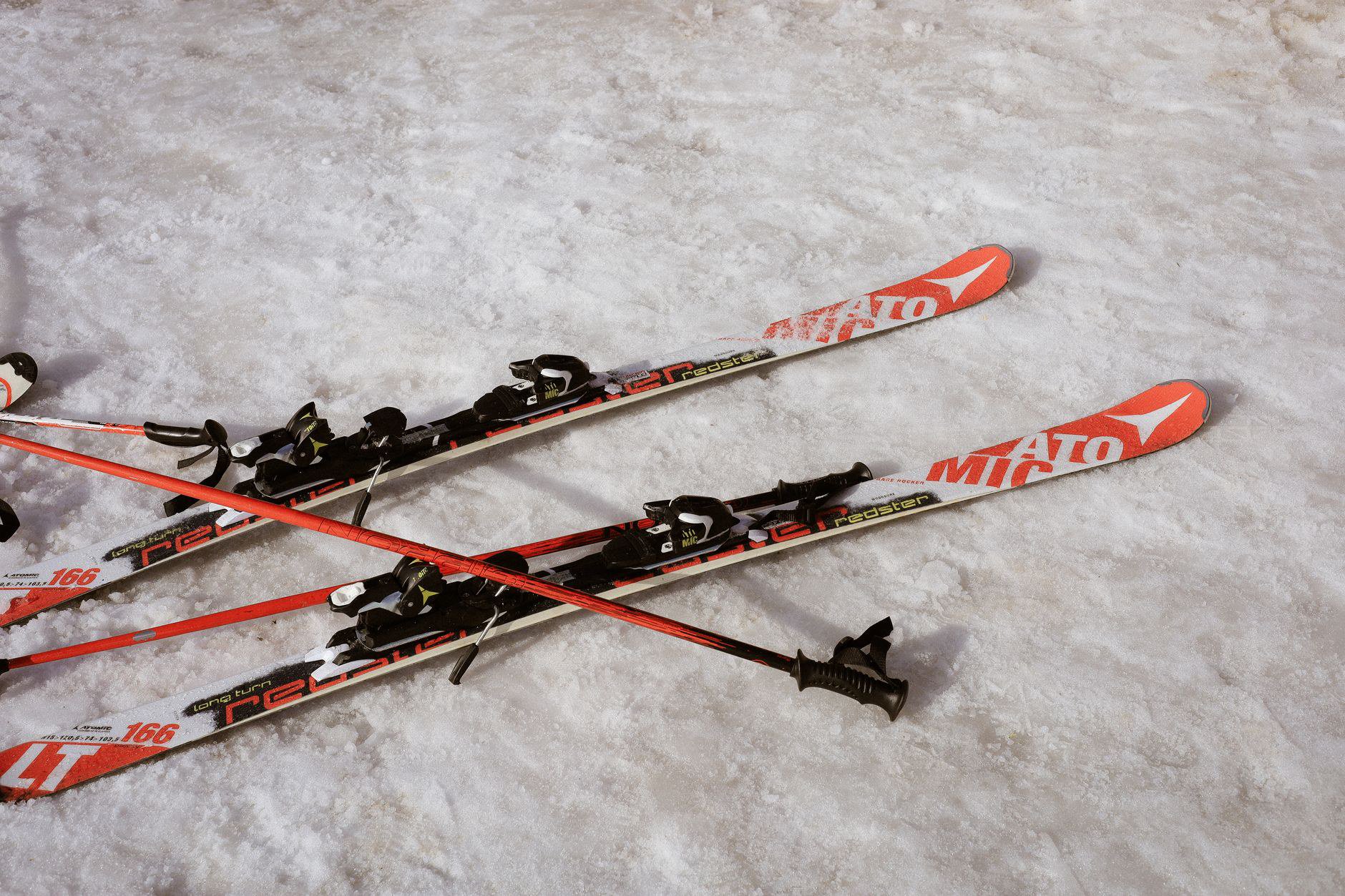
Avalanche Safety Backcountry Skiing on a Ski Bike
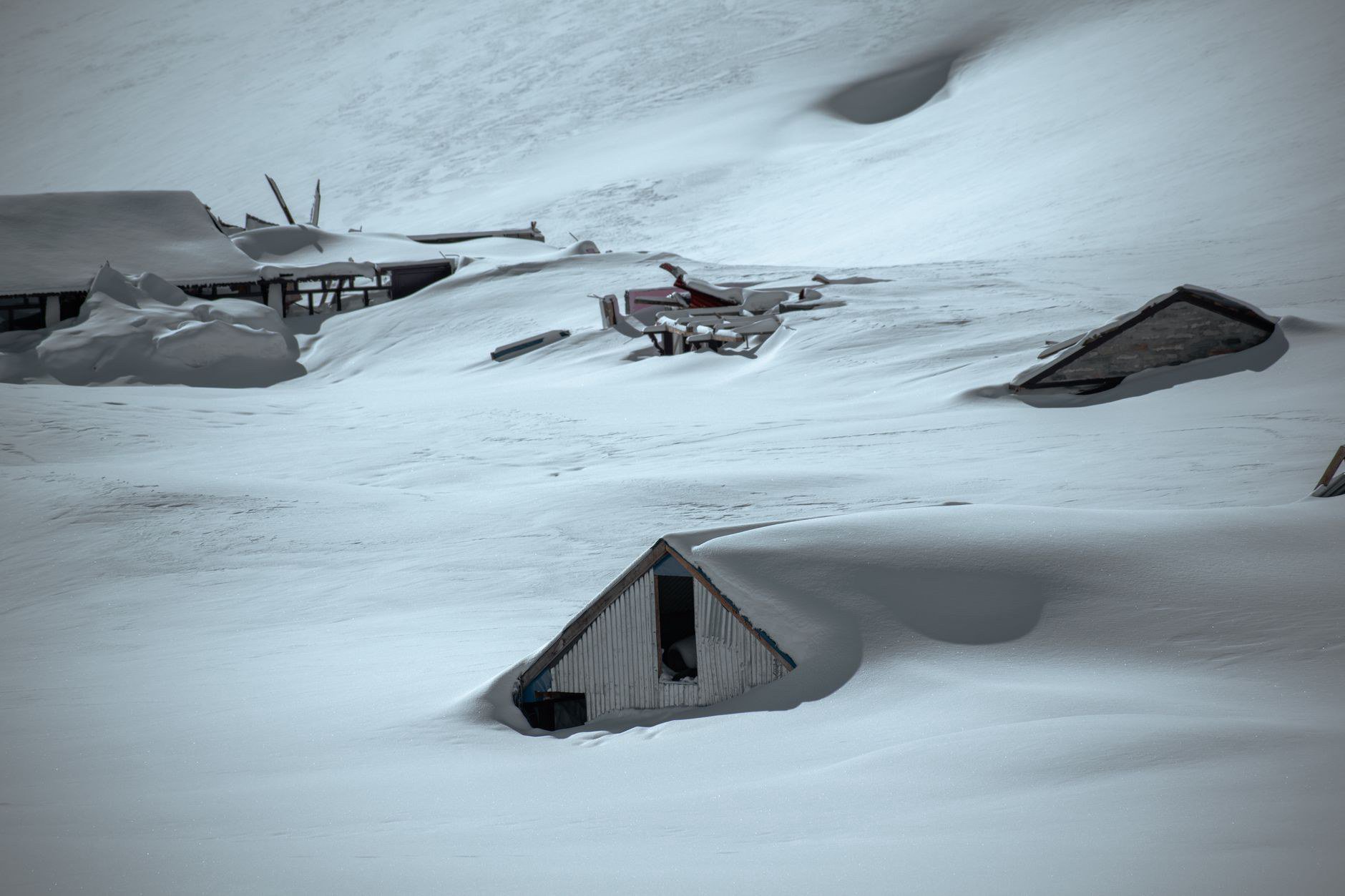
Avalanche safety backcountry skiing on a ski bike begins long before the machine touches snow. A ski bike does not make unstable terrain safer, and strong downhill skills do not replace avalanche education. The additional weight, awkward transitions, and limited uphill options can make small planning errors harder to correct.
I approach every backcountry ski-bike day as a terrain and rescue problem first, then a riding problem. The group needs current local avalanche information, suitable training, practiced rescue skills, and a conservative plan with alternatives. If any part of that system is missing, the bike stays on controlled terrain.
Avalanche Safety Backcountry Skiing Starts with Training
Reading an article cannot teach avalanche judgment. Take a recognized, in-person avalanche course appropriate to your region, then refresh the skills regularly. Formal instruction should cover the avalanche forecast, weather, snowpack, terrain recognition, group decisions, companion rescue, and the limits of every tool.
Ski-bike riders need the same foundation as skiers and splitboarders. The machine changes travel mechanics, not the hazard. Before planning a remote route, work through a detailed backcountry preparation checklist and compare it against the requirements of your local training provider.
Practice with the exact people and equipment used on the trip. A rescue drill performed once at a course is not enough. Gloved beacon operation, probing, strategic shoveling, communication, and emergency leadership must remain familiar under pressure.
Understand the Forecast, Then Verify Conditions
The regional avalanche forecast is the starting point. Read the danger rating, named avalanche problems, likelihood, expected size, elevation bands, and aspects. Do not reduce the entire bulletin to a single color or number. A moderate rating can still describe terrain where triggering a dangerous slide is possible.
Weather changes the problem. New snow, wind transport, rapid warming, rain, and sharp temperature shifts can alter conditions during the day. Compare the forecast with observations at the trailhead and along the route. Cracking, collapsing, recent avalanches, heavy drifting, or unexpected warming are reasons to step back.
A ski bike can encourage a destination mindset because transport and setup require effort. That is exactly when discipline matters. The goal is not to justify the planned descent. The goal is to choose terrain that fits the conditions actually found.
Terrain Choices Matter More Than Equipment
Most avalanche risk management comes from terrain selection. Learn to recognize start zones, paths, terrain traps, runouts, connected slopes, and overhead exposure. A low-angle bench can still be dangerous if a steeper slope hangs above it. A creek bed can magnify burial depth even when the slide is small.
Use measured slope angles and reliable mapping tools, but do not treat a phone layer as perfect truth. Micro-features, rollovers, and connected terrain can be missed. Visibility also changes perception. When clouds flatten the light, conservative route-finding becomes harder and more important.
Plan specific decision points before leaving. Mark where the group will stop, reassess, change exposure, or turn around. Build a low-consequence option that still delivers a worthwhile day. A backup route is only useful when everyone agrees to use it.
How Ski Bikes Change Backcountry Movement
A ski bike is heavier and more cumbersome than ordinary ski equipment. Some models can be pushed or carried; others are poorly suited to human-powered access. Transitions take time, and awkward handling near an exposed slope can separate the rider from the machine.
Never assume a route that works on skis will work with a bike. Tight switchbacks, sidehills, bootpacks, cornices, and narrow ridges may become substantially harder. Evaluate whether the machine can be controlled during the ascent and whether it can be secured during stops.
Downhill speed also changes group spacing. A ski bike can cross a slope quickly, but that does not justify exposing multiple people at once. Agree on safe islands and regrouping points before entering consequential terrain. Our guide to planning early backcountry starts discusses timing, but departure time never substitutes for a complete hazard assessment.
Beacon, Probe, and Shovel Are Individual Equipment
Every person traveling in avalanche terrain carries a transmitting avalanche beacon, a probe, and a durable metal shovel on their body or in a secure pack. Each person must know how to use all three. Sharing equipment across the group defeats companion rescue when seconds matter.
Perform a trailhead beacon check and verify transmit mode before departure. Keep the beacon on the body under outer layers, following the manufacturer’s instructions. Electronic interference can affect searching, so practice managing phones, cameras, radios, heated gear, and the ski bike’s electronics according to current training guidance.
Beacon search is only one part of rescue. The group must also organize the scene, identify the last-seen point, probe accurately, shovel efficiently, provide first aid, and summon professional help. Use our beacon search practice guide as a refresher after formal instruction, not as a replacement for it.
Carry the Bike Without Compromising Rescue Gear
A ski bike should never occupy the pack space needed for rescue equipment, insulation, communication, navigation, repair essentials, and emergency supplies. Secure tools and hardware so they cannot become projectiles or disappear during a fall.
Consider what happens if the bike breaks in the most remote part of the route. Can the group descend safely without riding it? Can the machine be moved without exposing everyone for an extended period? A heavy disabled bike can turn a manageable delay into a cold overnight problem.
Use retention only in a manner approved by the manufacturer and appropriate for the terrain. A system that prevents a runaway machine may create entanglement or anchoring hazards in moving snow. This decision deserves instruction from qualified local professionals familiar with the equipment.
Group Communication Must Be Explicit
Good teams speak before the terrain forces a decision. Discuss experience levels, medical issues, risk tolerance, roles, route options, turnaround time, communication methods, and what observations will trigger retreat. Silence is not agreement.
Travel one person at a time through exposed sections when the plan requires it. The rest of the group watches from protected locations, maintains visual contact, and knows the next safe stopping point. Avoid bunching beneath rollovers or inside gullies simply because regrouping feels convenient.
Give every member authority to stop the group. Expert status, expensive equipment, and a long drive do not make a slope safer. When someone is uneasy, the correct response is to examine the concern rather than pressure them into continuing.
Mechanical Setup Has Safety Consequences
Inspect the ski bike before leaving controlled terrain. Check ski mounts, frame hardware, steering, suspension, foot retention, and any carrying system. Cold can expose loose fasteners and stiff controls that seemed acceptable indoors.
Use boots and bindings that provide predictable control without causing circulation problems. The correct system varies by bike, so review the manufacturer’s guidance and the detailed ski bike boot and binding considerations before committing to a long route.
A repair kit should match the actual bike. Generic multitools are useful, but proprietary bolts, straps, or mount hardware may require specific spares. Test field repairs near the trailhead instead of discovering limitations deep in the route.
Emergency Planning Beyond Companion Rescue
Leave a trip plan with a reliable person who is not on the outing. Include the route, alternatives, participants, vehicle, communication plan, and overdue time. Know how to contact local rescue services. Satellite communication can improve coverage, but batteries, subscription status, and message procedures must be checked.
Carry enough insulation for an injured, stationary person. The clothing that feels comfortable while climbing may be inadequate during a long rescue. Include first-aid equipment suited to the group and the response time. Training determines whether that equipment is useful.
Sports preparation resources such as Lakeland FC can support general fitness thinking, but backcountry avalanche decisions require specialized local education. Fitness helps a rescue. It does not identify an unstable slab.
Know When to Turn Around
Turn around when observations contradict the plan, the group is moving too slowly, equipment fails, communication breaks down, or terrain cannot be assessed confidently. Retreat is not evidence of a failed day. It is evidence that the decision system worked.
Beware of momentum. A long approach, rare weather window, or expensive trip creates pressure to continue. Ski bikes intensify that pressure because access may be complicated. Name the pressure openly before it guides the decision.
The strongest riders I know preserve a wide margin. They do not need to prove that a slope can be ridden. They want to return when snow, visibility, group readiness, and terrain align.
Build a Repeatable Safety System
Avalanche safety backcountry skiing on a ski bike depends on repeatable habits: formal education, current forecasts, field observations, conservative terrain, practiced rescue, reliable equipment, and honest communication. Remove one layer and the whole system weakens.
Start in simple terrain with experienced partners and qualified instruction. Learn how the bike changes climbing, transitions, group spacing, and emergency movement before attempting consequential objectives. The machine can open a powerful way to experience winter mountains, but only when terrain judgment remains more important than the descent.