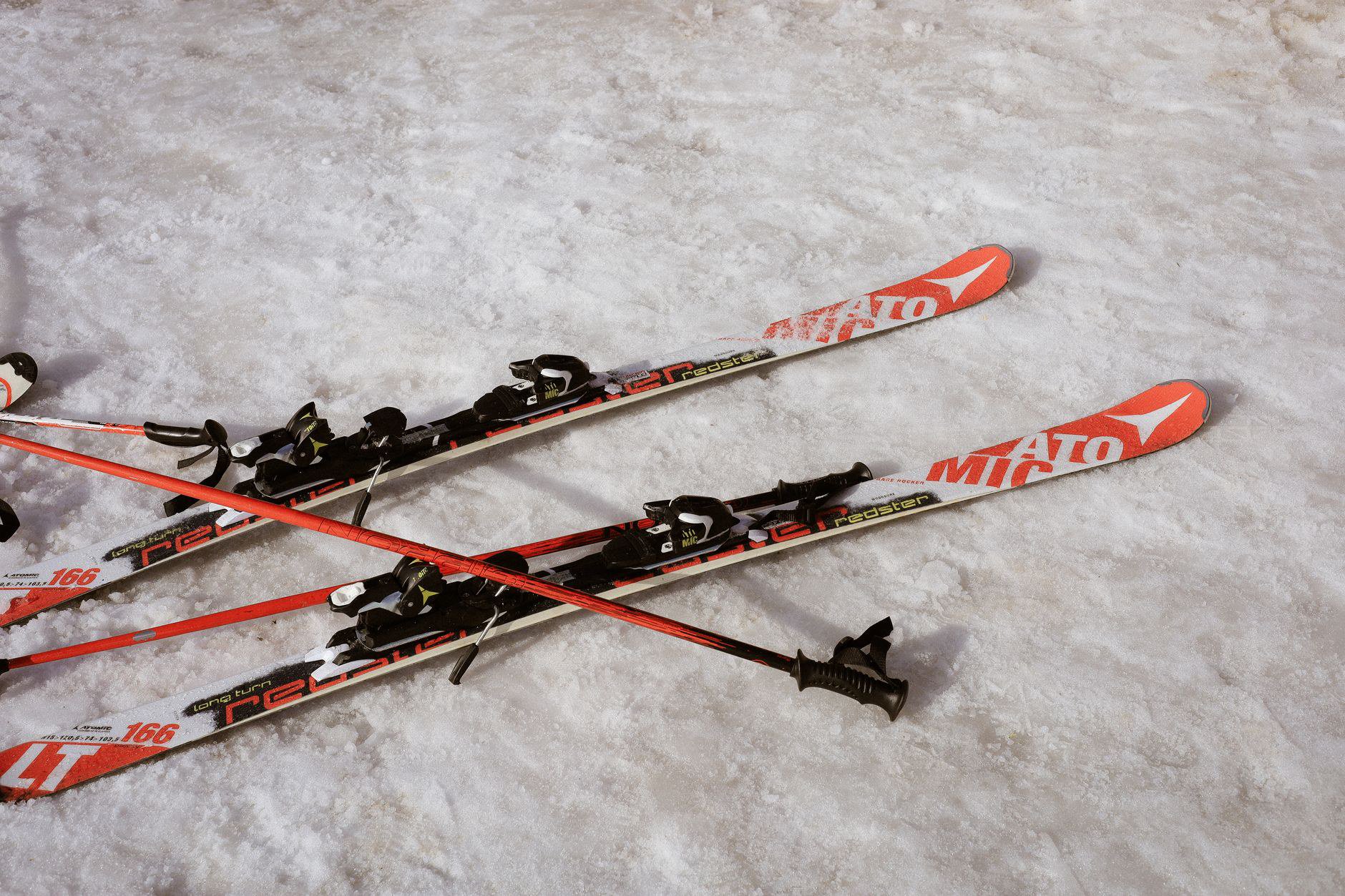
Selling gear online: own shop vs marketplace listing
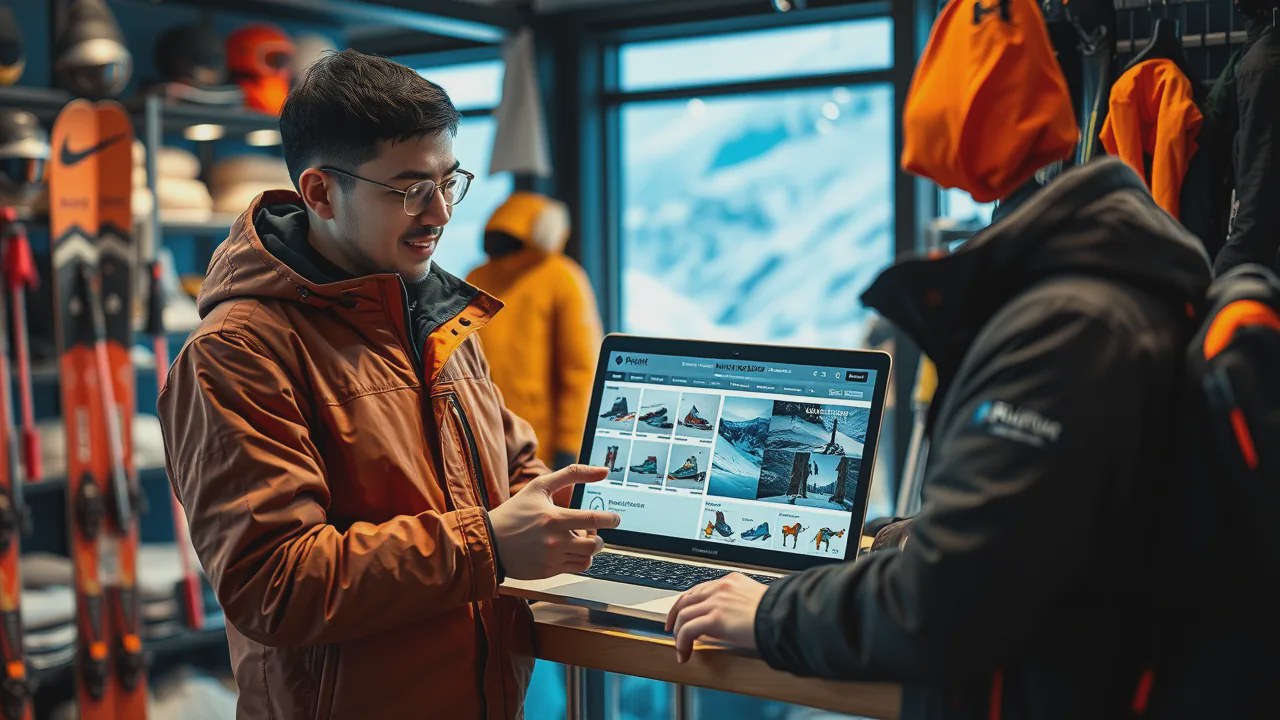
Selling gear online gets serious when a buyer asks for a close-up of one scratched stanchion. That small mark can turn a clean sale into a return, a chargeback, or a damaged reputation. We have learned to choose the sales channel after inspecting the item, not before. Our field checks draw on a decade of guiding, racing ski bikes, and testing gear in mountain weather.
A marketplace gives us an audience and a familiar checkout. Our own shop gives us control over the story, customer relationship, and future sales. Neither route automatically produces a better payout. The right choice depends on condition, demand, shipping risk, and how much support the gear needs.
Selling gear online starts with the item in your hands

We begin at the workbench. A nearly new pair of goggles is easy to explain and cheap to ship. A used ski bike with a tuned shock, custom mounts, and a scarred frame needs far more context. Channel choice follows that difference.
Condition grades must mean something visible. We avoid loose labels such as excellent when the photos show cable rub or rounded bolts. Our notes separate cosmetic wear from functional wear, then state what we serviced. The site’s gear inspection standards show the level of detail we expect before any listing goes live.
Safety gear receives a harder review. We will not sell a cracked helmet, a beacon with battery leakage, or an airbag pack under an unresolved recall. For bindings, we record model, size range, mounting history, and every included part. A quick sale never justifies hiding a fault.
Serial numbers deserve their own photo, though we may mask the last few digits publicly. We keep the full image in our order file. That record helps with warranty questions, stolen-gear checks, and switch-return disputes. Expensive components need this paper trail.
Marketplaces earn their cut when speed matters

Marketplaces work well for recognizable products with an active pool of buyers. A current fork, common goggle, or sealed set of pedals can attract interest within hours. Selling gear online there reduces the time spent proving checkout credibility. Buyers already know the search filters and trust the payment flow.
We calculate the payout before publishing. Suppose a fork sells for $900 and the total platform charge is 13 percent. That removes $117 before packing materials, promoted-listing fees, or return postage. The advertised price is not the money reaching our account.
A shock listing that looked better than it was
We once prepared a rear shock that photographed beautifully under soft light. The marketplace suggested a strong price based on similar titles. Those comparisons ignored service history and tune code. One blunt photo of the shaft and a clear rebuild date mattered more than the suggested number.
Comparable listings only help when the specification matches. We check wheel size, travel, axle standard, spring rate, and model year. Our hands-on gear reviews provide useful context for performance differences that a product title cannot show. Sold prices matter more than ambitious asking prices.
A marketplace is also useful for testing demand. We can list one or two units, watch serious questions, and learn the buyer’s vocabulary. We do not treat views as purchase intent. Saved listings, detailed fit questions, and sensible offers carry more weight.
Your store owns the relationship and the chores

An independent shop gives us room to explain specialized gear properly. Selling gear online from our store reverses the marketplace trade: more control arrives with more operational work. We can publish setup notes, compatibility diagrams, service records, and riding footage beside the product. The checkout also stays free from competing listings.
The store has to earn trust from a cold start. Clear contact details, return rules, payment security, and real photographs belong near the buying path. When planning that structure, we look at how mona.media approaches sales-site design, then adapt the principles to riders who inspect every technical claim.
Owning the storefront also means owning failed payments, tax settings, fraud review, inventory sync, and support. A processor fee may look lower than a marketplace commission. That comparison misses hosting, apps, maintenance, and the hours spent bringing qualified riders to the page.
Traffic belongs in the margin calculation
A store with no audience is a polished gear room behind a locked door. We budget for product photography, search content, email, and retargeting before celebrating the lower transaction fee. Organic search takes patient work. A technical article must answer a rider’s question, not merely repeat product names.
Search work can also become too automated and lose field credibility. We keep test notes, failure points, and setup numbers in the copy. Teams refining that process can learn more about AI-assisted SEO, while keeping every gear claim under human review.
Customer data changes the second sale
A marketplace usually controls the buyer relationship and limits follow-up. Our store can connect an order with fit guidance, service reminders, and relevant replacement parts. We ask for useful permission, then send fewer messages. A rider who bought a ski bike does not need weekly promotions for unrelated camping gear.
This advantage grows with repeatable inventory. It matters less when clearing one old frame from a garage. Before paying for a custom build, riders should review the provider’s actual commerce work and support scope. They can see more and decide whether that depth fits the operation.
A listing must survive a buyer with a zoom button

Every listing starts with cleaning and inspection, never cosmetic disguise. Dirt can hide cracks, yet glossy dressing can hide seepage around seals. When selling gear online, an omitted flaw travels farther than a polished description. We use neutral light and a plain background.
For a ski bike, we photograph both frame sides, welds, mounts, runners, shock, controls, and contact points. We add a ruler beside deep scratches. The product description then follows a stable order:
- Exact model, year, size, and included hardware.
- Measured dimensions rather than a copied catalog chart.
- Service dates, replaced parts, and the technician’s invoice when available.
- Every known fault, including noise that appears only under load.
- Compatibility limits, packing method, dispatch time, and return terms.
- What the buyer will need before the first ride.
Technical buyers notice missing details. If we list a suspension fork, we state steerer length, offset, axle type, travel, and any crown marks. If we list goggles, we name the lens, visible scratches, and included case. For complete machines, our the ski bike buyers guide helps buyers frame the questions before they spend.
Shipping is where neat margins disappear
We price shipping from the packed box, not the bare product. Carriers may charge dimensional weight, which uses package volume instead of scale weight. A light ski-bike frame in a large box can therefore cost more than expected. We enter the final length, width, height, and weight.
A $1,500 component deserves new cardboard, blocked empty space, insured service, and signature confirmation. Moving parts get secured without loading bearings or seals. Small hardware goes in a labeled bag fixed inside the box. We photograph each packing layer before sealing.
Lithium batteries, compressed cartridges, waxes, and some repair chemicals can face carrier restrictions. We check the chosen service before accepting payment. Selling gear online across borders adds duties, brokerage, and customs descriptions to the job. Guessing here creates delays that no apology can fix.
Returns need equally plain rules. We define the inspection window, accepted condition, and who pays return freight. The buyer should know whether installed parts remain returnable. On a marketplace, we align our wording with platform policy because the platform’s rule will govern the dispute.
Our channel rule: match control to selling risk

We use marketplaces for standard gear, demand tests, and inventory that needs a broad audience now. We favor our shop for specialist products that benefit from education, setup support, and a longer customer relationship. High-risk or confusing equipment may appear on both, with identical stock control and no conflicting claims.
A hybrid approach often fits a small operation. Selling gear online across two channels requires live stock control and identical condition notes. Platform rules must allow any path we use. We never slip contact details into messages to bypass a fee after benefiting from that marketplace’s lead.
Before publishing, we run the numbers at the expected selling price. Fees, packing, freight, returns, support time, and advertising all count. Then we ask which channel gives the buyer enough evidence to decide. If the answer is unclear, the listing is not ready.
Selling gear online rewards disciplined honesty more than clever copy. Inspect one item today, document every flaw, calculate the true payout, and choose the channel that can carry that story without gaps. That routine protects the rider, the margin, and our name on the next mountain.