Fitness for Extreme Winter Sports: Build a Ready Body
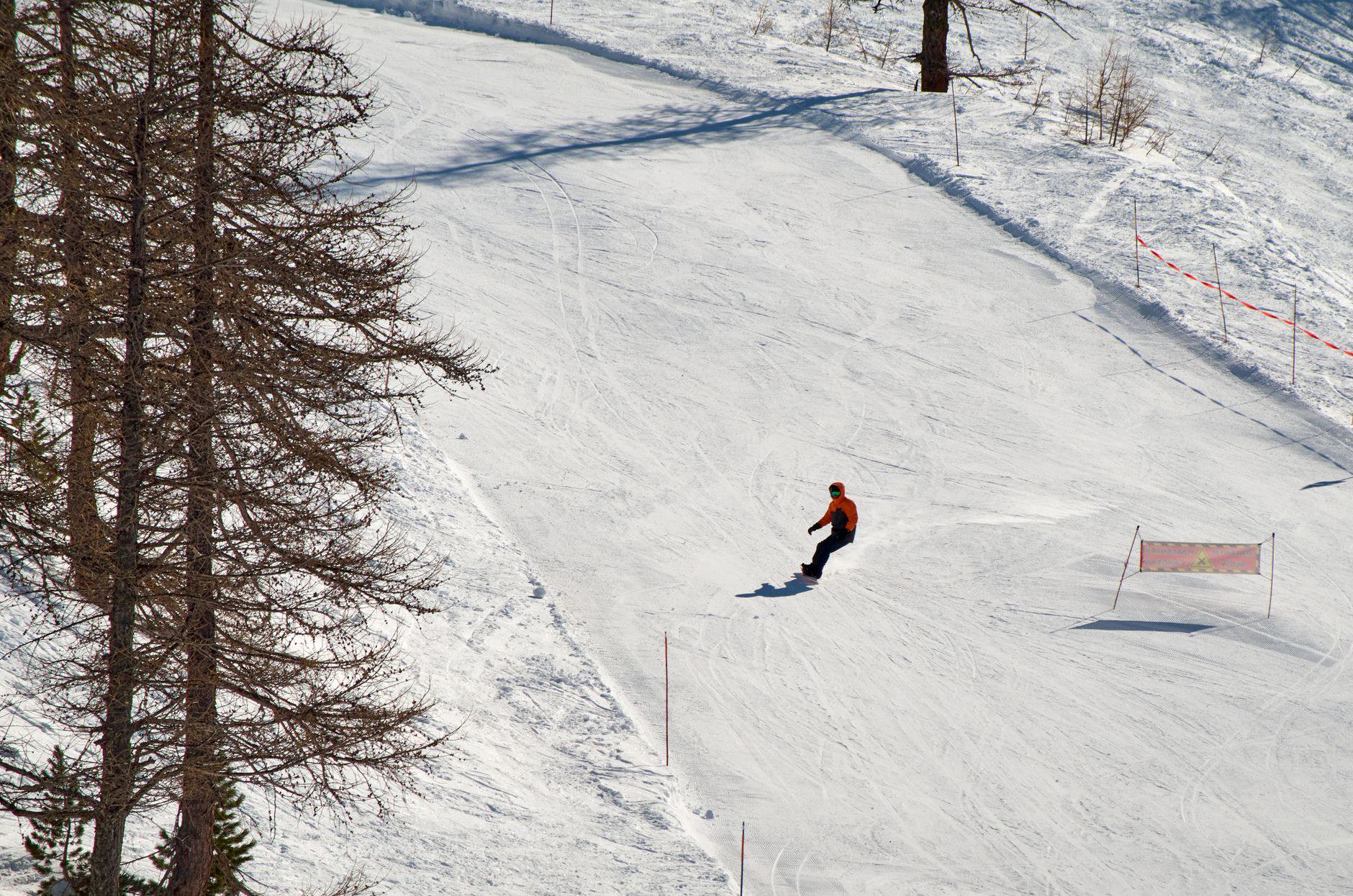
Fitness for extreme winter sports is the ability to stay coordinated after the easy energy is gone. Ski biking, aggressive skiing, snowboarding, and winter backcountry travel all demand more than strong legs. The rider must manage cold, equipment, uneven surfaces, repeated impacts, and decisions while tired.
I train for control rather than exhaustion. A session that leaves me unable to move well for three days may feel hard, but it steals time from skill practice. The useful program builds aerobic capacity, strength, power, mobility, and recovery in a way that supports actual days on snow.
Fitness for Extreme Winter Sports Starts with the Demands
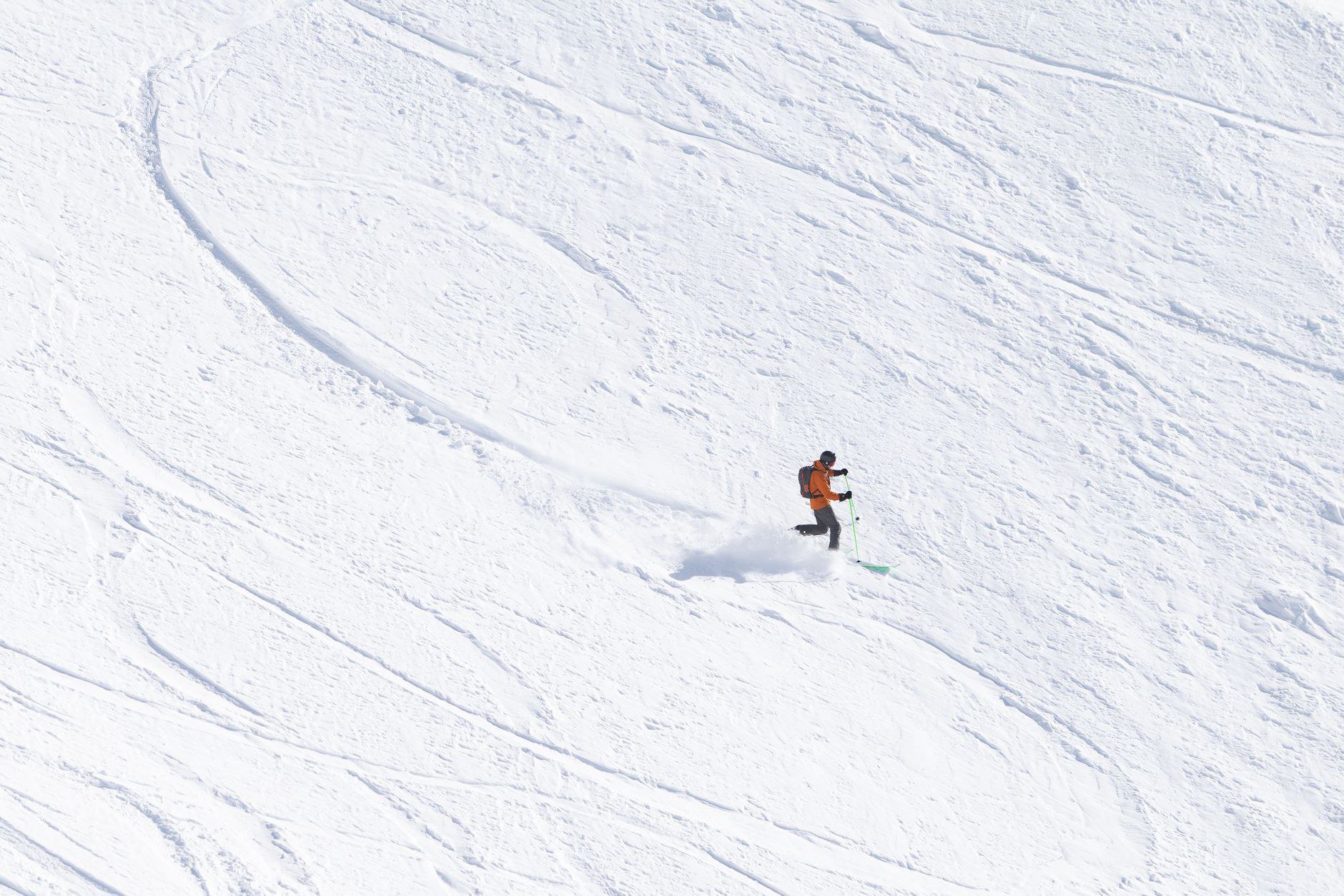
List what the sport asks from you. Resort ski biking includes short intense descents, static grip, leg bracing, and repeated lift cycles. Backcountry travel adds sustained climbing, carrying, transitions, and long exposure. Snowboarding loads the legs differently and demands continuous edge control.
Your training history matters too. A strong cyclist may have excellent aerobic capacity but limited ankle mobility. A lifter may produce force but struggle with repeated efforts at altitude. Train the missing qualities without abandoning existing strengths.
Riders who use cycling as winter preparation can explore mountain bike cross-training for snow sports and adapt the ideas to their own experience.
Build an Aerobic Base Before Chasing Intensity
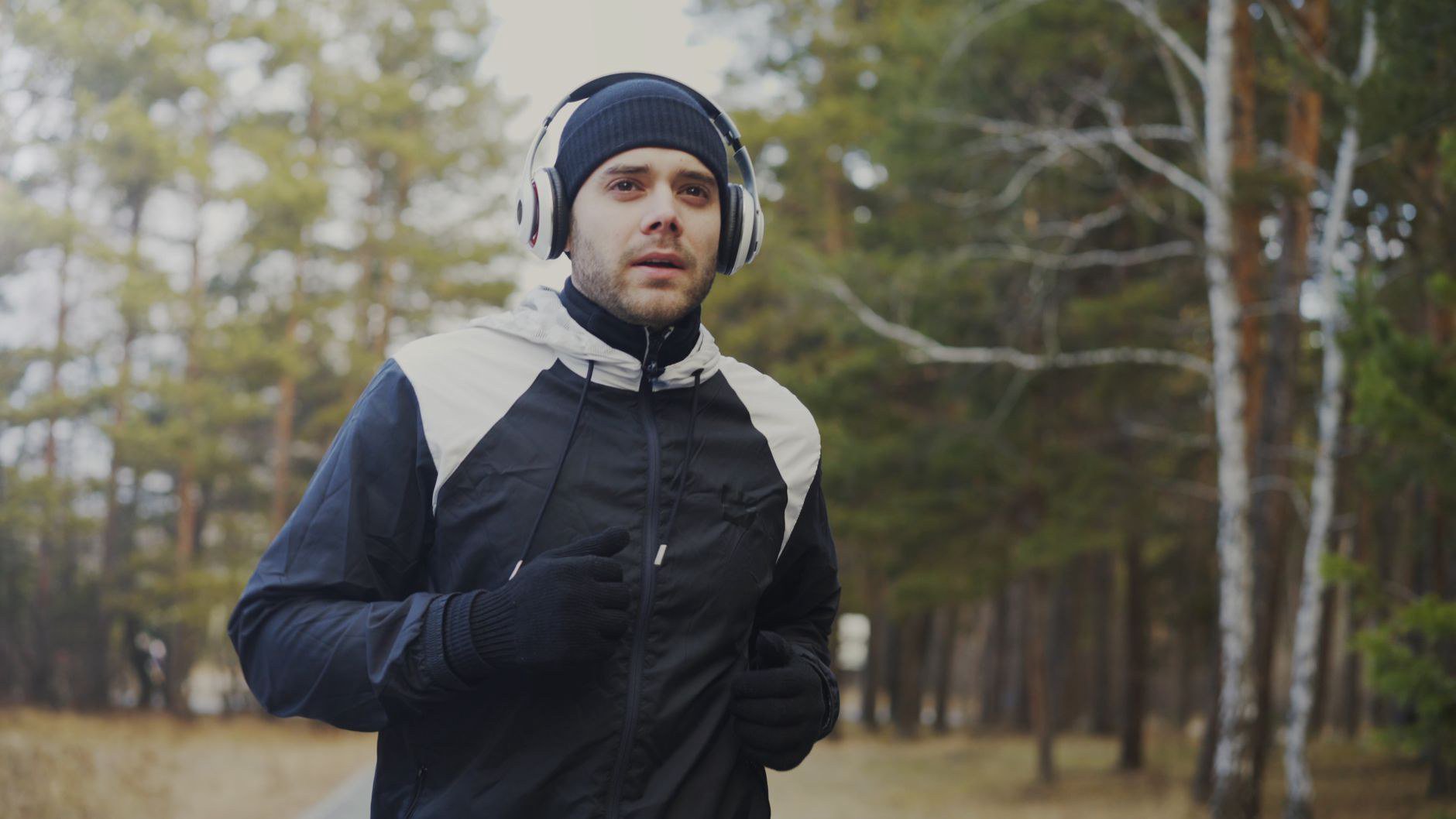
Low-to-moderate intensity work supports long days, recovery between runs, and clear thinking. Hiking, cycling, uphill walking, and easy running can all work when they suit the athlete’s joints and training background.
Keep most endurance sessions controlled. You should finish with enough energy to move normally the next day. Duration can grow gradually as the season approaches.
Aerobic work also helps temperature regulation and recovery between hard efforts. It will not replace strength or snow technique, but it creates the platform for both.
Strengthen the Legs Through Useful Ranges
Squats, split squats, step-ups, hinges, and calf work build force for absorbing terrain and maintaining position. Use ranges of motion you can control. Add load slowly.
Single-leg work deserves attention because winter sports rarely load both sides perfectly. It reveals balance differences and trains the hips to manage rotation. The goal is not to chase soreness; it is to produce stable force repeatedly.
I include slow lowering phases during part of the program. Controlled eccentric work prepares the legs for braking and impact absorption, but it should be introduced carefully because it can create substantial soreness.
Train the Trunk to Transfer Force

The core does not need endless flexion. It needs to resist unwanted rotation, maintain position, and transfer force between the upper and lower body. Carries, presses, rows, anti-rotation exercises, and well-controlled planks can support that job.
On a ski bike, a tired trunk often shows up as locked arms and excessive handlebar input. On skis or a board, it appears as upper-body rotation that disrupts the edge. Train the trunk inside whole-body movements, not only on the floor.
Power Must Stay Clean
Jumps, medicine-ball throws, short hill sprints, and rapid step-ups can develop power. Perform them when fresh enough to move sharply. Stop when landing quality, speed, or coordination drops.
Power sessions do not need many repetitions. The purpose is to express force quickly, not survive a circuit. Athletes new to jumping should learn landing mechanics before increasing height or complexity.
Use sport-specific practice for the final layer. Gym power supports the rider, but only time on snow teaches timing against a changing surface.
Balance Is a Moving Skill
Standing on an unstable object is not the entire answer. Winter balance includes vision, foot pressure, joint position, and rapid correction while the body moves through space.
Single-leg strength, controlled hopping, direction changes, and technical cycling can help. Practice with a stable environment first, then add speed or complexity. Random instability without a clear purpose often trains caution rather than performance.
Mountain bikers can use the drills in our off-season descent training guide to maintain visual focus and dynamic position.
Mobility Should Match the Position
Ankles, hips, and upper back need enough motion to maintain an athletic stance without compensation. Limited ankle movement can push the body backward. Stiff hips can force rotation through the knees or lower back.
Use mobility before training to access the day’s positions. Longer relaxed work may fit after the session or on recovery days. Do not force painful ranges.
Equipment fit can create what looks like a mobility problem. Boots, bindings, stance width, and handlebar position should be reviewed before blaming the body.
Grip and Shoulder Endurance for Ski Bikes
Ski-bike riders often complain about forearm pump. More grip strength can help, but technique and setup are equally important. A rider hanging from the bars will fatigue regardless of hand strength.
Rows, carries, controlled pressing, and moderate grip work prepare the upper body. During riding, keep the elbows free and let the legs support the chassis. Adjust levers and bars so the wrists remain comfortable.
Protective equipment must remain stable without creating tension. Our helmet fit and protection review covers details that also matter during cold-weather cross-training.
Conditioning Should Resemble the Day
Near the season, combine controlled climbs or steady efforts with short technical bursts. A rider might cycle uphill at conversational pace, pause briefly, then complete a short descent-focused effort. This teaches the body to change gears without turning the entire workout into chaos.
Backcountry athletes should also practice carrying equipment and moving in winter footwear. Build load gradually. A heavy pack changes posture and can expose issues that normal gym work misses.
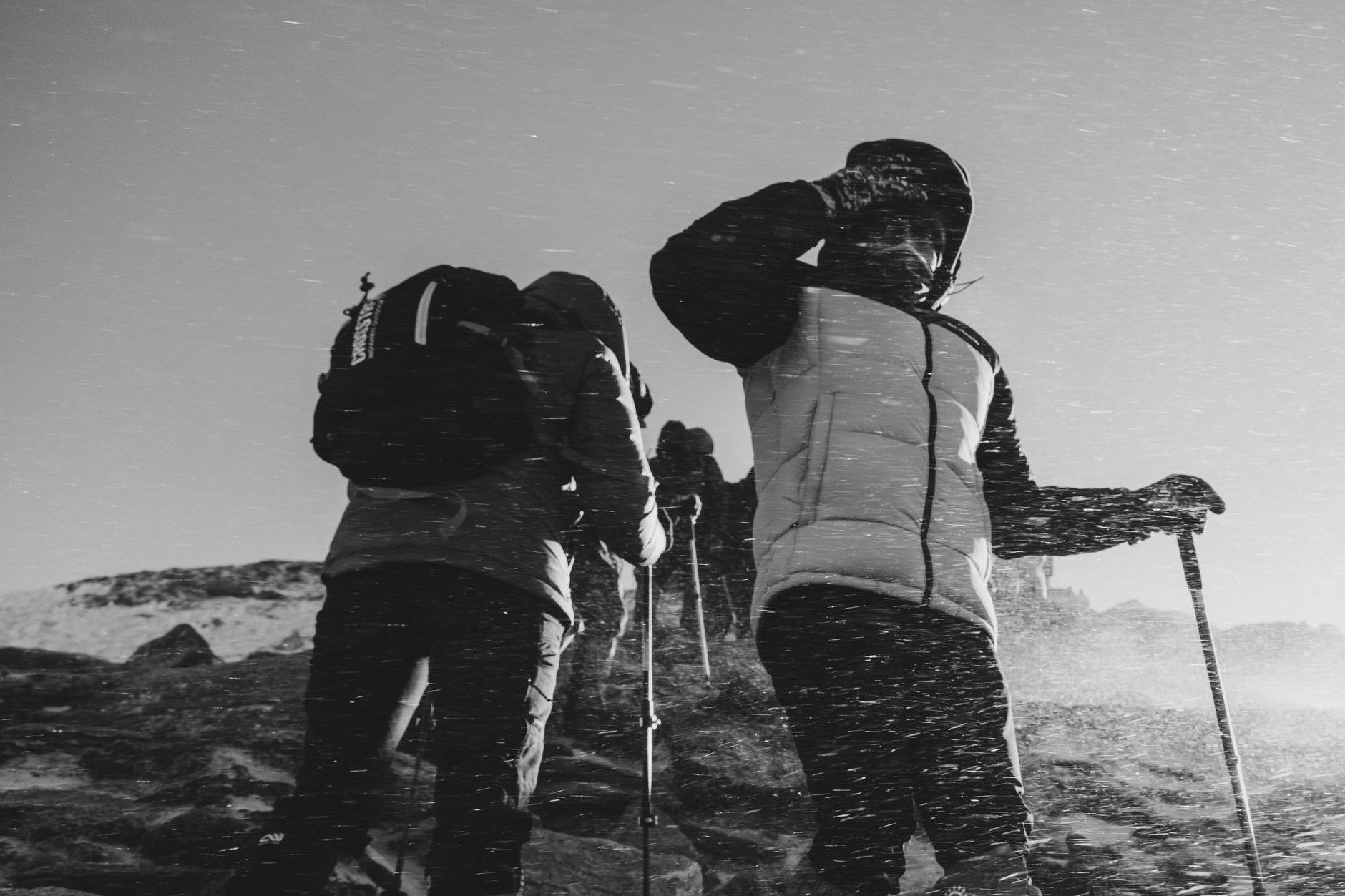
Cold training needs restraint. Warm up properly, protect exposed skin, and choose conditions that allow safe movement. Extreme weather is not a fitness test.
Recovery Is Part of the Program
Adaptation happens between sessions. Sleep, food, hydration, and easy movement support the work. If performance falls across several sessions, mood changes, or normal soreness becomes persistent pain, reduce the load and seek qualified advice when appropriate.
I keep at least one genuinely easy day after demanding snow or strength sessions. Easy means easy. Replacing rest with a secret competition creates stale legs and poor skill practice.
General athletic perspectives from Lakeland FC can complement the plan. Individual medical or injury concerns belong with a qualified clinician.
A Simple Weekly Structure
A balanced week might include two strength sessions, several aerobic sessions of different lengths, one short power exposure, and technical practice. The exact mix depends on training age, schedule, and snow access.
Hard days can be grouped when that creates real recovery afterward. Avoid spreading medium fatigue across every day. Keep one session flexible so weather and actual mountain time can replace the gym.
Progress one variable at a time. Add duration, load, or complexity, not all three together. Track how the body responds rather than following the calendar blindly.
Test the Body Before the Big Objective
Use a controlled mountain day to test clothing, equipment, food, hydration, and pacing. Do not make the first long outing the most remote trip of the season.
Notice where posture fails. Tired legs may cause the rider to sit back. A weak trunk may pull the hands tight. Those clues direct the next training block better than a generic workout list.
Mountain-Ready Means Adaptable
Fitness for extreme winter sports is not one lift, one run time, or one brutal circuit. It is the capacity to move well, recover between efforts, manage equipment, and make sound decisions as conditions change.
Build the aerobic base, train strength through useful positions, keep power sharp, and protect recovery. Then practice in the real environment with appropriate instruction. A mountain-ready body is not merely strong. It remains coordinated when the day becomes cold, rough, and unpredictable.