Best Mountain Bike Helmets 2025: Trail-Tested Picks
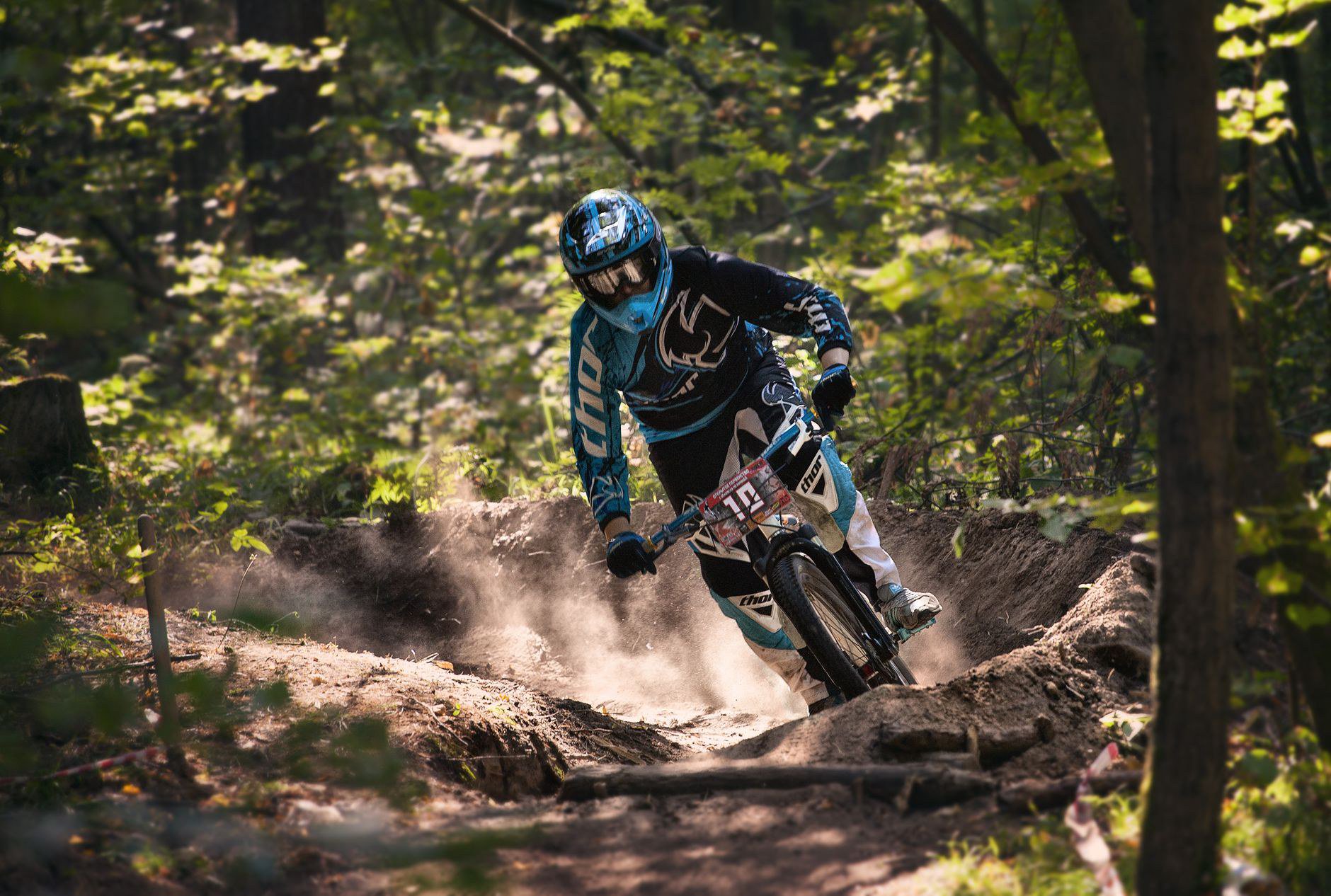
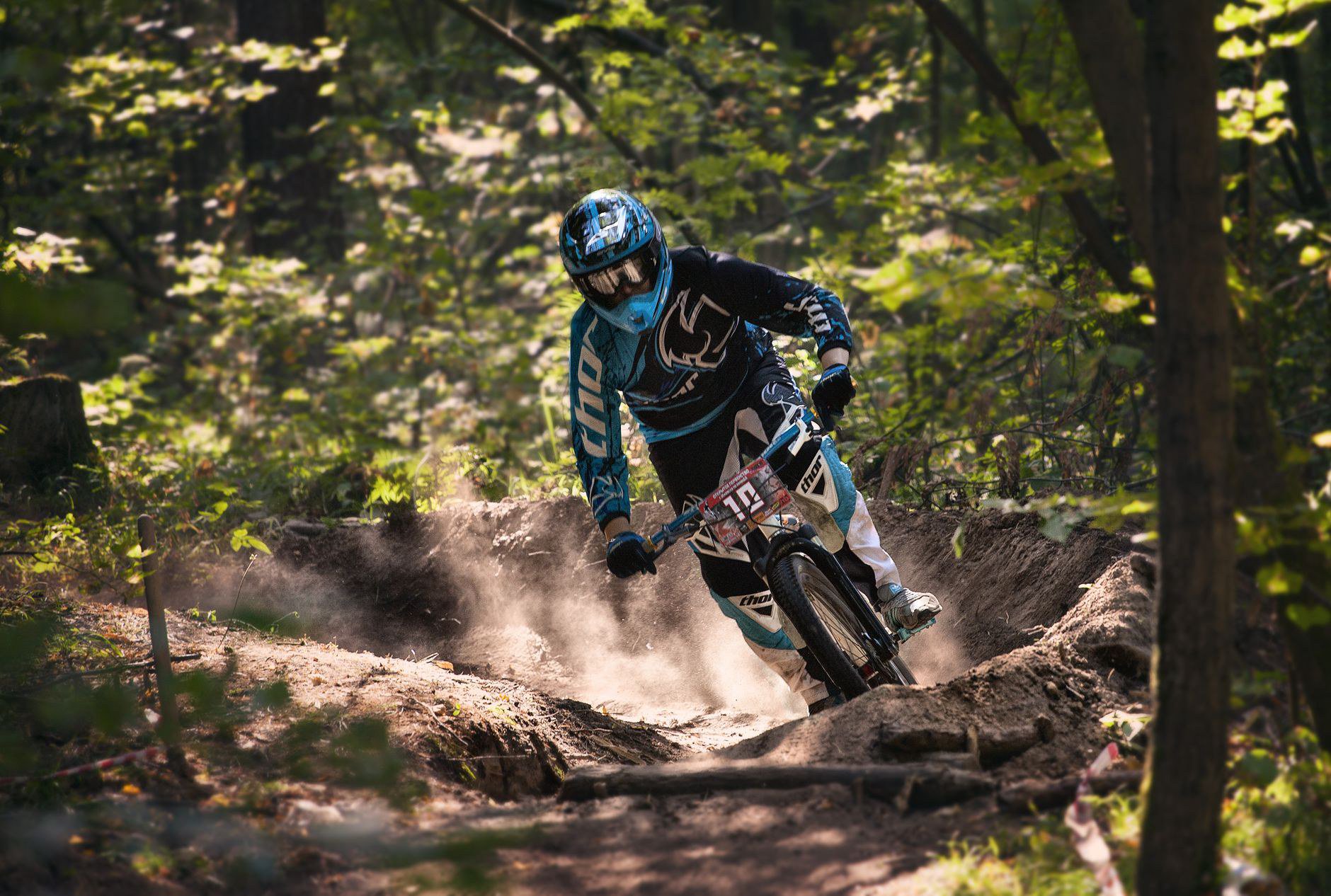
The best mountain bike helmets 2025 are the ones riders forget about until the trail turns ugly. A secure lid should stay centered through roots and compressions, move air on slow climbs, and work with the eyewear you actually wear. Protection comes first, but a helmet that creates pressure points or blocks vision will spend too much time hanging in the garage.
I evaluated these helmets from a rider’s perspective rather than treating feature lists as proof. Fit stability, ventilation at low speed, visor position, goggle clearance, noise, buckle operation, and post-ride care all matter. Laboratory certification remains essential, yet the best model is still the certified helmet that matches your head and stays correctly positioned during a crash.
How We Judged the Best Mountain Bike Helmets 2025
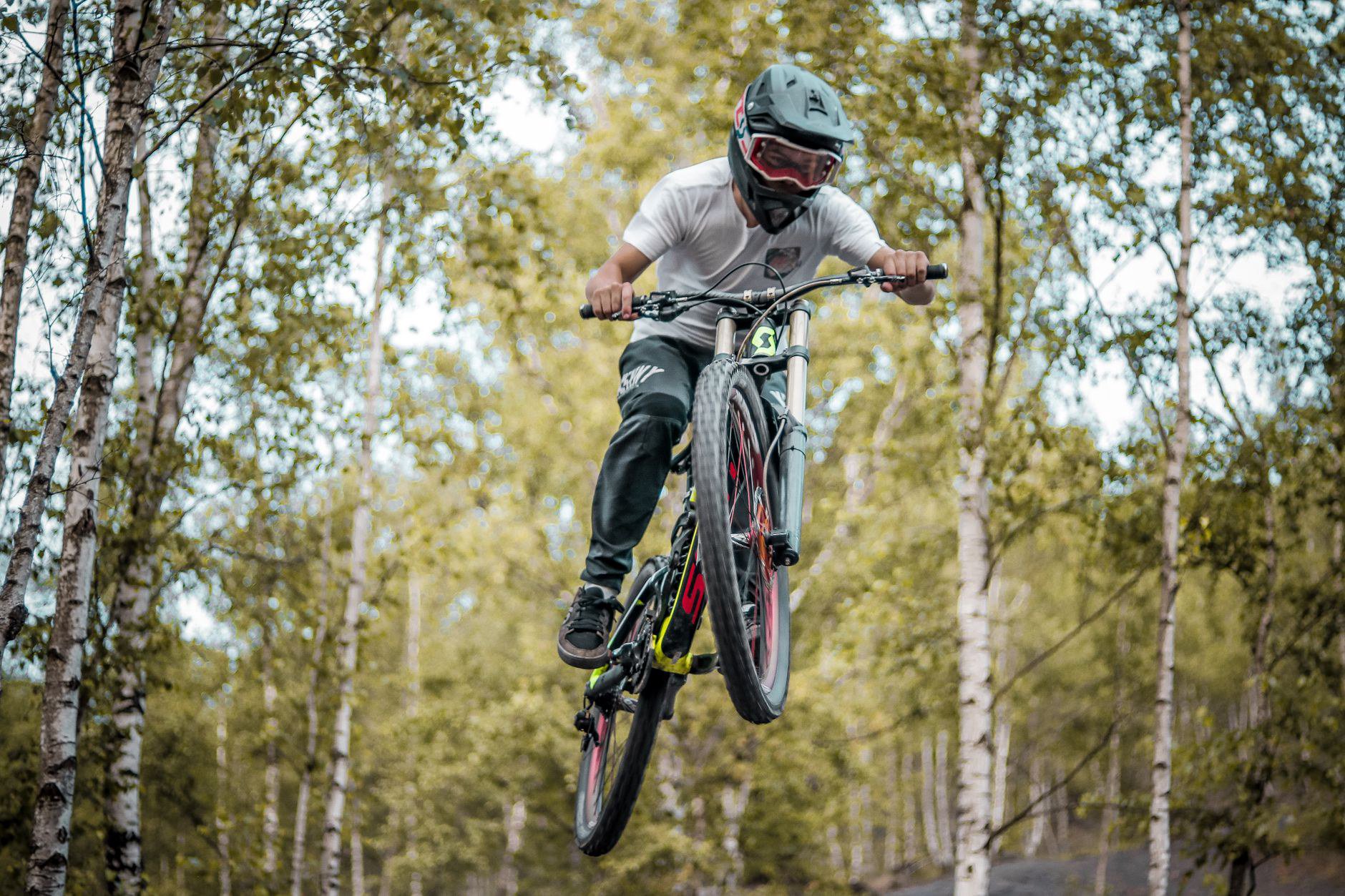
Helmet testing starts before the first descent. I check whether the retention cradle wraps the head evenly, whether the shell rocks when the dial is snug, and whether straps sit flat around the ears. On the trail, I pay attention to brow sweat, wind noise, visor vibration, and movement over repeated rough sections.
Coverage must match the terrain. A light cross-country shell suits long, hot rides with modest technical risk. Extended rear coverage makes more sense for aggressive trail riding. Full-face protection belongs on bike-park laps, enduro stages, and steep lines where the chin and face are exposed.
Riders building one setup for changing conditions should also think beyond the helmet. Our notes on year-round all-mountain equipment explain how fit, storage, and seasonal use affect the rest of the kit.
Rotational Impact Systems Without the Marketing Fog

Many modern helmets include a mechanism intended to manage some rotational motion during an angled impact. MIPS uses a low-friction layer in several forms. Giro’s Spherical construction allows two foam shells to move relative to each other. Other brands use their own structures or material zones.
No label makes a rider crash-proof, and systems cannot be compared by name alone. The complete helmet still needs to fit correctly and meet the relevant safety standard. A loose shell may shift before impact. An overtightened retention system creates pain and can encourage the rider to loosen it too far during the day.
I look for quiet, unrestricted movement. Some older slip liners caught hair or creaked against the shell. Better integrations are almost invisible in use. That matters because distraction is not a safety feature, no matter how impressive the technology sounds.
Giro Manifest Spherical: Best Premium Trail Fit
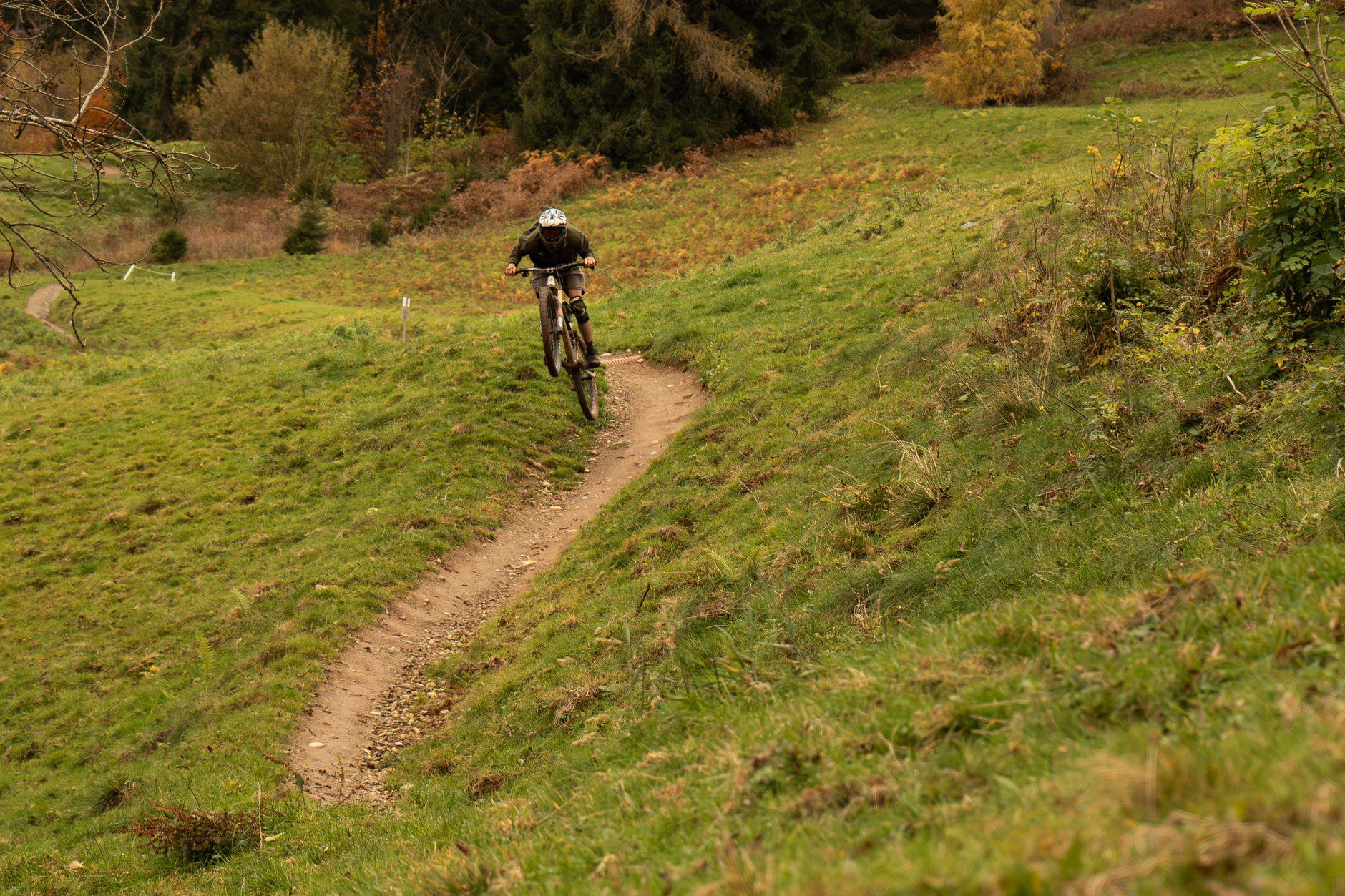
The Giro Manifest Spherical remains a strong premium trail choice because its protection system does not ruin comfort. The two-layer construction feels composed rather than bulky, and the internal channeling moves air well once the bike is rolling. The retention cradle gives useful vertical adjustment, helping the shell sit low without interfering with glasses.
On rough trail, the Manifest stays quiet and stable. The visor offers enough range for eyewear storage, although riders with very large goggles should test the combination before buying. The price is high, and replacement pads are worth sourcing at the same time as the helmet.
This is the model I would choose for long technical trail rides where climbing ventilation matters as much as descending coverage. It feels refined without turning into a delicate showpiece.
Fox Speedframe Pro: Balanced Protection for Daily Trail Riding
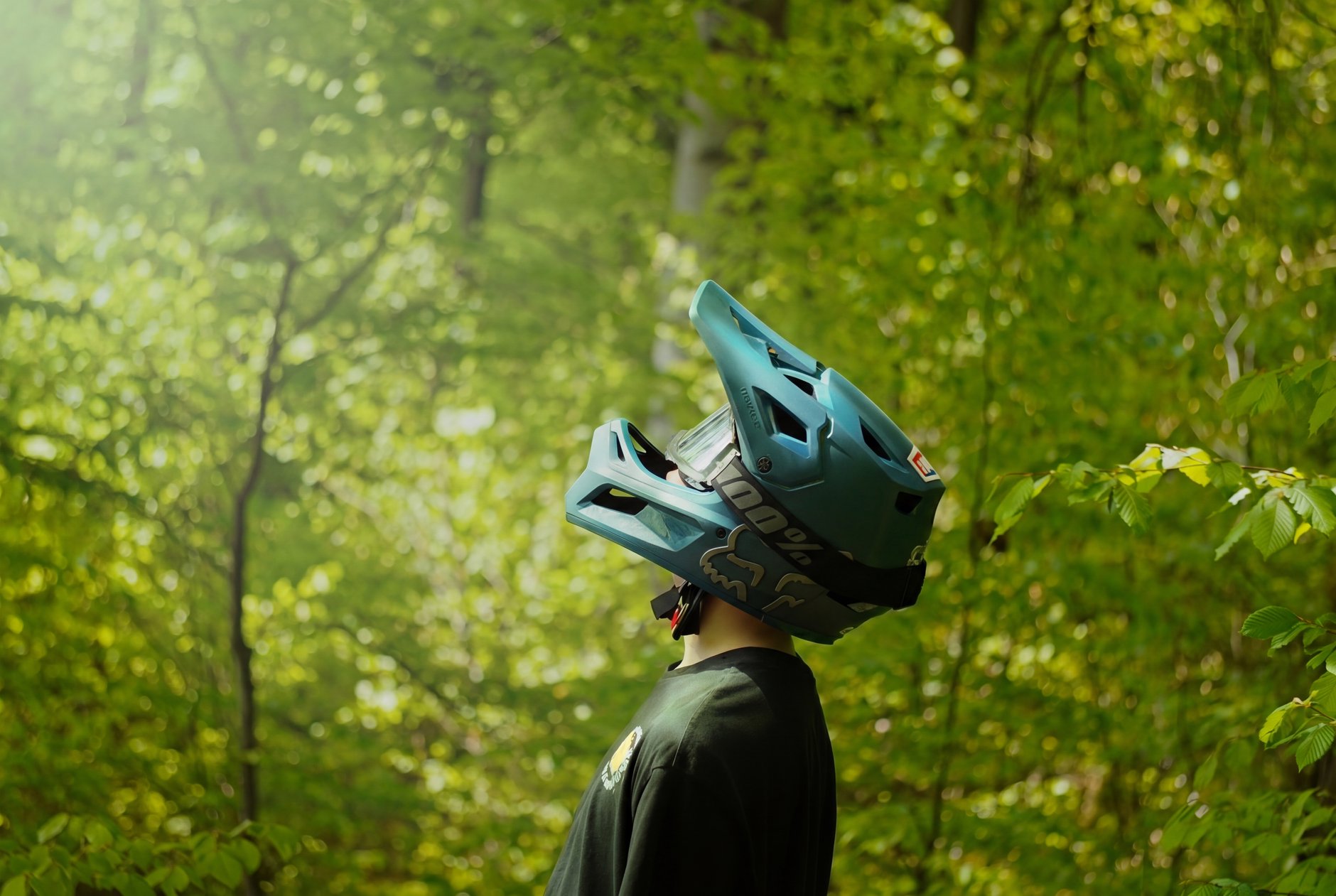
The Fox Speedframe Pro is an easy recommendation for riders who want deep trail coverage without full-face weight. Its shape works for many medium-round heads, and the retention system is simple to adjust with gloves. Airflow is strong enough for steady climbing, though the Manifest feels slightly calmer and more open around the brow.
The visor integrates naturally with trail glasses and compact goggles. The shell does not feel excessively wide, which helps in tight wooded terrain where branches regularly brush the rider. Padding absorbs sweat well but needs frequent washing in hot weather.
Choose the Speedframe Pro as an everyday helmet for trail and light enduro use. It is less specialized than the most ventilated cross-country lids and less protective than a true full-face, but its middle ground is useful rather than compromised.
Specialized Tactic 4: Strong Value with Deep Coverage
The Specialized Tactic 4 offers substantial rear and side coverage at a price below many flagship helmets. The shape is generous around the temples, and the fixed visor removes one adjustment point. Some riders appreciate that simplicity; others will miss the ability to lift the visor for goggle storage.
Ventilation is respectable on rolling trail. During slow exposed climbs, it feels warmer than the premium Giro, but not suffocating. The cradle holds securely when the shell shape matches the rider. This is why trying it on matters: value disappears if the helmet creates a pressure line across the forehead.
For riders allocating a limited gear budget, the Tactic 4 leaves money for gloves, eyewear, and maintenance without dropping into an unknown no-name shell. I would use it for trail riding, commuting on a capable e-bike, and as a dependable spare.
Fox Proframe RS: Lightweight Full-Face Control
The Fox Proframe RS targets aggressive riders who want downhill-style face coverage with more ventilation and adjustability than a traditional park helmet. Its retention dial helps stabilize the shell, something many fixed-fit full-face designs lack. The chin bar is permanent, so there are no connectors to inspect before each descent.
Climbing in any full-face helmet remains hotter than riding in a half-shell. The Proframe RS reduces the penalty but does not erase it. On exposed fire roads, I still manage effort and remove eyewear when safe. During descents, the wide eye port preserves peripheral vision and works with most goggles.
This helmet suits enduro racing, bike-park days, and riders who regularly commit to drops or high-speed rock gardens. For mellow local loops, its extra bulk is unnecessary.
Bell Super Air R: Convertible Versatility with Conditions
A convertible helmet solves a real problem for riders who pedal long climbs before technical descents. The Bell Super Air R allows the chin bar to be removed for ventilation and reattached before dropping in. The conversion is straightforward after practice, but every connection point must be checked deliberately.
The open-face mode feels lighter and cooler than carrying a standard full-face on the head. With the chin bar installed, the helmet offers more facial coverage, yet riders should verify certification and intended use against their terrain. A convertible is not automatically equivalent to a dedicated downhill helmet.
I like this format for big trail days with sustained climbing and one or two serious descents. I prefer a permanent full-face for repeated park laps, where maximum simplicity and robust construction outweigh the benefit of conversion.
Fit Matters More Than the Review Ranking
Head shape decides whether a highly rated helmet works. Place the helmet level, roughly one or two finger widths above the eyebrows. Tighten the retention dial until the shell stays centered without creating a headache. Then shake your head before fastening the chin strap. Excessive movement indicates the wrong size or shape.
Adjust the side splitters so the straps form a clean V around each ear. The buckle should allow normal jaw movement while remaining close enough that the helmet cannot roll backward. Test the exact glasses or goggles you ride in. Temple arms trapped beneath the cradle become painful within an hour.
Winter cross-training adds another layer. Riders moving between bikes and snow should understand that seasonal disciplines may require different certified equipment. The discussion on transferring downhill skills to ski bikes is useful, but a mountain bike helmet should not be assumed suitable for every snow activity.
Ventilation, Eyewear, and Trail Visibility
Vent count alone does not predict cooling. Internal channels need a clear intake and exhaust path. Hair, caps, and poorly placed pads can restrict that path. At climbing speed, broad front openings and space above the brow matter more than tiny decorative vents.
Eyewear should sit naturally without lifting the helmet. A visor that adjusts upward helps store goggles between descents. For winter or freezing spray, pairing the correct helmet with goggles built for cold high-speed riding prevents gaps and pressure points.
Bright shells improve visibility in dull forest conditions, but color does not replace trail awareness. I prefer matte or lightly textured finishes because minor scratches are less obvious after transport and branch contact.
When a Half-Shell Is Not Enough
A half-shell is ideal for cross-country and ordinary trail riding where ventilation and low weight dominate. Move to a full-face when speed, airtime, rock exposure, or consequence rises. Riders should not wait for a serious crash to admit that their terrain has changed.
Convertible designs fill the space between categories, but they add hardware and decision-making. If the chin bar stays in the car when the technical descent begins, it provides no benefit. Permanent full-face helmets remove that choice and are my preference for lift-served riding.
Helmet Care and Replacement
After wet or dusty rides, rinse the shell and pads with mild soap and cool water. Let everything air-dry away from direct heat. Solvents, harsh cleaners, and a hot vehicle interior can damage materials or adhesives.
Replace a helmet after a significant impact, even when the outside looks acceptable. Foam can compress internally without an obvious crack. Also replace any helmet with damaged straps, a compromised buckle, loose shell sections, or deteriorated foam.
Age recommendations vary by manufacturer and use conditions, so follow the maker’s instructions rather than a universal countdown. Sweat, ultraviolet exposure, transport damage, and storage heat all affect service life. A helmet used daily in harsh conditions deserves closer inspection than one stored carefully and worn occasionally.
Which Helmet Should You Buy?
The Giro Manifest Spherical is my premium trail pick for riders who prioritize ventilation and refined fit. The Fox Speedframe Pro offers a strong daily balance. The Specialized Tactic 4 is the value choice when its head shape fits. For full-face protection, the Fox Proframe RS suits aggressive riding, while the Bell Super Air R works for pedal-heavy days that still include technical descents.
Use those recommendations as a shortlist, then trust the fit test. Wear each candidate for at least ten minutes. Add your eyewear. Move your head aggressively. A helmet that pinches in the shop will not improve three hours into a ride.
Protective habits matter across every sport, and broader training perspectives from Lakeland FC reinforce the value of consistent preparation. On the trail, that preparation begins with a certified helmet that fits, remains stable, and suits the consequences of the terrain you choose.