Top 5 Common Mistakes With Extreme Winter Sports
Most of the serious problems we see on the mountain don’t start with the terrain. They start with habits people bring up the lift: skipping a quick gear check, pushing past their real level, ignoring the forecast, not preparing their legs, and going out alone with no plan. We’ve seen the same handful of mistakes season after season, and nearly all of them are avoidable with simple routines.
The five mistakes, answered directly
Here’s the short version before we get into it:
- Skipping the gear check
- Pushing past your real skill level
- Ignoring weather and snow warnings
- Underestimating physical preparation
- Heading out alone without a plan
How we picked these five
This isn’t a number pulled from a database. It comes from years of riding with first-season riders and talking to the instructors who end up helping them after a bad fall.
We ranked the mistakes on three things: how often beginners run into them, how serious the outcome can be, and whether a simple habit can prevent them. Think of it as a ranking built from time on snow, not from a lab.
Skipping the check that keeps you attached to your gear
Plenty of riders assume rental or borrowed equipment is set up correctly. Often it isn’t. Bindings decide when your gear releases in a fall. Set too tight, and a fall can twist a knee. Set too loose, and the ski or board can come off on a jump you never meant to take.
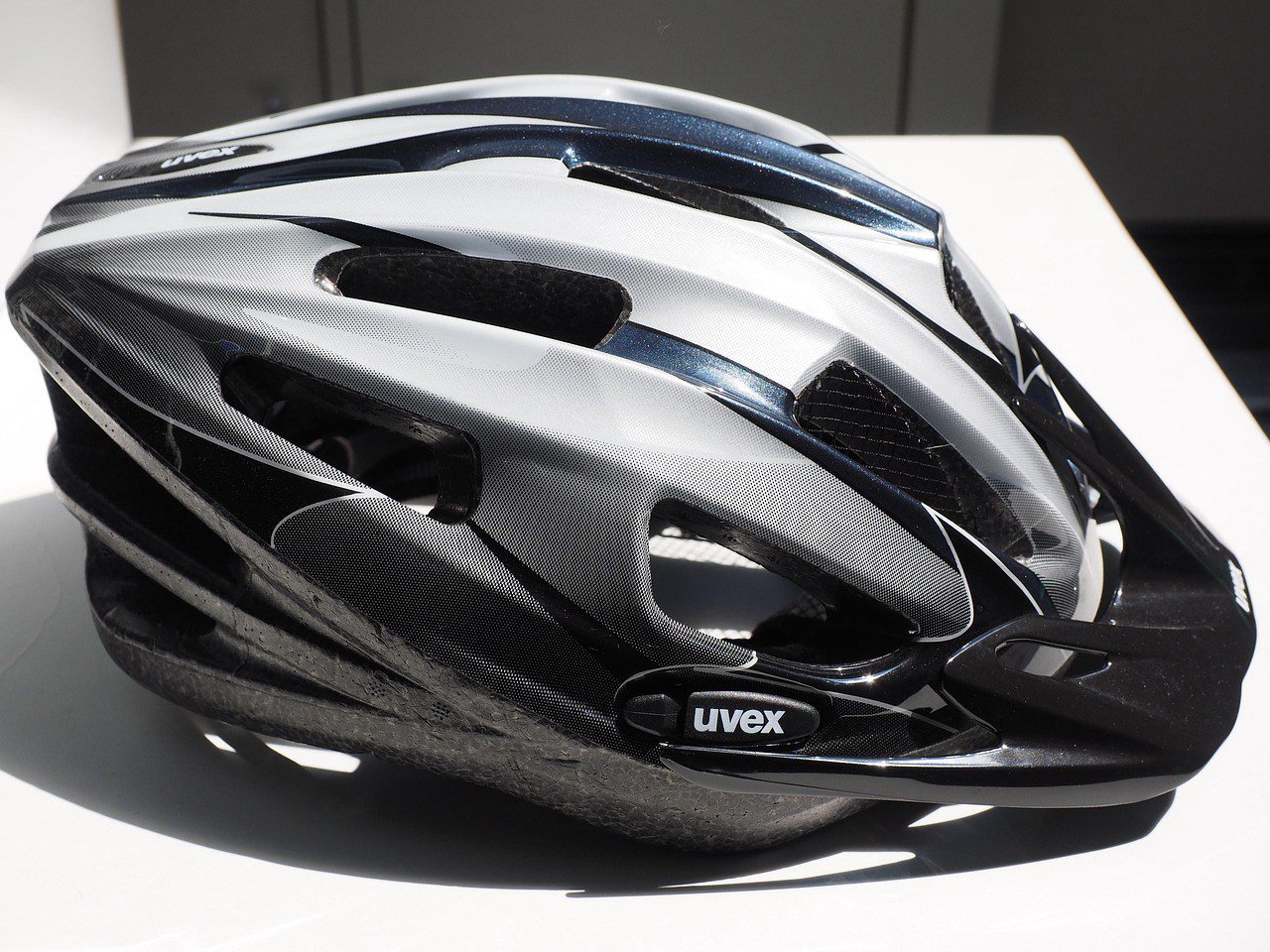
Before your first descent, check the binding release settings, helmet fit, protective pads, and the condition of brakes or edges. A helmet should sit level and stay put when you shake your head. Have a qualified technician confirm release settings, since they depend on body weight and skill level.
When the slope looks easy but isn’t
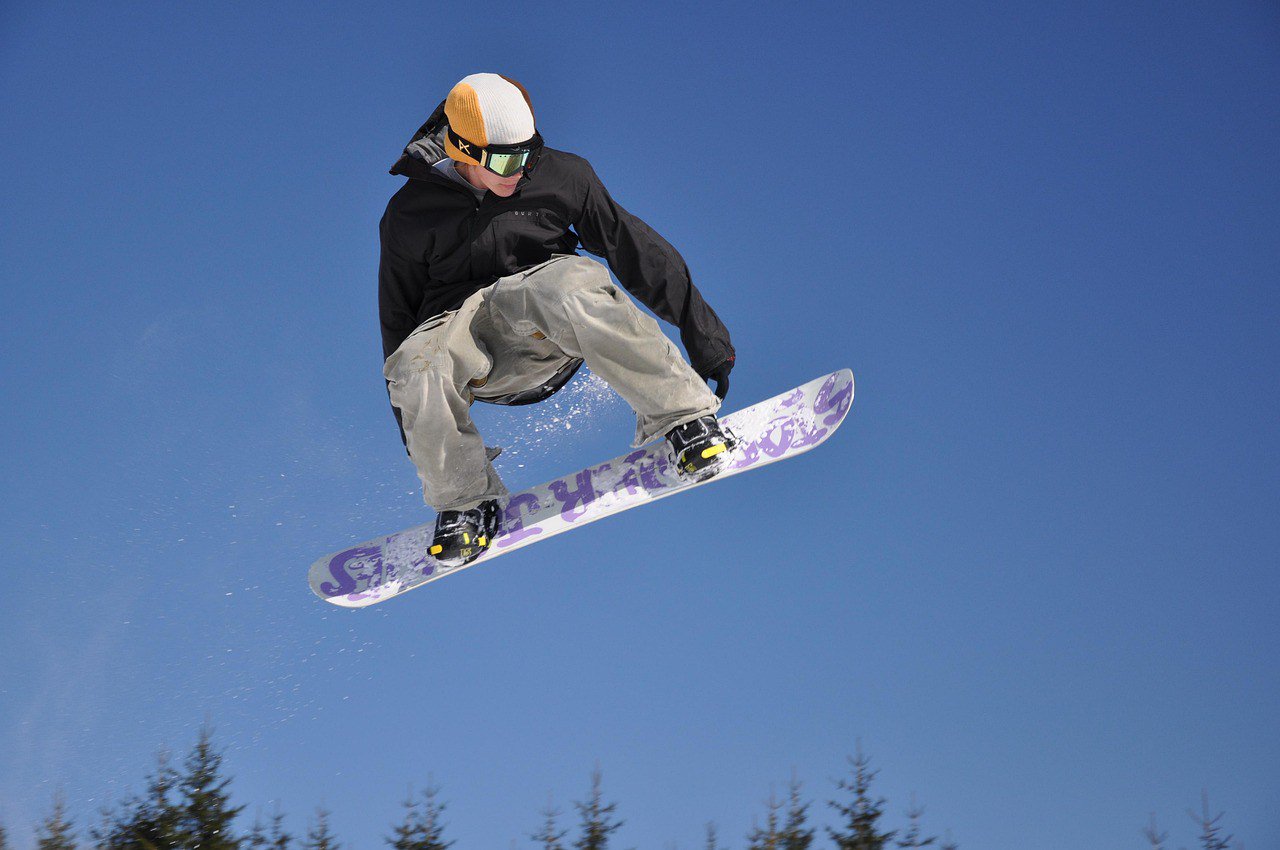
A run that looks gentle from the chairlift can hide steep pitches, icy patches, or sudden drop-offs. Riders who misjudge this usually lose control on icy sections, and that’s where many early falls happen.
Progress one terrain step at a time. Move up only after several controlled runs in a row, not after one good afternoon. Frequent falls or fatigue are signals that you’ve hit your limit for the day.
Treating a warning sign as a suggestion
Fresh snow, wind loading and temperature swings can change slope risk within hours. A warning sign is information you need to act on, and a sunny morning doesn’t change what sits underneath.
Check the forecast, any posted avalanche or hazard levels, and visibility before you leave. Confirm current conditions with the official resort or local authority. On a marginal day, a groomed run is the smarter choice.
Why tired legs cause late-run falls

Fatigue is one of the biggest hidden causes of falls, especially late in the day. Tired legs react more slowly, and tired riders make worse calls on speed and line choice.
- Spend a few weeks on leg and core conditioning before the season.
- Warm up for a few minutes before the first run.
- Take real breaks instead of pushing through the burn.
- Talk to a doctor before starting a new program if you have a health condition.
Going into remote terrain without a plan
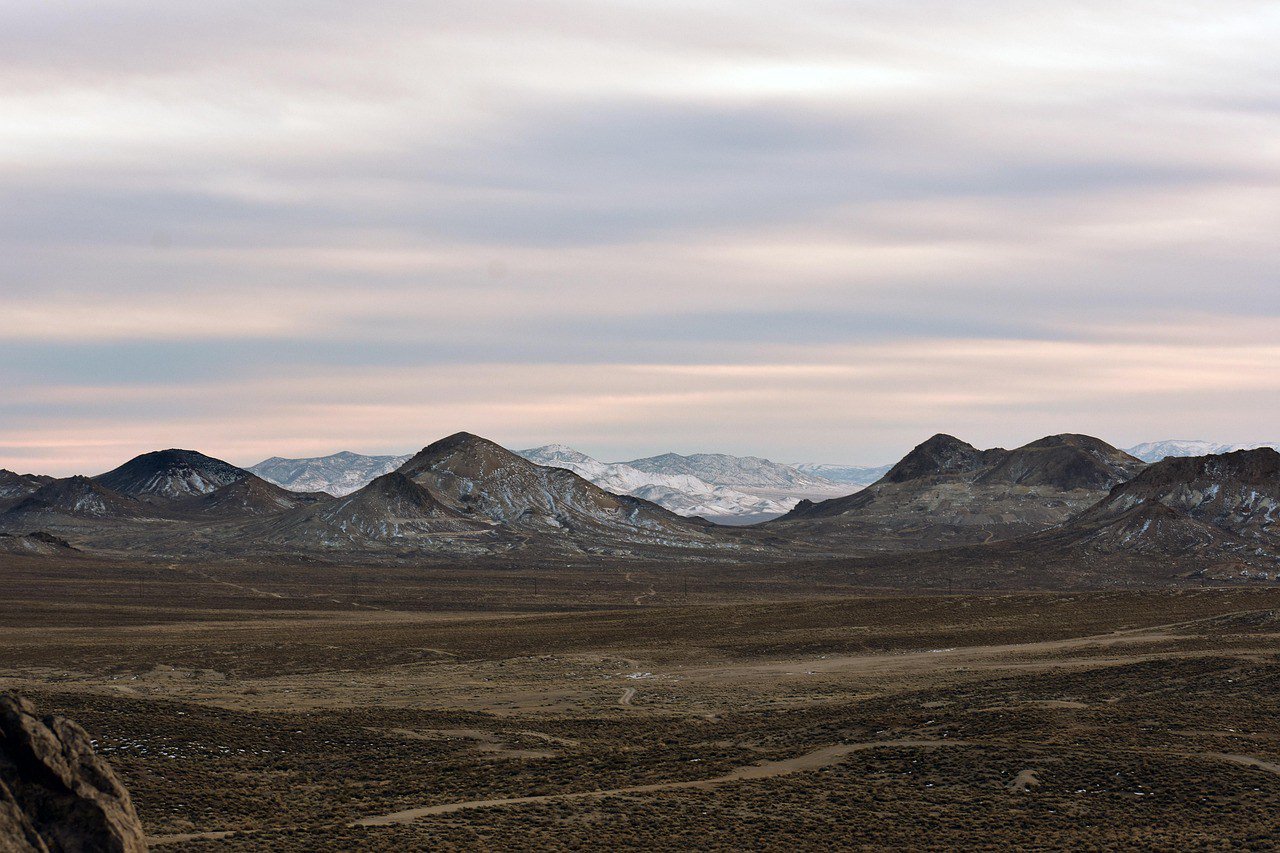
In remote terrain, a minor injury can turn serious quickly if nobody knows where you are. Ride with a partner whenever you can, and share your route and expected return time with someone who isn’t on the trip.
Carry a charged phone, a basic first-aid kit, and enough food and water for an unplanned night out. Don’t count on mobile signal on the mountain. Find out what rescue services the area provides before you go.
How the five mistakes connect
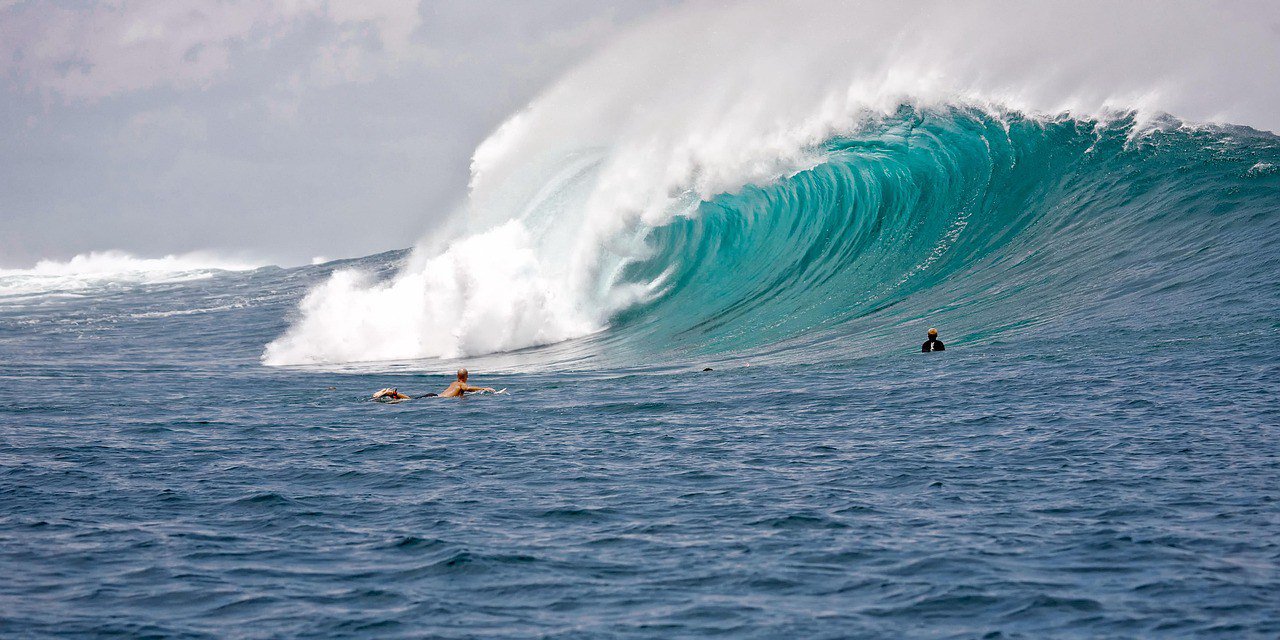
Skipping the gear check and ignoring warnings feel harmless right up until they aren’t. Riding beyond your skill and going alone turn a small slip into a long wait. Underestimating preparation sits underneath the rest, because tired legs make every other mistake more likely.
Questions beginners ask us most
Do I need a lesson before my first run?
For most people, yes. A lesson sorts out your stance, turning and stopping before you reach a steep pitch with people behind you.
How do I know if a slope is too advanced for me?
If you lose control on flat or gently sloping ice, or keep falling on a run you thought you could handle, step back. Ask an instructor to watch you ride before you move up again.
What should I carry on a day trip?
Carry a charged phone, a basic first-aid kit, water, extra layers, a headlamp, and enough food for an unplanned delay. Off the groomed runs, add a written route plan and a way to share your location.
How often should my gear be serviced?
Have bindings checked by a qualified technician at least once each season, and more often if you ride hard or your body weight or skill level has changed. Replace helmets after any significant impact, even if they look fine.
What do I do if I see a hazard warning but the sun is out?
Stay on the lower-risk terrain the warning allows, or pick a different day. The run will still be there next weekend.
Gear and training that help riders stay sharp
Good habits cost nothing, but a well-fitting helmet and goggles that don’t fog are two items we would never compromise on. For structured off-season work, see our guide on mountain biking cross training for winter sports. For the ski-bike side of your season, our notes on common ski bike mistakes and how to avoid them cover many of the same gear and terrain pitfalls.
If you’re weighing up protection, our hands-on take on the best winter goggles for extreme carving explains what we looked for on steep, icy runs. If you’re still choosing a first machine, our realistic picks for your first season come from the same field experience behind this list.
If you’re budgeting for trips and kit, you can also check out Mona Pay.
Our advice for your next ride
If you take only one thing from this list, make it this: check your gear, check the conditions, tell someone where you’re headed, and be honest about how tired you are. Most serious accidents we’ve seen came from skipping one of these on a day that felt routine. Start conservatively, ride with people who know the mountain, and let the terrain earn your progress one run at a time.