Enduro Mountain Biking Training That Works on Race Day
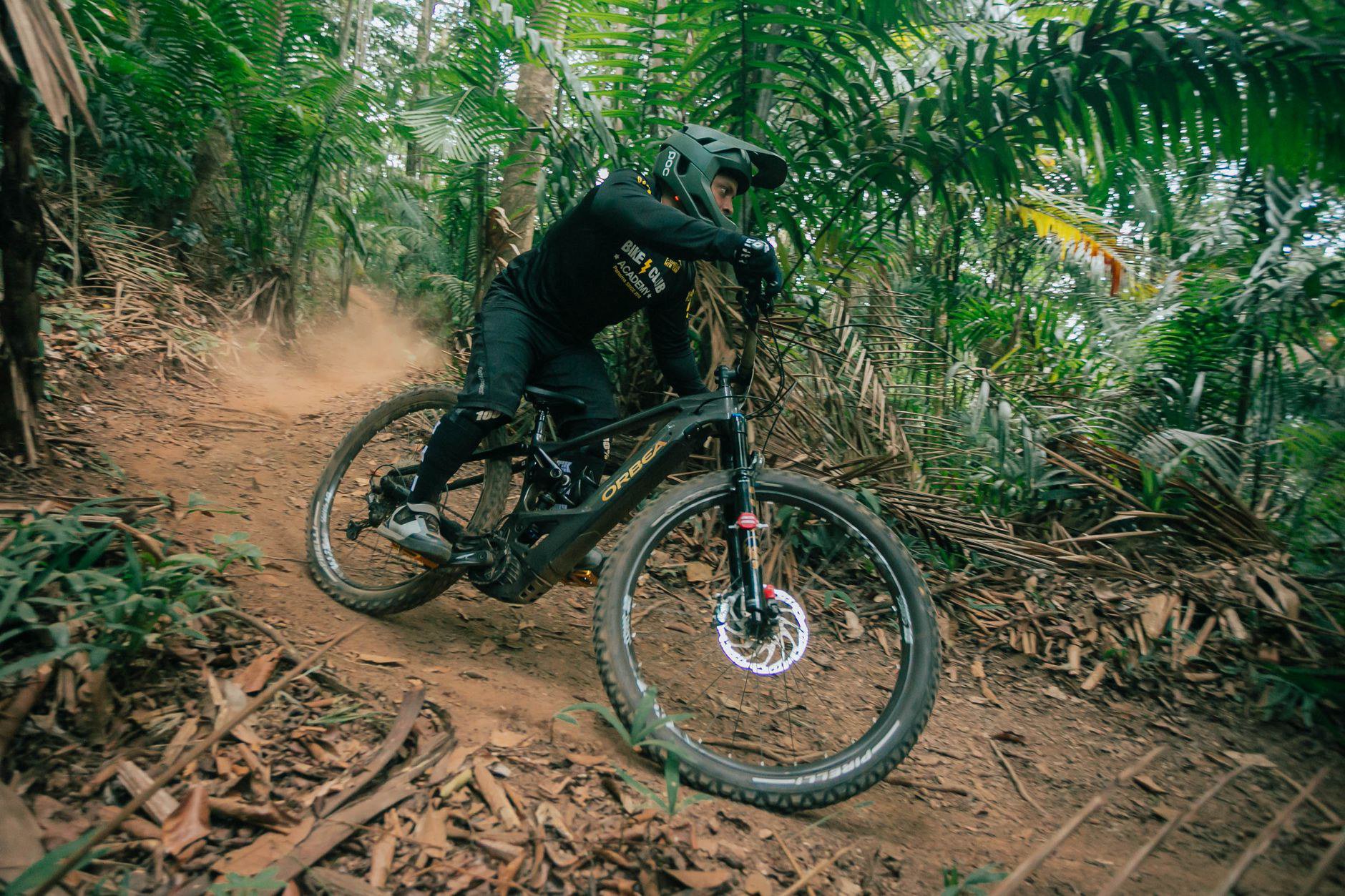
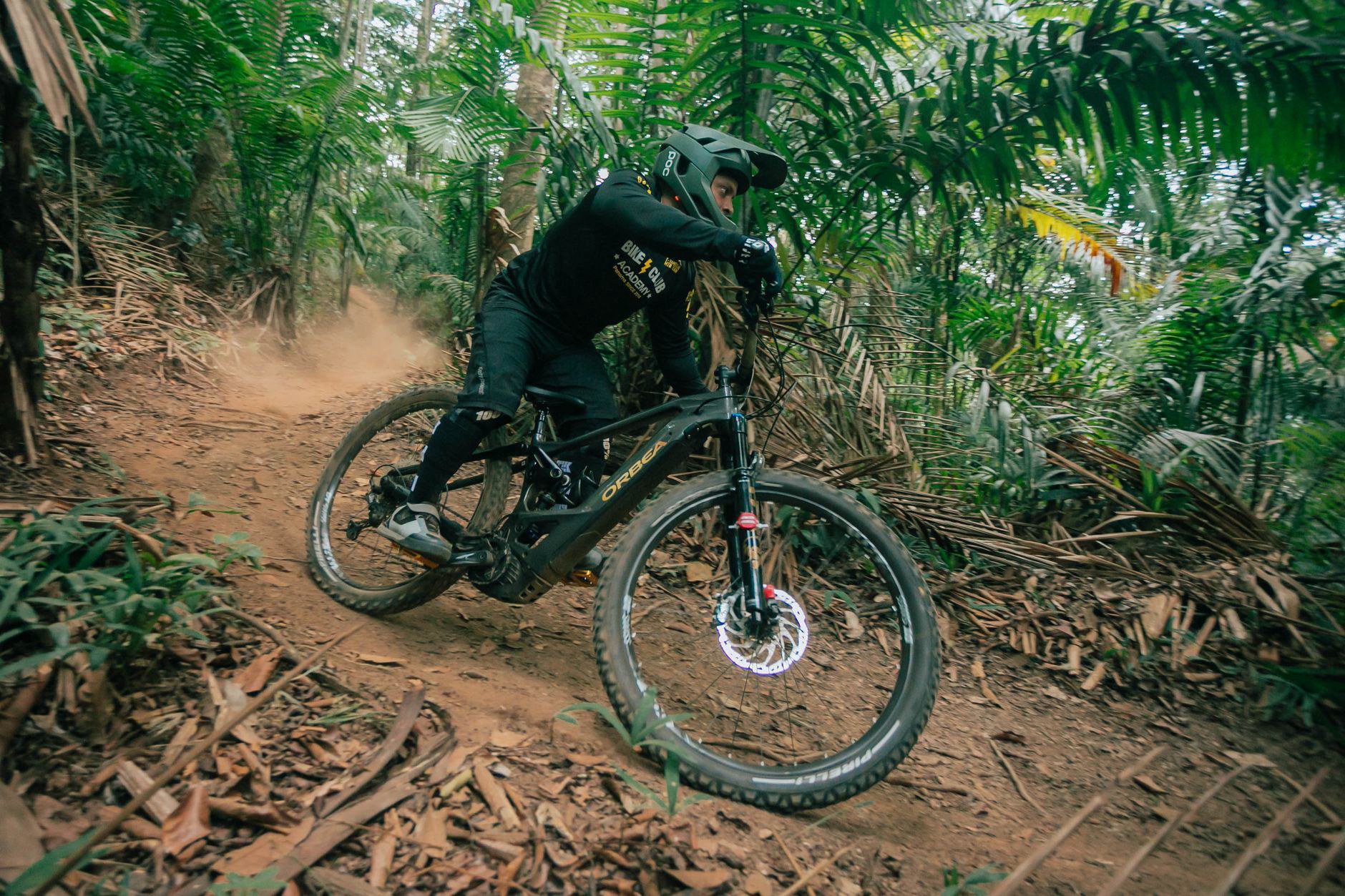
Enduro mountain biking training should make your last timed stage look like your first, even when the legs are dull and the hands are tired. Raw downhill speed helps, but it disappears quickly when liaison pacing, fueling, or bike setup falls apart. The strongest race day comes from repeatable riding rather than one heroic practice run.
I learned this after arriving at a late stage with enough fitness to pedal but not enough focus to ride cleanly. I clipped a familiar inside rock, lost the front wheel, and gave back more time than I had gained all morning. Since then, I train the transitions, decisions, and recovery between efforts as seriously as the descents.
Enduro Mountain Biking Training Starts with the Race Format
Study the event before building a plan. Total climbing, stage length, terrain, altitude, practice rules, and transfer deadlines change the demands. A short local race with punchy stages needs a different emphasis than an alpine event with long liaisons and sustained descents.
Separate what must be fast from what must be efficient. Timed stages reward speed. Transfers reward restraint, steady movement, and problem prevention. Training should reproduce that contrast.
Do not copy a professional schedule without the same training history and recovery time. Add load gradually. Riders returning from injury or managing health concerns should work with a qualified coach or clinician.
Build an Aerobic Base You Can Actually Use
Easy endurance rides are not glamorous, but they let you climb between stages without spending the power needed for racing. Keep the effort controlled enough to speak in full sentences. The exact heart-rate number varies by rider, so use tested zones if available rather than guessing from age formulas.
I prefer steady rides on rolling terrain because they include natural changes in cadence without turning every hill into an interval. The goal is durable movement, not a hidden race against training partners.
Winter consistency matters. Our off-season mountain bike drills offer ways to preserve coordination and strength when regular trail access disappears.
Add High-Intensity Work Without Drowning in It
Enduro stages include hard accelerations, braking, pumping, and repeated efforts above a comfortable pace. One or two focused intensity sessions can prepare those demands, depending on experience and total training load.
A useful session combines sustained hard efforts with full recovery. Another uses short accelerations after moderate riding. Keep the quality high. When body position collapses or power falls sharply, more repetitions usually add fatigue rather than adaptation.
Intensity belongs inside a week that still contains easy rides and rest. I place the hardest bike session far enough from the longest technical day that neither becomes a tired imitation.
Train Technical Skills Before Adding Fatigue
Practice braking points, corner entry, line choice, front-wheel placement, and body position while fresh. Clean movement creates the pattern you want under pressure. Repeating poor form while exhausted only makes the mistake familiar.
Choose a short section with two or three linked problems. Ride it, identify one specific error, and repeat with one change. I might move the braking point earlier for three runs, then compare exit speed. I do not change suspension, tire pressure, and technique at the same time.
Once the line becomes consistent, add a climb before it. That turns a skills session into an enduro-specific rehearsal without needing reckless speed.
Vision Creates Time When the Body Is Tired
Fatigue pulls the eyes toward the front wheel. The rider reacts late, brakes inside turns, and misses exits. Train the eyes to move from entry to apex to exit before the bike arrives.
On unfamiliar stages, scan for shapes rather than individual obstacles. Look for the supportive bank, the calm patch between roots, and the exit that preserves momentum. A line does not need to be shortest if it is easier to repeat.
Cross-discipline riders can sharpen balance and loose-surface awareness through downhill skills adapted for ski bikes, but braking and traction remain specific to each surface.
Strength Training for Position and Control
Enduro strength is the ability to hold good position through repeated impacts. Squats, hinges, split-stance work, rows, presses, carries, and trunk exercises can support that goal. Exercise choice matters less than sound technique and gradual progression.
I use lower repetitions for major strength work and controlled higher-repetition accessories for shoulders, calves, and grip. The gym should improve riding, not leave the legs destroyed for every technical session.
Grip deserves attention, but endless crushing exercises are not the answer to arm pump. Braking technique, lever position, suspension setup, and upper-body tension often matter more than raw hand strength.
Set Up the Bike for Predictability
A race bike should behave the way you expect after several hard stages. Start with measured sag, known tire pressure, and manufacturer baseline damping. Record every setting.
Use tires and casings appropriate to the terrain and rider. The lightest option is expensive if it cuts on the first rock garden. Inserts can add support, but they also change ride feel and repair procedures.
Frame geometry and component choice should suit both climbing and descending. The criteria in our all-mountain bike selection guide help explain why a balanced chassis often races better than an extreme setup that shines only on one type of trail.
Practice Race-Day Equipment, Not Ideal Equipment
Train with the pack, tools, water, eyewear, shoes, and protection planned for the event. Small problems become loud after hours of riding. A strap that brushes the neck on a short loop can become unbearable late in the race.
Check the helmet fit with your goggles or glasses. Protection should remain stable over rough terrain without pressure points. Our review of trail-tested mountain bike helmets explains the fit details that matter beyond a feature list.
Carry tools you know how to use. A spare part has little value if installing it requires equipment left at home.
Rehearse Liaison Pacing
Transfers are where impatient riders waste the race. Ride smoothly, eat, drink, and protect the legs. Keep enough margin to handle a wrong turn, a mechanical check, or a crowded start.
During training, create a loop with an untimed climb and a timed descent. The climb must finish inside a reasonable window without becoming a race. Start the descent after a short pause, as you might at a queue.
This rehearsal exposes poor habits. Some riders arrive early but breathless. Others move too slowly and lose the chance to inspect equipment. The right pace is calm, consistent, and repeatable.
Fuel the Work You Have Planned
Race nutrition should be practiced, not invented the night before. Use familiar foods and drinks that remain easy to consume while moving. The amount depends on duration, intensity, body size, climate, and individual tolerance.
I set reminders early because hunger arrives after performance has already started to fade. Small regular intake works better for me than a large meal during a long pause. Hot weather increases fluid needs, but drinking beyond thirst without regard to electrolytes can create its own problems.
General athletic resources such as Lakeland FC can add perspective on preparation. Race-specific fueling should still be tested in training and adjusted with qualified professional advice when needed.
Train the Mental Reset
Every enduro race contains a mistake. The useful skill is ending the mistake before it reaches the next corner or next stage. I use one slow breath, name the immediate task, and return attention to the trail.
Practice this during training. After a bad line, do not charge blindly to recover imaginary seconds. Rebuild rhythm. A clean lower section often saves more time than an emotional sprint.
Between stages, review only what can change. Tire pressure can change. A loose lever can be fixed. The lost second cannot be recovered in the queue.
Use a Race Simulation Sparingly
A full simulation is valuable because it combines climbing, waiting, repeated descents, fueling, and equipment. It is also tiring. Place it far enough from the event to recover and learn from it.
Use a familiar loop with several distinct descents. Ride transfers at planned intensity. Time stages if that improves focus, but do not chase reckless personal records on public trails.
Afterward, note when hands tightened, vision narrowed, hunger appeared, or setup changed. Those observations guide the final weeks better than a single total time.
Taper Without Losing Sharpness
Reduce fatigue before race day while keeping brief touches of intensity and technical riding. The exact taper depends on the athlete and event. Avoid last-minute fitness tests. They mainly prove that the rider can arrive tired.
Service the bike early enough for a shakedown ride. Fresh pads, repaired wheels, and adjusted suspension need verification. Pack from a written list and check the forecast without rebuilding the entire plan around every small change.
A Repeatable Race Strategy Wins
Enduro mountain biking training works when aerobic fitness, technical skill, strength, setup, fueling, and decisions support one another. A rider does not need to dominate every transfer or win practice. They need enough reserve to ride the final stage with intention.
Start slightly calmer than excitement suggests. Protect the bike, read the trail, and reset after errors. Speed grows from clean repetition. On race day, that dependable speed is worth more than one spectacular section followed by an exhausted mistake.