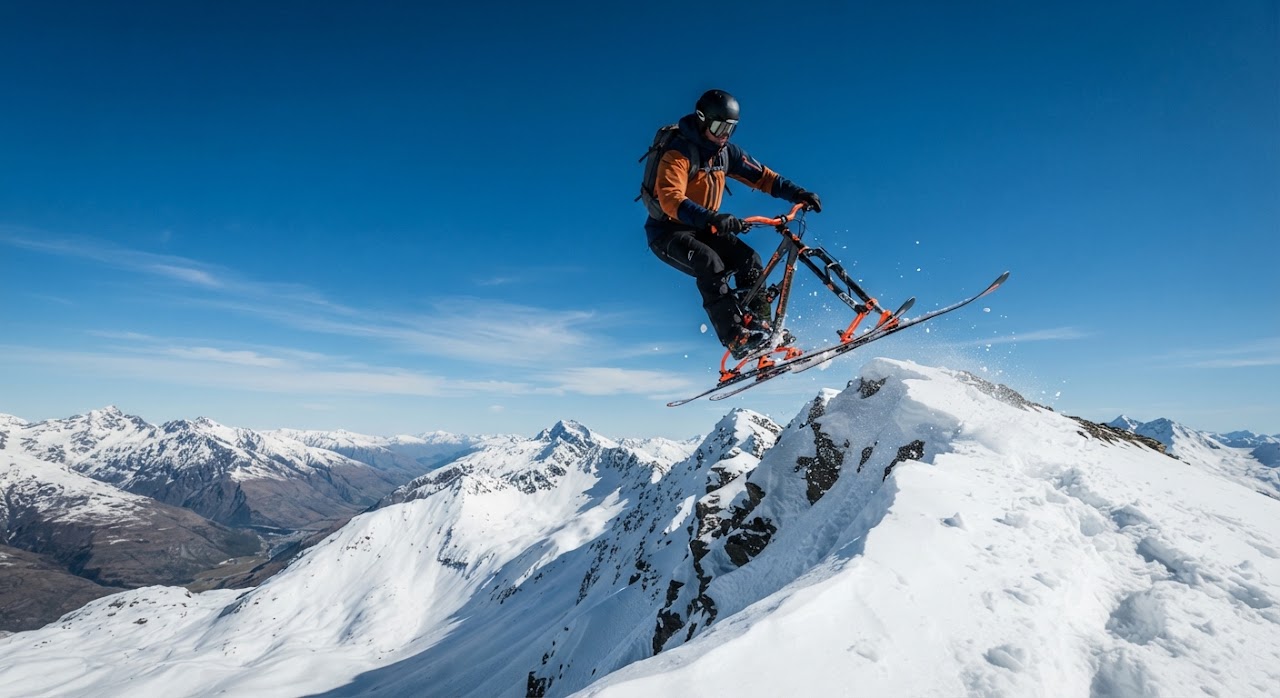
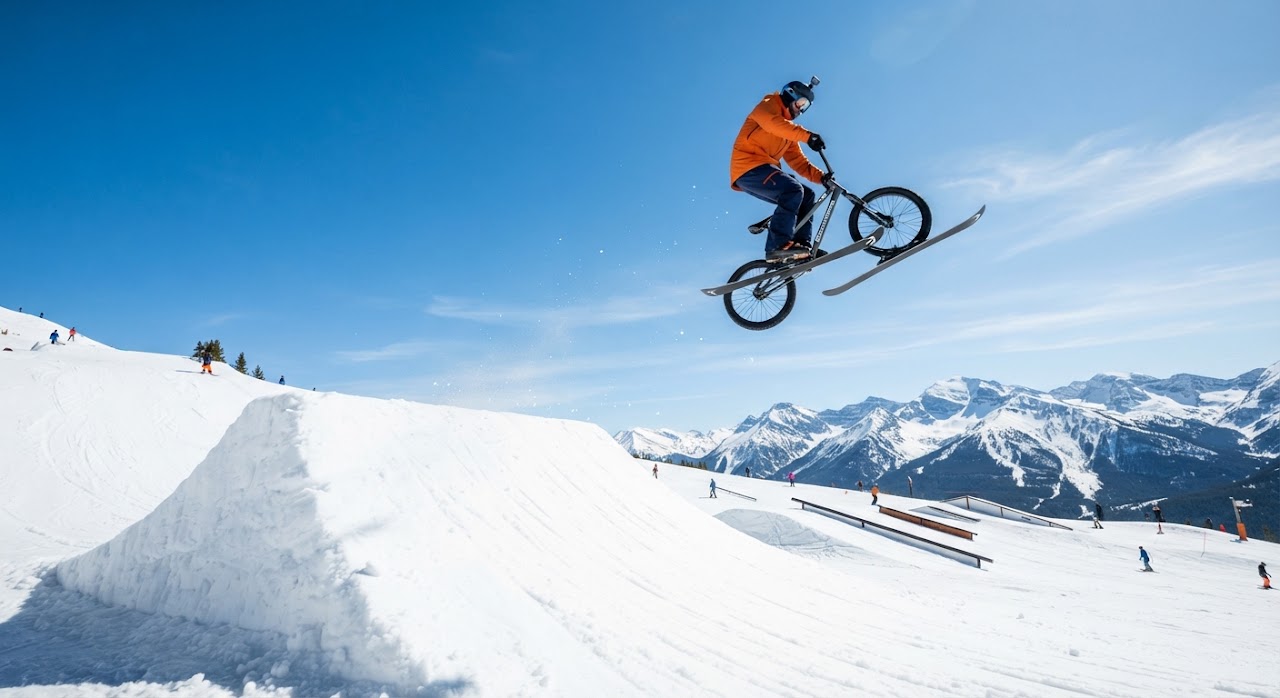
Off-Season Training: MTB Drills for Stronger Winter Descents
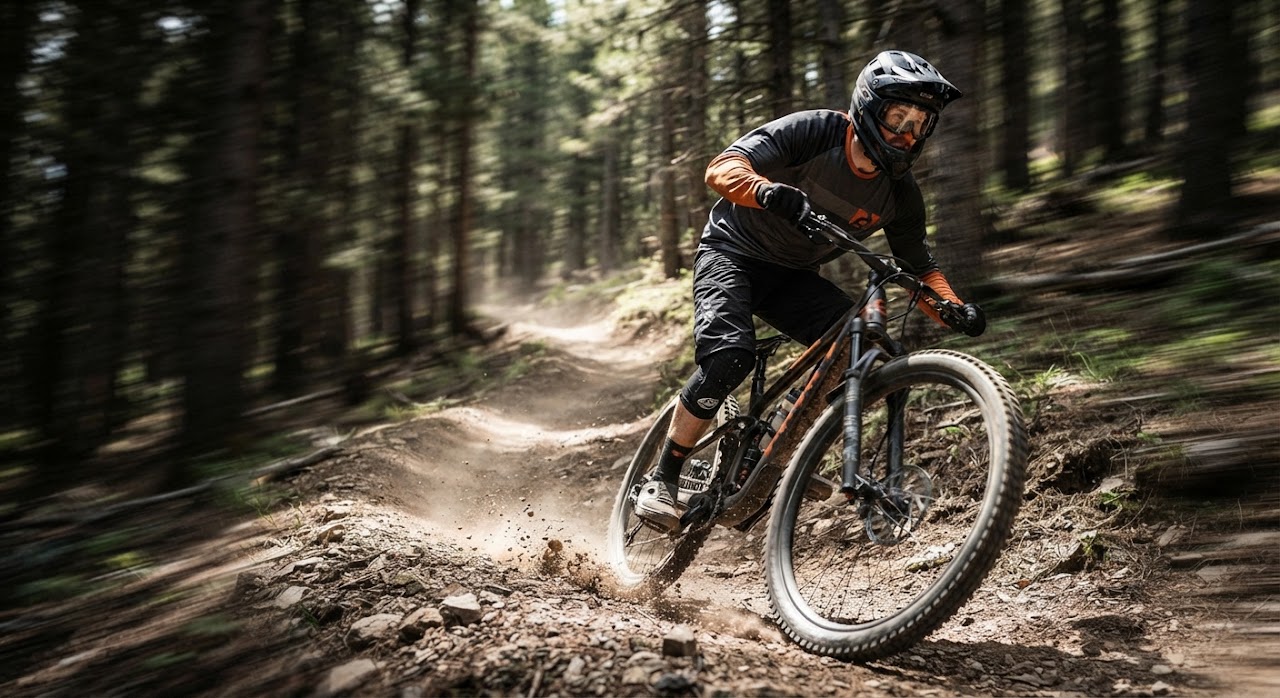
The chairlift closes and the snow melts, but your descending skills don’t have to go dormant. Downhill and enduro mountain biking is the single best off-season training tool for ski bikers because it forces the same split-second decisions, the same braking discipline, and the same core stability you’ll rely on when the powder comes back. If you spend your summer treating the bike park as cross-training instead of just fun, you’ll drop into opening day already fluent in the language of speed.
Why Dirt Skills Transfer to Snow
Ski bikes and mountain bikes both put you low, both steer through a combination of lean and input at the bars, and both punish riders who react late. The terrain is different, but the sensory pipeline — eyes up, weight centered, hands light — is nearly identical. Building that pipeline on dirt, where the consequences of a mistake are usually a scrape instead of a slide into a tree line, is the safer place to fail fast and learn faster.
Cornering Drills That Carry Over
Cornering is where most riders leak the most speed, on dirt or snow. Work these drills on a local flow trail or a quiet parking lot with cones:
- Look-through-the-turn drill: Ride a berm or bermed corner while consciously fixing your eyes on the exit point before you enter. Your bike follows your gaze more than your hands.
- Progressive lean angle: Take the same corner five times, increasing lean angle each pass until you find the edge of traction. This builds the same feel you need to trust an edge on packed snow.
- Brake-before-the-turn drill: Do all your braking before the apex, then release and let the bike run through the corner unweighted. Ski bikes carve better when braking and turning are separated, not blended.
- Figure-eight cone drill: Tight figure-eights at low speed build the fine motor control for quick direction changes in moguls or tree runs.
Line Choice and Reading Terrain
Enduro racing rewards riders who scan three moves ahead instead of reacting to what’s directly under the front wheel. Practice this on dirt by riding unfamiliar trails at a conservative pace and narrating your line choice out loud — where you’ll brake, where you’ll release, where the trail surprises you. That habit of forward-scanning is exactly what keeps a ski biker out of trouble in variable snow, where a hidden ice patch or wind-scoured section can appear with almost no warning.
Body Position Under Load
The athletic stance — elbows out, hips back, weight centered between the wheels — is the same neutral position you want on a ski bike chassis. Spend time on rock gardens and root sections deliberately absorbing impacts with your legs rather than your arms. That leg-driven suspension technique is what lets a ski biker soak up chatter and crud without getting bucked forward over the skis.
Speed control is a skill you bank in the off-season. The rider who can modulate brakes on a steep, loose descent in July will modulate an edge on a steep, icy descent in January.
Fitness and Core Work That Actually Matters
Downhill and enduro riding builds a very specific kind of fitness: short, explosive bursts of full-body tension followed by brief recovery, repeated for an entire run. That’s a near-perfect match for the demands of ski biking. Prioritize:
- Anti-rotation core work (planks, Pallof presses) to resist the twisting forces of a fast turn.
- Eccentric leg strength (step-downs, tempo squats) to control impact absorption on both trail chatter and snow bumps.
- Grip and forearm endurance for holding a braking position through a long, sustained descent.
- Interval-based cardio that mimics the stop-start rhythm of a real run, rather than steady-state distance work alone.
Building a Weekly Off-Season Plan
Two to three focused dirt sessions a week, paired with two strength sessions, is enough to keep your descending instincts sharp without burning out before winter. Rotate emphasis: one week on cornering precision, the next on line choice and terrain reading, the next on raw fitness. Track what feels automatic versus what still requires conscious thought — the goal is to push as much of the skill set as possible into muscle memory before the snow flies again.
Treat every dirt season as paid training for the next winter. The trail doesn’t care whether you’re on two wheels or a ski bike frame — it only rewards riders who’ve already taught their body how to read speed, terrain, and their own limits.