Backcountry Ski Biking: A Practical Guide to the Wild


Backcountry ski biking is where the machine stops being a novelty and becomes a serious mountain tool. Beyond resort boundaries, there are no groomed exits, lift patrols, or convenient repair benches. The bike must move efficiently, the rider must understand winter terrain, and the group must be ready to turn around.
I treat the descent as the smallest part of the day. Route design, avalanche education, weather, access, equipment, and emergency planning decide whether the ride should happen at all. A ski bike can handle wild snow beautifully, but its weight and shape punish casual planning.
Backcountry Ski Biking Is Not Resort Riding
At a resort, a mechanical issue usually means a slow trip to the base. In the backcountry, it can mean carrying a heavy frame through deep snow while daylight disappears. Every choice must account for self-rescue and the time required to move the machine.
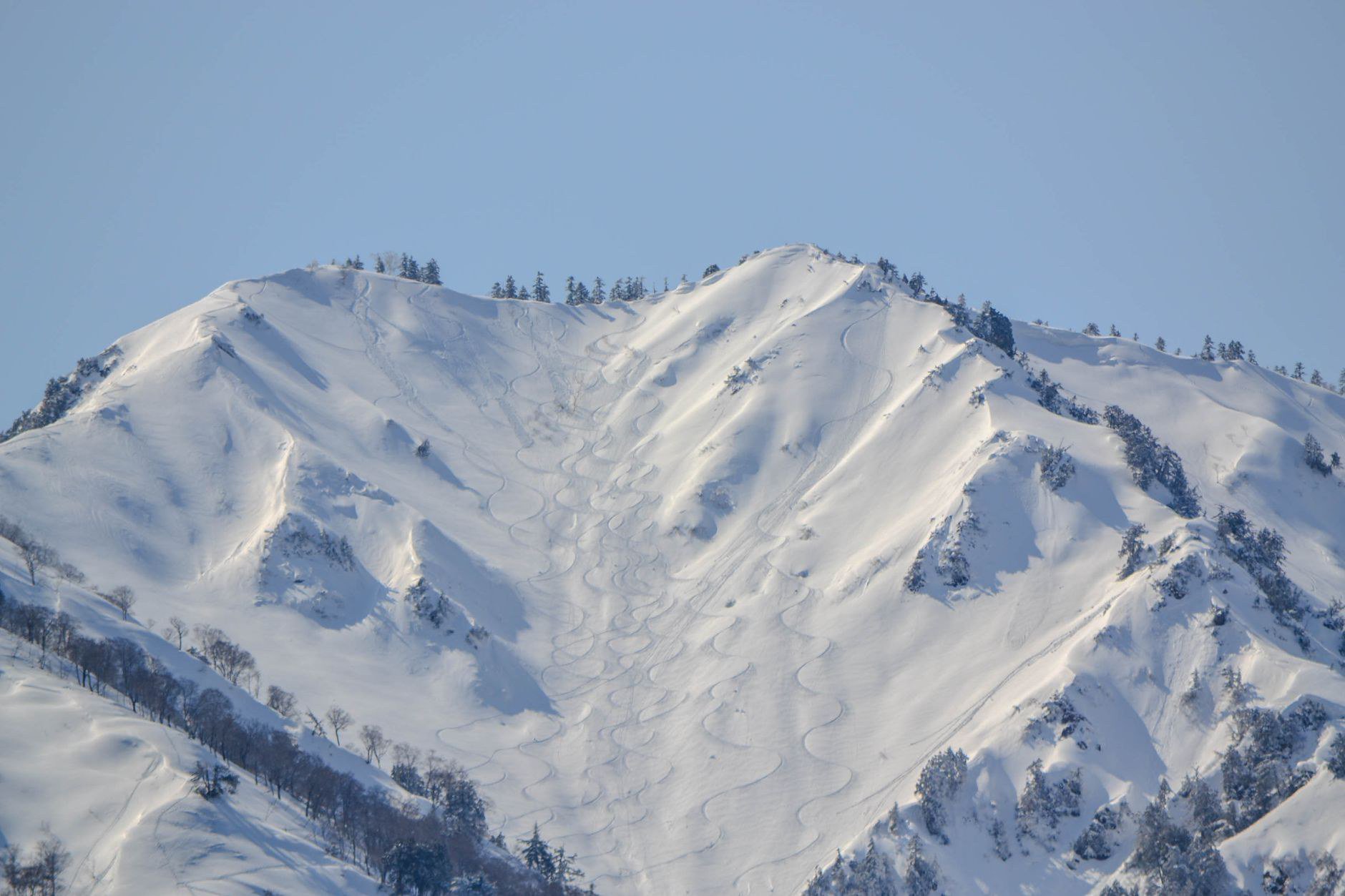
Terrain also becomes more complex. A mellow approach can cross avalanche paths or sit beneath steep overhead slopes. Narrow ridges, sidehills, creek beds, and dense trees may be manageable on skis but difficult with a bike. The route must work in both directions, including when conditions force a retreat.
Before considering remote objectives, understand the machine itself. Riders new to the format should review the basic ski bike layout and controls and spend substantial time on controlled snow.
Start with Formal Avalanche Education

No equipment list replaces avalanche training. Take a recognized course for your region, practice companion rescue, and use the local forecast. Learn to identify start zones, paths, runouts, terrain traps, connected slopes, and overhead exposure.
A ski bike changes movement but not avalanche physics. Strong riding skills do not reduce the chance of triggering unstable snow. The group should choose terrain that fits the forecast and field observations, not terrain that merely looks rideable.
Carry a beacon, probe, and metal shovel for every person. Know how to use them under time pressure. A detailed backcountry checklist helps prevent omissions, but instruction and repeated practice give the equipment value.
Choose a Bike That Can Be Moved, Not Just Ridden
The most capable downhill frame may be a poor backcountry choice. Weight, carrying points, ski width, frame shape, and transition time matter. A machine that catches every branch or cannot be secured to a pack becomes exhausting on the approach.
Some routes allow pushing. Others require carrying or short bootpacks. Test each method close to the trailhead. If the bike shifts, blocks vision, or prevents free use of both hands, fix the system before entering exposed terrain.
Consider a breakdown. Can the ski be detached? Do you carry the correct fasteners and tools? Can the group move the disabled bike without abandoning essential rescue equipment? Answers need to be practical, not optimistic.
Plan Routes Around the Machine’s Weaknesses
I avoid routes with long, steep sidehills unless the bike has already proven manageable there. A ski edge that holds confidently while riding may behave poorly when pushed across a firm slope. Corniced ridges and narrow bootpacks deserve the same caution.
Build the plan around protected transitions. Changing carry systems, tightening hardware, or clearing ice should happen away from overhead hazard. Mark safe regrouping points before the descent and discuss how many riders enter exposed terrain at once.
Timing matters, especially when warming or new weather is expected. Early starts can help, but they do not guarantee stability. Our account of chasing first light in the backcountry shows why efficient preparation begins before dawn.
Dial the Bike Before Leaving Controlled Terrain
Inspect ski mounts, frame junctions, steering hardware, suspension, foot retention, and the carrying system. Cold temperatures can stiffen controls and reveal loose hardware. Ice buildup can prevent a mechanism from closing fully.
Use a neutral suspension tune. Excessive softness may feel comfortable but can pitch the chassis on compressions. Too much damping can reduce traction on variable snow. Record a reliable baseline and make small changes rather than rebuilding the setup at the trailhead.
Boot and binding compatibility deserve special attention. Cold feet, unstable contact, or a release problem can end the day far from help. Review the boot and binding setup guide, then follow the bike manufacturer’s instructions.
Pack for Delay, Not the Perfect Schedule
Carry layers that keep an injured or stationary rider warm. Add navigation, communication, first aid, repair supplies, water, food, and emergency shelter appropriate to the route. Do not sacrifice essential equipment to make space for bike hardware.
A satellite communicator can support remote travel, but only when charged, active, and understood by the group. Leave a trip plan with someone outside the party. Include route options, participants, vehicle details, and an overdue time.
Weight grows quickly. Distribute group gear without separating anyone from personal rescue equipment. Every rider keeps their beacon, probe, and shovel. The strongest person should not become the sole carrier of critical supplies.
Move Efficiently Without Rushing Decisions
Backcountry ski biking often involves more transitions than expected. The bike may move well on a packed approach, then require carrying through trees or over a ridge. Practice changing modes with gloves on and without placing loose parts in the snow.
Efficiency creates decision margin. It does not justify exposure. If the group falls behind schedule, shorten the objective instead of hurrying through terrain that deserves attention.
Spacing must be deliberate. Riders should avoid clustering in avalanche paths or beneath rollovers. On descents, agree on safe islands and maintain communication. A fast rider on a bike can disappear from view quickly.
Ride Variable Snow with Restraint
Backcountry snow rarely behaves like a groomer. Wind board, crust, soft pockets, old tracks, and hidden obstacles can appear in one run. Enter with speed that leaves room to change the line.
Keep the body centered and the hands quiet. Pulling the bar aggressively loads the front ski and creates sudden direction changes. Let pressure build progressively through the feet and chassis. When visibility is poor, slow down before the terrain forces the decision.
Mountain bike experience helps with line choice and rough-surface composure, but the transfer is incomplete. Snow does not provide tire braking or predictable support. Cross-training ideas from mountain biking for winter strength are useful, yet snow-specific practice remains essential.
Choose Partners Who Will Speak Up
A good group discusses risk tolerance, experience, medical concerns, communication, and turnaround triggers before departure. Everyone has authority to stop the plan. The quietest member may notice the clue that the destination-focused group ignores.
Assign roles without creating blind dependence. More than one person should understand navigation, weather, repair options, and emergency procedures. If the group becomes separated, each rider needs enough equipment and knowledge to remain safe.
A strong partner does not merely ride fast. They manage transitions, protect the group from unnecessary exposure, and make conservative decisions when information is incomplete.
Respect Access and Other Backcountry Users
Confirm that ski bikes are allowed on the route and that access does not cross restricted land. Use established winter travel etiquette. Give uphill travelers space, control speed near others, and avoid damaging fragile areas when snow coverage is thin.
The bike attracts attention. That makes responsible behavior visible. Secure the machine during stops, prevent runaway equipment, and keep noise low around trailheads and wildlife habitat.
General athletic preparation resources such as Lakeland FC can support fitness planning, but local land rules and winter travel guidance should direct the trip.
Turn Around Before the Problem Becomes Obvious
I turn around when observations conflict with the forecast, the bike becomes difficult to control on the approach, key equipment fails, visibility collapses, or the group loses time and focus. None of those decisions require proof that disaster would occur.
The heavy machine amplifies commitment. Riders may continue because carrying it back feels frustrating. Name that pressure early. A difficult retreat now is better than a rescue later.
The Wild Rewards Preparation
Backcountry ski biking delivers a rare combination of exploration, technical riding, and winter silence. It also removes the safety net that makes resort experimentation forgiving. The best days come from plans with margin, equipment that has been tested, and partners willing to change objectives.
Build experience gradually. Start with short routes in simple terrain, train with qualified professionals, and treat every outing as a chance to improve the system. The descent will feel better when it is earned through sound decisions rather than luck.