Layering System Review: Staying Warm on Long Descents
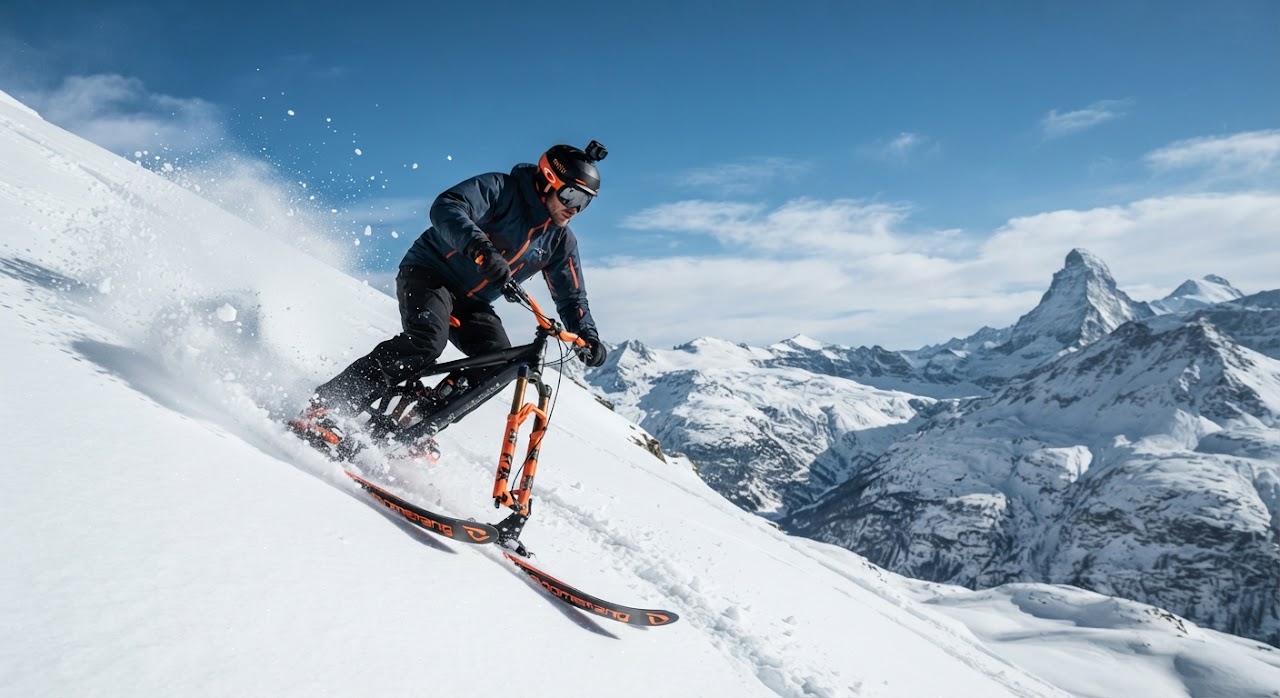
Ski biking has a dirty secret: the climbs will soak you in sweat and the descents will freeze that sweat right onto your skin if your layering system can’t keep up. We’ve spent this season testing base, mid, and shell combinations across long backcountry descents and grinding lift-served laps, and the pattern is clear — most riders are over-layering for the climb and under-layering for the descent. Here’s the system that actually works.
Base Layers: Manage Moisture Before It Becomes a Problem
Your base layer’s only job is moving sweat off your skin before it has a chance to chill you. Synthetic base layers wick fast and dry quickly, which matters enormously on a long climbing approach where you’re generating serious heat. Merino wool, by contrast, moves moisture more slowly but regulates temperature better and resists odor over multi-day trips — a real advantage if you’re touring for more than a single day.
Weight matters just as much as material. A lightweight base layer is the right call for high-output climbing days, while a midweight option makes more sense if your ride is mostly descent-heavy with less sustained aerobic effort.
- Pros of synthetic base layers: Fast drying, lower cost, holds up well to frequent washing
- Cons of synthetic base layers: Retains odor faster, less effective temperature buffering in the cold
- Pros of merino base layers: Superior temperature regulation, naturally odor-resistant, comfortable next to skin
- Cons of merino base layers: Higher price, dries slower, more delicate in the wash
Mid Layers: The Adjustable Heart of the System
The mid layer is where most of your temperature control actually happens, which is exactly why it should be the easiest piece to add or shed. A breathable fleece or lightweight synthetic insulation piece works well for active climbing, since it dumps heat efficiently once you start working hard. Save heavier insulation — down or synthetic puffy fill — for descents, lift lines, or breaks, when your output drops and the wind chill spikes.
In our editorial opinion, the biggest mistake riders make is committing to one mid layer for the entire outing. A long descent-heavy day almost always calls for at least one mid-layer swap, and packing a compressible insulated piece specifically for summits and long stops pays off every time.
Shell Layers: Your Line of Defense on the Way Down
A shell layer needs to do two contradictory things well: block wind and moisture on a fast descent, while still breathing enough that you’re not stewing in your own sweat on the way up. Hardshells with genuine waterproof-breathable membranes handle wet snow and wind cut far better than a basic softshell, but they’re less forgiving on a hard climb unless the pit zips and vents are generous and easy to reach mid-ride.
Softshells breathe noticeably better on the climb and move more naturally with pedaling motion, but they concede real weather protection once you’re descending fast through wind and spindrift. We’d call this the single biggest tradeoff in the entire layering system, full stop.
Climb in a shell you can vent in seconds, descend in one you can seal up just as fast — the transition speed between the two states matters more than either state alone.
Managing the Climb-to-Descent Transition
The moment you crest a climb is exactly when hypothermia risk spikes: you’re soaked in sweat, your output drops to near zero, and wind exposure increases as you pick up speed downhill. Building in a deliberate summit routine — vent down, swap in a warm mid layer, seal the shell — takes less than a minute and prevents the chill that otherwise follows you for the entire descent.
Our Recommended System
- Base: Lightweight synthetic for high-output days, merino for multi-day or variable-effort tours
- Mid: Breathable fleece for climbing, packable insulated piece stashed for summits and stops
- Shell: Waterproof-breathable hardshell with full-length vents, reserved primarily for the descent
No single layer solves long descents on its own — the system only works when each piece has a clearly defined job and you’re willing to actually adjust it mid-ride instead of leaving everything zipped up from the parking lot to the final descent. Get the transitions right, and staying warm stops being a constant fight and starts being background noise.